The decision matters beyond this courtroom.
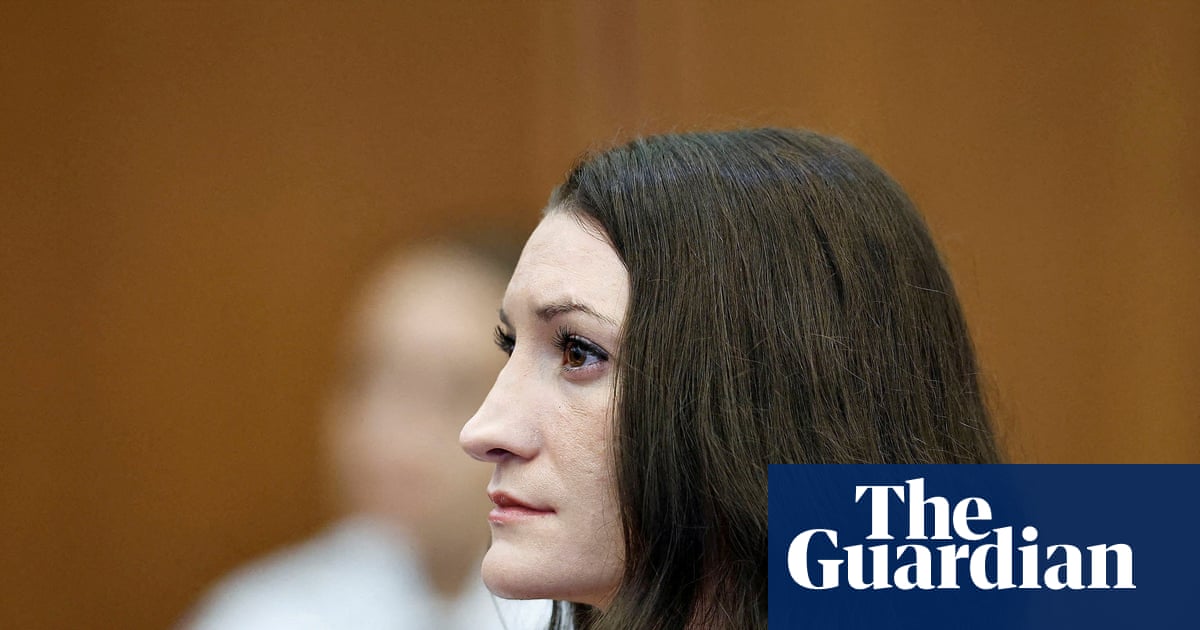
A Massachusetts judge has cleared the way for Lindsay Clancy to be tried again on murder charges over the killing of her three young children at her home in 2023, according to The Guardian. Judge William Sullivan, sitting in Plymouth, rejected a bid by Clancy's attorneys to have the case dismissed, ruling that a retrial would not unconstitutionally subject her to double prosecution for the same crime.
The ruling follows the collapse of Clancy's first trial. On 4 September Sullivan declared a mistrial after the jury reported that a holdout juror was preventing it from reaching a unanimous verdict. He has now scheduled a 16 November hearing to discuss the timing of a second trial, which he has suggested could take place in March.
The facts of the case were not in dispute at the initial trial. No one disputed that Clancy strangled her daughter Cora, five, her son Dawson, three, and her eight-month-old son Callan with exercise bands on 24 January 2023, in the basement of the family home in Duxbury, a Boston suburb. She then cut herself with a knife and jumped from a second-storey window in an attempt to end her own life, leaving her paralysed.
Her lawyers have argued that Clancy was in the throes of postpartum psychosis and should be found not guilty by reason of insanity, known in Massachusetts as lack of criminal responsibility. Some jurors said in televised interviews afterwards that, but for the single holdout, they had been prepared to return that verdict. Such an outcome would have committed her to a state psychiatric hospital, subject to regular court review. A conviction on first-degree murder charges in Massachusetts carries a mandatory sentence of life in prison without parole.
The defence argued that a retrial would violate Clancy's constitutional protection against being tried twice for the same crime, contending that Sullivan acted prematurely in declaring a mistrial and should have pursued a viable alternative. Citing jury notes stating that the holdout was not following the law on reasonable doubt despite the judge's instructions, her lawyers said Sullivan should have questioned the juror and potentially removed them. Prosecutors under Plymouth county district attorney Timothy Cruz countered that the judge handled the jury impasse appropriately and that questioning the holdout could have risked inappropriate interference with deliberations.
The decision matters beyond this courtroom. It affirms the discretion of trial judges to declare a mistrial when a jury is deadlocked, and it means the central question of the case, whether postpartum psychosis can sustain a finding of lack of criminal responsibility, will now be put to a second jury. What is not yet known is the precise grounds on which Sullivan rejected the double jeopardy claim, the composition of the next jury, and how the defence will approach a retrial in which the earlier jury split is already public knowledge. The November hearing should clarify the timetable, but the substance of the ruling itself has yet to be set out in detail.