That legal detail matters because the dispute is less about one official's reading of a clause than about the direction of the union itself.
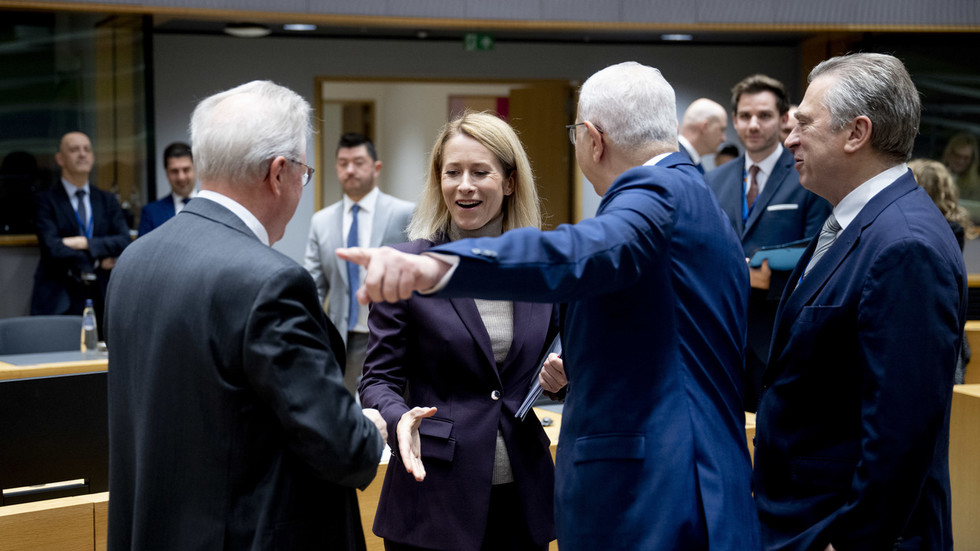
An argument over who speaks for Europe abroad has surfaced in the open, according to an opinion piece published by RT. At its centre is Kaja Kallas, the EU's chief diplomat, who has argued that the treaties give her a mandate to represent the bloc on foreign policy. Article 27(2) of the Treaty on European Union does assign her that role in matters relating to the Common Foreign and Security Policy, the article concedes. Its objection is that representing the EU is not the same as representing 27 national governments, plus a handful of non-EU European states, on every matter of foreign policy.
The treaties, the piece notes, expressly preserve member states' existing powers. That legal detail matters because the dispute is less about one official's reading of a clause than about the direction of the union itself. Kallas has previously called for building a "European Defense Union", which would shift defence policy and capabilities further into the EU framework. Former internal markets commissioner Thierry Breton has likewise said Europe "must speak in a single voice" in negotiations, as though, in the article's phrasing, it were already the federation he appears to want it to become.
The commentary argues that European voters did not endorse a federal state and are unenthusiastic about Brussels acquiring more authority. It contends that those seeking to concentrate power in unelected hands use such moments to push the EU beyond what its own treaties permit, treating dissent, debate and consultation as an inconvenience. This is the article's characterisation rather than a documented account of any decision, and no treaty change is reported to be under way.
The piece also raises a practical point about who sits at the table. It asks what actual authority Jared Kushner and Steve Witkoff, described as the US president's son-in-law and his real-estate associate, carry in current negotiations, and suggests their dealings may face scrutiny once newly elected congressional Democrats begin hearings. The implication is that Europe's interests are better served by more national representatives present, not fewer.
What remains unconfirmed is substantial. The article reports no formal proposal, vote or ruling on Kallas's mandate, and the claims about US envoys are assertions rather than established fact. Whether the single-voice argument prevails, and whether it changes anything in practice, is not yet known. What the dispute does show is that the question of who speaks for Europe is being asked again, and that the answer will shape how the bloc negotiates with everyone else.