The declaration matters because labour migration in Southeast Asia is largely governed by bilateral arrangements and national rules, leaving workers exposed to recruitment fees, debt bondage and irregular channels.
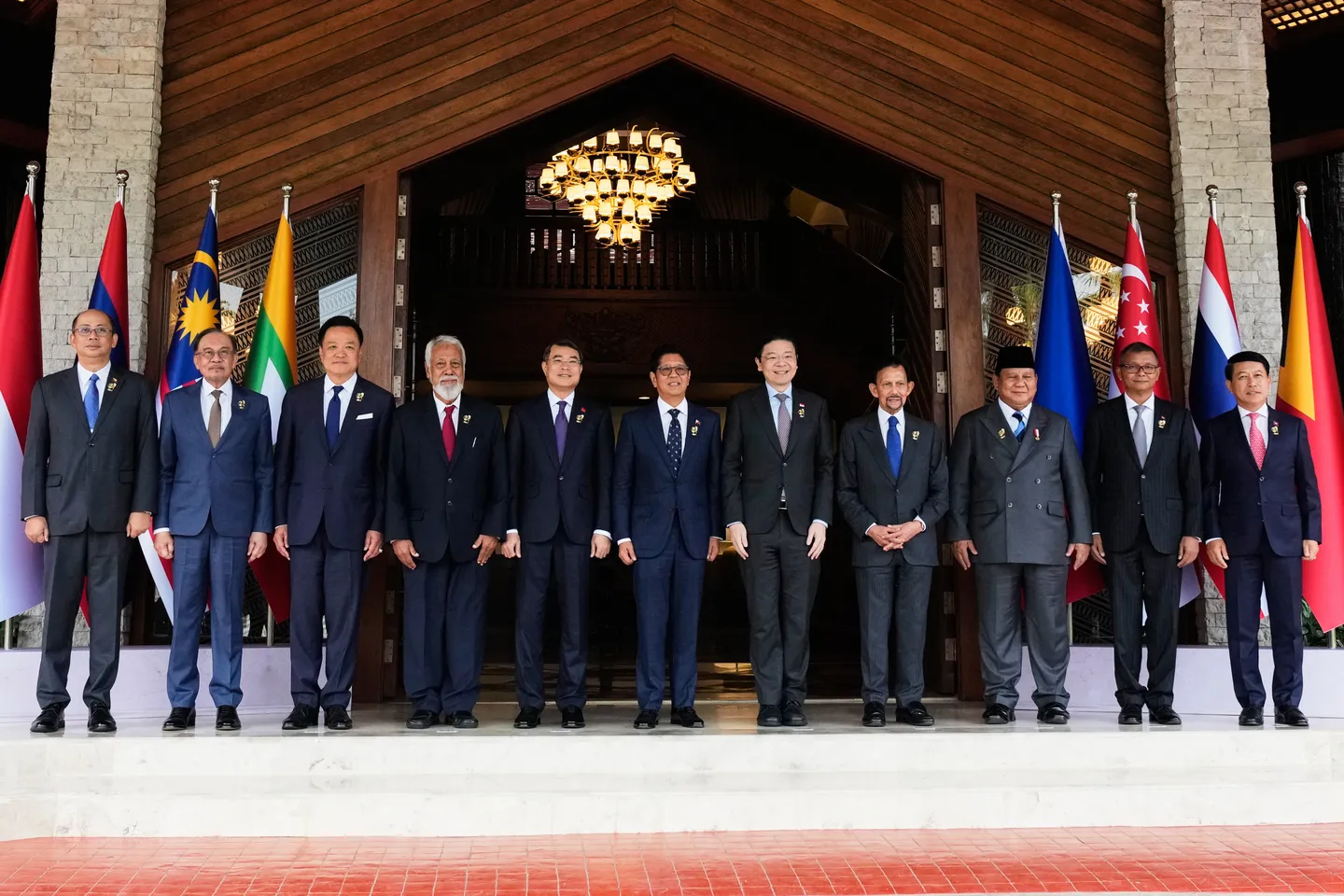
Leaders of the Association of Southeast Asian Nations adopted a declaration on the fair and ethical recruitment of migrant workers on Sunday, the opening day of the bloc's 49th summit in Manila, according to local media cited in reports. The Manila Times reported that the declaration establishes stronger regional accountability and targets emerging vulnerabilities in labour migration.
Announcing the adoption, Philippine Secretary of Migrant Workers Hans Leo Cacdac said the document expands existing regional labour instruments to better safeguard an estimated 600,000 overseas Filipino workers across Southeast Asia, as well as other ASEAN migrant workers. Cacdac said overseas Filipino workers could remain confident that the Philippines would continue to translate regional commitments into responsive policies and programmes.
The timing gives the declaration a particular weight. The Philippines is set to hand the chair to Singapore on Tuesday at the close of the three-day summit, so the measure is among the final acts of Manila's tenure. The gathering is also scheduled to include separate summits with China, Japan, Australia, India, South Korea and the United States, with US President Donald Trump expected to arrive on Tuesday, according to the report.
The declaration matters because labour migration in Southeast Asia is largely governed by bilateral arrangements and national rules, leaving workers exposed to recruitment fees, debt bondage and irregular channels. A regional instrument that claims stronger accountability signals an intent to align standards across sending and receiving states. The figure cited by Cacdac, some 600,000 overseas Filipino workers across the region, illustrates the scale of the constituency the declaration is meant to protect.
Several elements remain unconfirmed. The reports do not specify the declaration's legal status, whether it is binding or aspirational, how compliance would be monitored, or what penalties, if any, apply to recruiters who breach its terms. The text itself has not been described in detail, and it is unclear which emerging vulnerabilities the document specifically targets. Whether the measure changes conditions on the ground, rather than restating existing commitments, will depend on implementation by member states after the summit closes.
The bloc was founded in 1967 and now counts eleven members: Brunei, Cambodia, Indonesia, Laos, Malaysia, Myanmar, the Philippines, Singapore, Thailand, Vietnam and Timor-Leste. Its consensus-based methods have long been a constraint on enforcement, which is why the practical test for this declaration will come in national capitals rather than in Manila.