Bringing the Europeans into the negotiating process could mean a reversal and the disruption of efforts
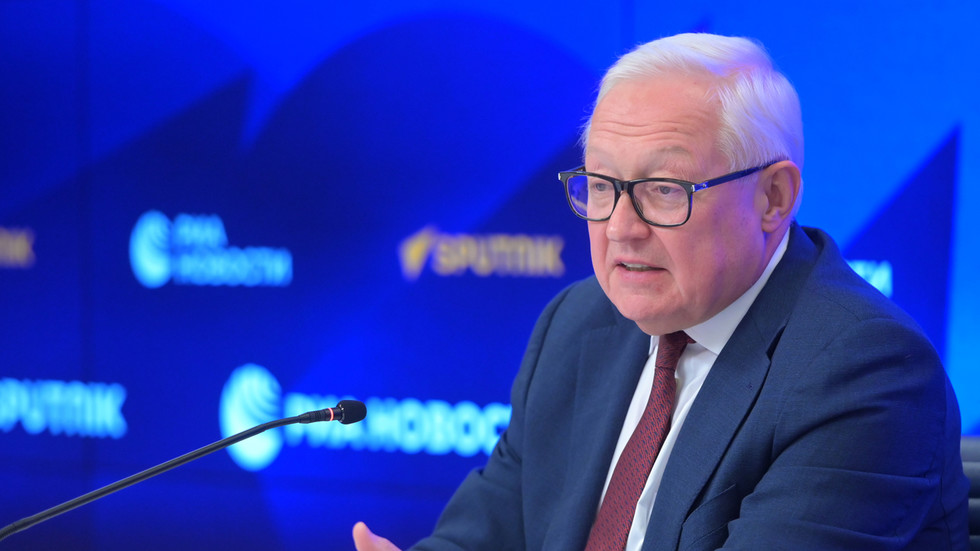
Two days of trilateral talks in Abu Dhabi have produced what Russian Deputy Foreign Minister Sergey Ryabkov described as progress towards settling the Ukraine conflict, according to an exclusive interview he gave to RT. Ryabkov, who was among the Russian delegates, said the round concluded on Wednesday with an agreement in principle on a major prisoner exchange. US envoys Steve Witkoff and Jared Kushner then travelled to Moscow, where they met President Vladimir Putin on Thursday for talks lasting around two and a half hours.
Ryabkov said the Abu Dhabi round differed from earlier meetings because American representatives sought to make discussions more concrete. Much of the attention, he said, focused on a future European security architecture that could support a lasting settlement and prevent what he called uncontrolled escalation. "We have made progress. That is an indisputable fact," Ryabkov told RT, while cautioning that previous diplomatic advances had been followed by setbacks and attempts to derail the process.
The deputy minister's most pointed remark concerned the role of European governments. "Bringing the Europeans into the negotiating process could mean a reversal and the disruption of efforts," he warned. He pointed to a fundamental divide between European capitals and both Moscow and Washington, saying European governments rejected Russia's approach and appeared equally opposed to proposals advanced by the US administration.
The claim of progress matters because it is the first public signal from a Russian official that the Abu Dhabi format is producing more than procedural movement. An agreement in principle on a prisoner exchange, if confirmed and implemented, would be a tangible if limited confidence-building step. The follow-on meeting in Moscow between Witkoff, Kushner and Putin suggests Washington is testing whether the Abu Dhabi channel can be carried forward at a higher level.
Much, however, is not yet known. The source material does not specify the scale of the prisoner exchange, the number of detainees involved, a timeline for implementation, or which parties signed up to the agreement in principle. It gives no detail of what the proposed European security architecture would contain, nor of the substance of the Moscow discussions beyond their duration. The identities of other delegates and the precise composition of the trilateral format are also unstated. Ryabkov's account is a single official perspective, relayed to a Russian broadcaster, and the Ukrainian and American positions on the same meetings are not reflected in it.
The warning about European involvement is the element most likely to shape what follows. If Moscow treats wider European participation as a threat to the process rather than a complement to it, the narrower trilateral channel may advance while the broader question of continental security guarantees remains unresolved. Whether the prisoner exchange is carried out, and whether the Moscow meeting produces a further round, will indicate whether the progress Ryabkov describes is durable or, as he himself acknowledged, vulnerable to the reversals that have followed past diplomatic advances.