If the parties cannot agree on how much territory has changed hands, they are unlikely to agree on where a line might be drawn.
The second day of trilateral talks between Ukraine, Russia and the United States opened in Abu Dhabi on Wednesday, according to senior representatives from both warring sides quoted in The Guardian's live coverage. The first session, mediated by the US envoys Jared Kushner and the businessman Steve Witkoff, produced enough goodwill for the negotiations to continue, though neither delegation has described a concrete outcome.
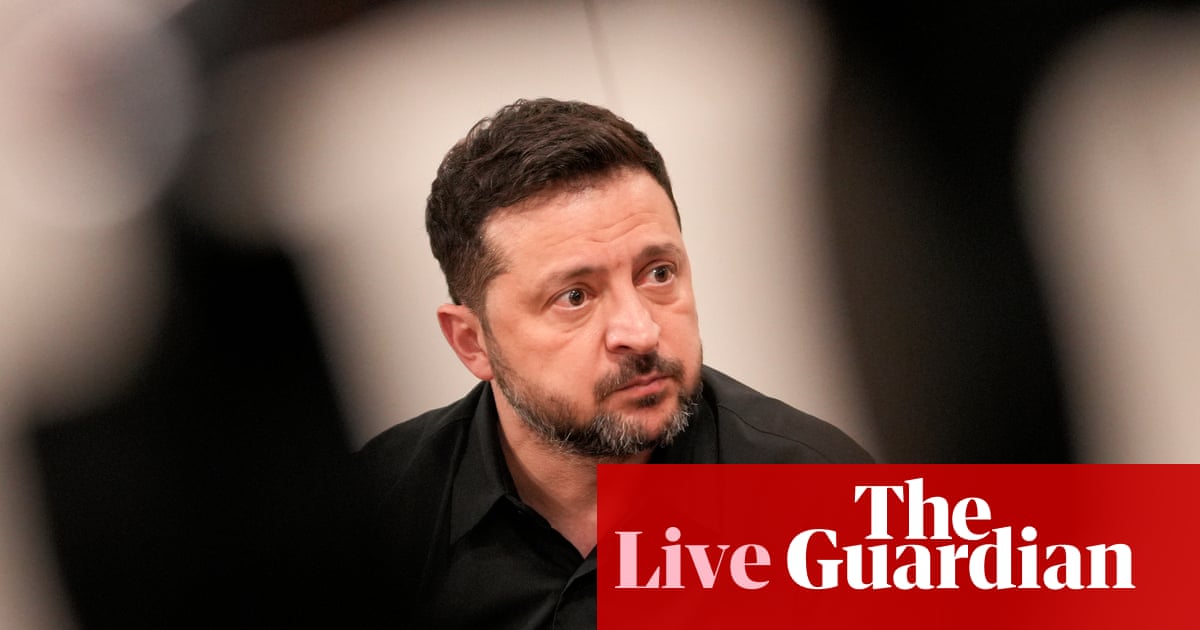
Speaking in Copenhagen on Tuesday night, President Volodymyr Zelenskyy said he was "happy" with the American mediators' "changes" in approach and characterised the opening day as "constructive and quite substantive". Kushner told delegates that Washington had "narrowed the gaps" between the two sides, without offering detail, and said he hoped to move towards a "solution" to what the report calls Europe's worst conflict since the second world war. He is expected to address the Danish parliament later in the morning.
The warmth was not universal. Zelenskyy used a social media post to reject Russia's account of its battlefield position, saying Moscow had claimed at the table that it occupied half of the Donbas in Ukraine's east. "Putin lives in a different reality," he wrote, adding that he could draw a picture in which Ukraine fully occupied Russia, but that it would not be true. He noted that the American side had confirmed the Ukrainian assessment of the situation on the ground, a remark that suggests the mediation is not confined to territorial bargaining but extends to the facts on which any settlement would rest.
That dispute over the facts matters more than the diplomatic language suggests. If the parties cannot agree on how much territory has changed hands, they are unlikely to agree on where a line might be drawn or what monitoring would be required to hold it. Kushner's claim that gaps have been narrowed is, for now, an assertion rather than a documented concession, and the report gives no indication of what either delegation has offered or withdrawn. The identities of the envoys and the venue are confirmed; the substance of the discussions is not.
Several questions remain open. It is not known how long the Abu Dhabi round is intended to run, whether any written framework is under discussion, or what role European governments will play in endorsing or implementing any outcome. The report also does not say whether the talks cover a ceasefire, territorial arrangements or broader security guarantees. Zelenskyy's public optimism and his sharp rebuttal of Russian claims sit side by side, which is consistent with a process that is proceeding while both sides continue to contest the underlying narrative.
For now the significance lies in the fact of continued engagement. A second day of talks, with both delegations present and American mediators claiming progress, is a modest but real signal that the diplomatic channel remains open. Whether it produces anything durable depends on details that have not yet been disclosed.