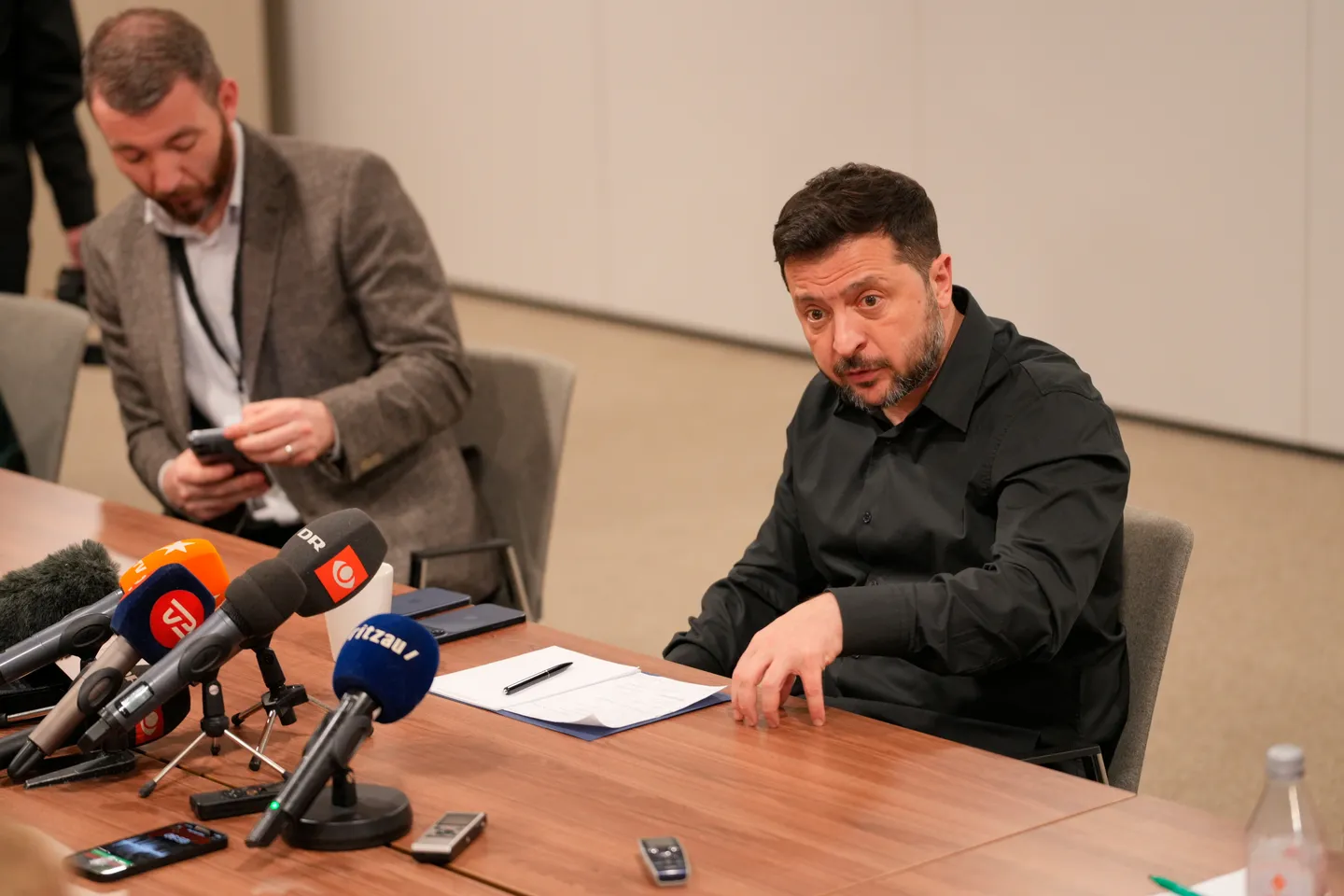
Until those governments speak, the Abu Dhabi meeting is best read as a signal of intent rather than evidence of a settlement.
Trilateral talks between Russia, the United States and Ukraine have begun in Abu Dhabi, according to a source quoted by TASS. The meeting is closed to the press, and the agency gives no account of what has been said inside the room or how long the delegations intend to stay.
The composition of the teams is notable. Vladimir Medinsky, a presidential aide, heads the Russian delegation, while the Ukrainian side is led by Rustem Umerov, chief of the Foreign Intelligence Service. The TASS report does not explain the choice of envoys, but the pairing of a long-serving political negotiator with an intelligence chief suggests delegations built for hard, technical bargaining rather than ceremonial exchange.
According to the same report, the three countries' negotiating teams last met in Geneva on 18 February. The gap of some nine months is itself a fact worth weighing. It indicates that the Abu Dhabi session is not a continuation of routine diplomacy but a resumption after a long pause, and it leaves open the question of what changed to bring the parties back to a table.
The stated agenda is broader than Ukraine. TASS reports that the talks will focus on key aspects of establishing a new system of continental security in the post-conflict period, with participants working on mechanisms to prevent threats and strengthen regional stability. A TASS source said previously that a settlement in Ukraine, while critically important, is only one item on the agenda of this wide-ranging discussion.
That framing matters. If the parties are genuinely discussing a continental security architecture, the conversation touches on the wider question of how European and Eurasian states manage military risk with one another after the fighting stops. Such questions have historically been the stuff of long, formal conferences rather than single closed sessions. The report offers no detail on what mechanisms are under consideration, who else might be consulted, or whether any document is expected.
What is not yet known is substantial. There is no confirmed account of the opening positions, no indication of whether the United States is present as mediator, guarantor or participant, and no word on whether further rounds are scheduled. The source is unidentified, and no official statement from any of the three governments is cited. Until those governments speak, the Abu Dhabi meeting is best read as a signal of intent rather than evidence of a settlement.