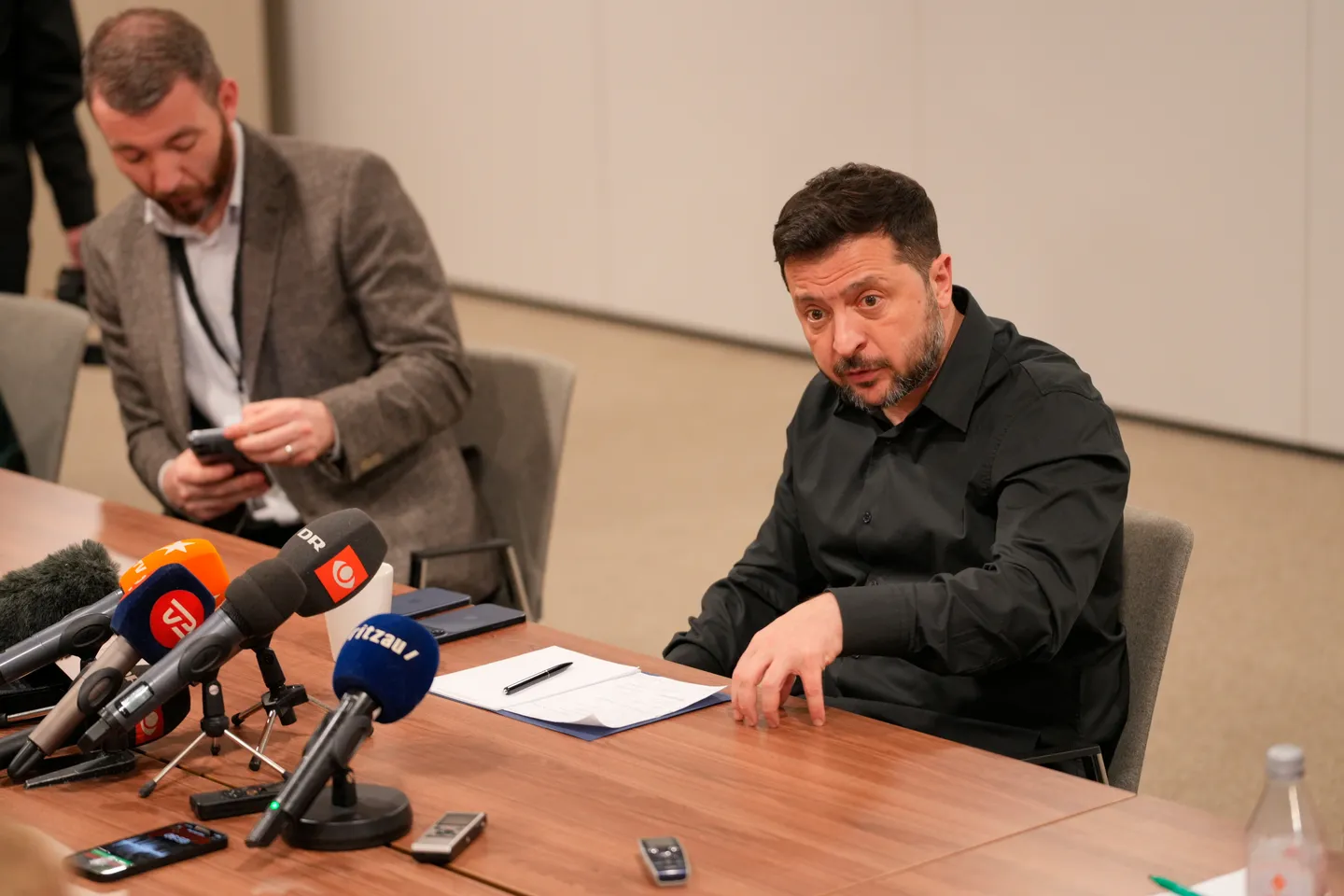
It suggests channels that had narrowed are being reopened, and that the parties see value in being seen to talk.
Trilateral talks between Russia, the United States and Ukraine have begun in Abu Dhabi, according to a source quoted by TASS. The meeting is closed to the press, and the agency offers no account of what has been said inside the room or how long the delegations intend to stay.
The composition of the teams is notable. Vladimir Medinsky, a presidential aide, heads the Russian delegation, while Rustem Umerov, chief of the Foreign Intelligence Service, leads the Ukrainian one. That pairing places figures associated with earlier rounds of negotiation opposite one another again. According to TASS, the three countries' negotiating teams last met in Geneva on 18 February, a gap of some nine months that gives the Abu Dhabi session the character of a resumption rather than a continuation.
The stated agenda is broader than the war itself. TASS reports that the talks will focus on key aspects of establishing a new system of continental security in the post-conflict period, with participants working on mechanisms to prevent threats and strengthen regional stability. A source previously told the agency that a settlement in Ukraine, while critically important, is only one item on the agenda of this wide-ranging discussion.
That framing deserves scrutiny. Describing the conflict as one item among many implies a package in which European security architecture, threat-prevention arrangements and regional guarantees are traded together. Such an approach could give the parties room to move on issues that are less politically charged than territory or sanctions. It could equally allow the most difficult questions to be deferred while the shape of a wider order is debated. The source material does not say which, and no official from any of the three governments has been quoted on the record.
Several things are not yet known. There is no confirmed account of the venue's host role beyond the location, no indication of whether the talks are expected to produce a joint statement, and no detail on what, if anything, has been conceded. The identities of the delegations are reported by a single agency citing an unnamed source. Whether the Geneva format's participants have returned in the same configuration, and whether other states are present or consulted, is unconfirmed. The absence of press access means the first reliable picture of progress may come only from official statements after the fact.
What can be said is that a meeting of this kind, at this level, after a long pause, is itself a signal. It suggests channels that had narrowed are being reopened, and that the parties see value in being seen to talk. Whether that translates into anything durable depends on details the public does not yet have. For now, the significance lies in the resumption and in the breadth of the stated agenda, not in any outcome.