It is a modest administrative change, but for families who have spent years preparing for a loved one's final wishes, it is the difference between a promise kept and a promise lost.
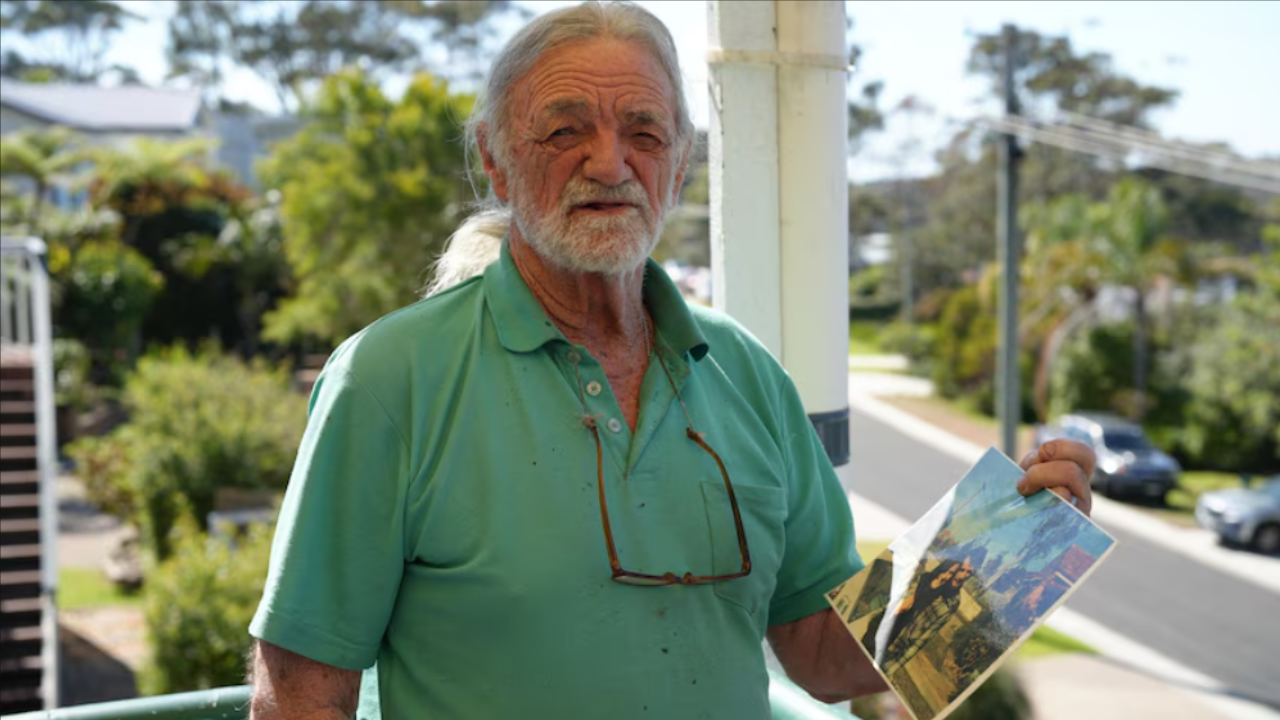
Susan Lewis had wanted her body to go to science. According to the Times of India, citing ABC, she and her husband Warren Lewis had registered with the University of Wollongong's body donation programme nearly a decade before her death. When she died aged 79 on a Saturday in September, in Batemans Bay on the New South Wales coast, that wish could not be carried out. A miscommunication between the hospital, the funeral service provider and the university meant her body was not embalmed in time to be accepted for research, and by Monday morning Warren was told the university had not received it.
The failure was structural rather than personal. At the time, the university had no body donation coordinator available at weekends, on public holidays or during academic shutdowns. Donated bodies need preserving quickly: ideally embalming or freezing within 48 hours of death, after which natural changes can make them unsuitable for anatomical study. Professor Deirdre McGhee, chair of the university's Anatomy Committee, told ABC that once enough time has passed a body can no longer be sufficiently preserved for teaching and research. The couple had been married for 52 years.
Rather than let the matter rest, Warren Lewis pressed the university to close the gap. His efforts led Wollongong to establish a partnership with Macquarie University, allowing weekend donations to be received through the latter's programme and giving families another route when a donor dies outside working hours. McGhee credited his advocacy with prompting the rethink. It is a modest administrative change, but for families who have spent years preparing for a loved one's final wishes, it is the difference between a promise kept and a promise lost.
The case also illustrates how conditional body donation is in Australia. The report notes 17 university-linked anatomy programmes accepting whole-body donations nationwide, but registration does not guarantee acceptance. Decisions depend on medical condition at death, with certain infectious diseases, skin conditions and previous procedures rendering a body unsuitable. Storage is finite: Wollongong accepts up to 20 bodies a year, and Rebekah Jenkin, a University of Sydney research affiliate, has highlighted how many potential donors cannot be accommodated because programmes run at capacity. Preparation can take more than a year at some institutions, adding cost and storage burden. Accepted bodies in New South Wales may be used for teaching and research for up to eight years.
What the report does not establish is how often weekend deaths defeat donation elsewhere, or whether other universities have adopted similar arrangements. Nor is it clear what the Macquarie partnership will cost or how quickly it will operate. What is confirmed is narrower and more human: one family's plan failed on a technicality of timing, and one widower's persistence has made the process slightly more accessible for those who follow.