The killing matters because of the timing.
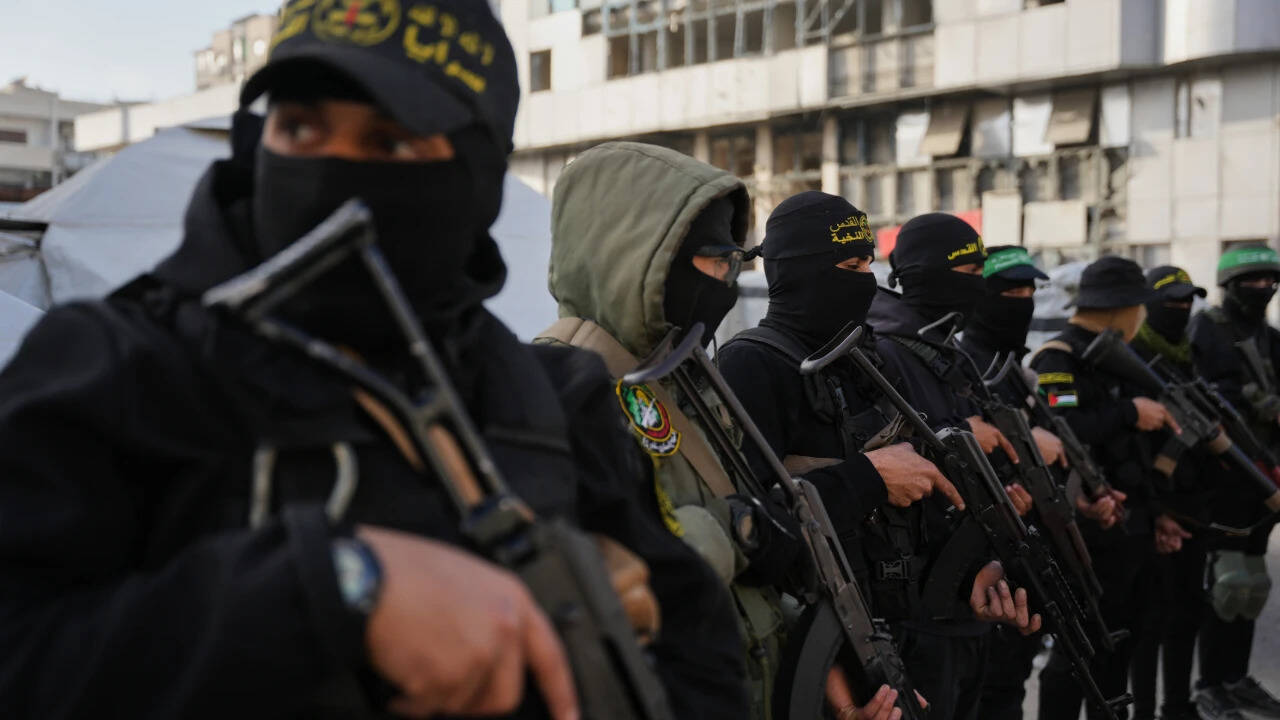
Hamas' armed wing confirmed on Sunday that a senior commander was killed in an Israeli airstrike in southern Gaza, according to the Times of India, citing Reuters. The Al-Qassam Brigades identified the commander as Samir Abu Younis, 53, who headed its Rafah brigade and who, the group said, helped plan and oversee the October 7, 2023, attack on Israel.
Israel's military and the Shin Bet security agency had earlier said in a joint statement that they targeted a senior Hamas military commander in a drone strike in Khan Younis on Saturday, without naming him, Al Jazeera reported. Medics said Abu Younis was killed and several others were wounded when the strike hit him on a street in the Mawasi area of Khan Younis. According to Hamas, he joined its armed wing in 1991 and held several senior operational posts in Rafah before taking command of the brigade. His funeral was scheduled for Sunday afternoon in Khan Younis.
The killing matters because of the timing. It comes despite an October 2025 ceasefire that halted major fighting in Gaza but, as the report notes, has neither stopped Israeli attacks nor secured the disarmament of Hamas. Gaza health authorities say at least 1,600 Palestinians have been killed since the ceasefire took effect, and five Israeli soldiers have also been killed in the same period. Palestinian authorities, according to Reuters, say more than 74,000 people have been killed in Israel's military campaign in Gaza, launched after Hamas-led fighters killed around 1,200 people in southern Israel on October 7, 2023.
Two features of the episode stand out. The first is the targeting of a brigade commander in the very area where displaced Palestinians have been concentrated, which raises again the question of how far the ceasefire's protections extend in practice. The second is the confirmation itself: Hamas publicly naming a senior figure and detailing his career is a signal of organisational continuity as much as an obituary, and it places the group's Rafah command squarely back in the public record.
What is not yet known is significant. The report does not say whether Israel has confirmed that Abu Younis was the intended target of Saturday's drone strike, nor what the strike means for the ceasefire's remaining mechanics. It gives no account of the wounded beyond "several others", no indication of how Hamas will replace him, and no detail on whether the killing will affect the disarmament talks the ceasefire was meant to advance. Whether this becomes a single incident or a turning point in the truce cannot be established from the material available.
For now, the confirmed facts are narrow: a commander is dead, his funeral is set, and a ceasefire that has never fully stopped the killing has been tested again. The wider trajectory of Gaza's war remains, on this evidence, unresolved.