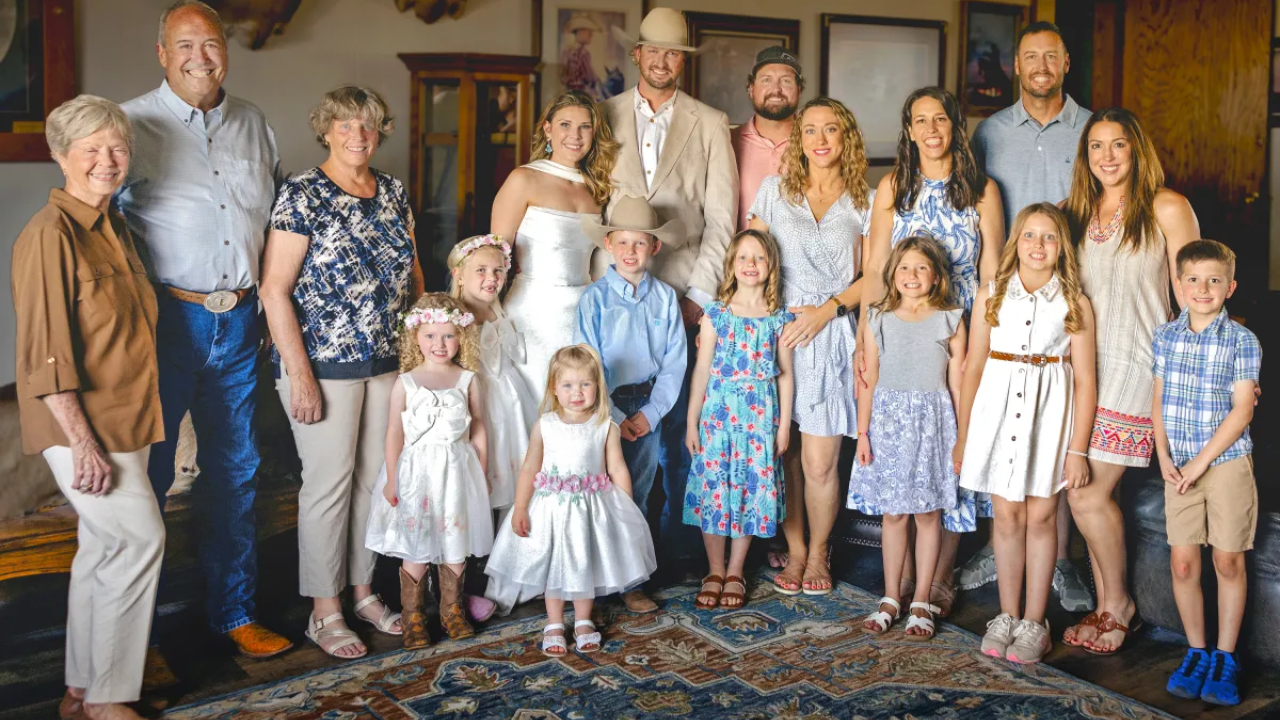
The award recognises an effort to balance cattle production with habitat conservation.
A ranch in northwestern Oklahoma has stayed in one family for more than a century, and its latest distinction turns on how the land is managed rather than how much of it is owned. According to the Times of India, citing the Oklahoma Department of Wildlife Conservation (ODWC), Troy Lotspeich's great-grandfather bought the family's current ranch in 1903. Today the 10,000-acre property carries 600 cattle moved through 25 grazing paddocks, giving native grassland time to recover while supporting a broad range of wildlife. On 12 October the department named the Lotspeich family its 2026 Landowner Conservationist of the Year.
The award recognises an effort to balance cattle production with habitat conservation. The main ranch in northern Harper County is made up of native grasses, forbs and shrubs, the department says, and the family also owns 3,950 acres of farmland in Beaver County, including 750 acres of irrigated land. The history reaches back further than the 1903 purchase: Lotspeich's great-grandfather arrived in Oklahoma in the 1890s and bought a quarter-section before acquiring the property that became the family's present ranch.
The grazing system is the core of the practice. Rather than letting livestock roam the same ground continuously, the family concentrates the herd in one paddock for a short period before moving it on, an approach the department describes as high-intensity, low-duration grazing. It follows a principle the report calls "take half, leave half", leaving enough grass for vegetation to recover and continue feeding and sheltering wildlife. The department says the method can improve soil conditions and organic matter, helping the ground absorb and retain more rainwater. That matters in a region receiving an average of only about 22 inches of precipitation a year. To make the rotation work, the family has installed roughly 35 miles of water lines connected to 20 stock tanks, giving each paddock at least one water source, and Troy Lotspeich monitors grazing pressure through grazing exclosures that allow protected vegetation to be compared with grazed grass. In winter the cattle move off the native grassland onto crop ground, grazing wheat pasture supplemented with alfalfa hay or grain from the irrigated farmland.
The wildlife list is long: northern bobwhite quail, white-tailed deer, mule deer, elk, prairie dogs, burrowing owls, ring-necked pheasants and wild turkeys, with ducks, geese and sandhill cranes using the property's ponds and river. According to ODWC, wildfire has helped shape the vegetation, and native prairie plants are adapted to fire and can keep growing even when rainfall is limited. The family allows guided hunts for bobwhite and white-tailed deer and organises youth hunts, and raises and trains its own bird dogs. Its attitude has shifted over generations: a 1965 edition of Oklahoma Wildlife quoted Troy's grandfather, Kenny Lotspeich, recalling that the ranch once displayed "no hunting" signs, which he later removed on the grounds that they kept genuine friends away without stopping poachers.
The family now works with the ODWC, the Natural Resources Conservation Service and the Farm Service Agency, and Troy Lotspeich takes part in a Candidate Conservation Agreement with Assurances programme for lesser prairie-chickens, a species whose grassland habitat has come under pressure across parts of the Great Plains. The department notes that more than 95% of Oklahoma is privately owned, which makes cooperation with farmers and ranchers central to protecting habitat beyond public conservation areas. The report gives no figures on the programme's results for wildlife populations, and the award itself is a departmental recognition rather than an independent audit of outcomes.