
GlobalDevelopingDay 1
GLP-1 drugs and rare eye condition warnings
The FDA will require GLP-1 receptor agonist drug makers to add a warning about NAION risk to their labels.
Updated 20:35 UTC, 10 November 2026 · 3 reports from 3 outlets · 1 confirmed · 15 one-source
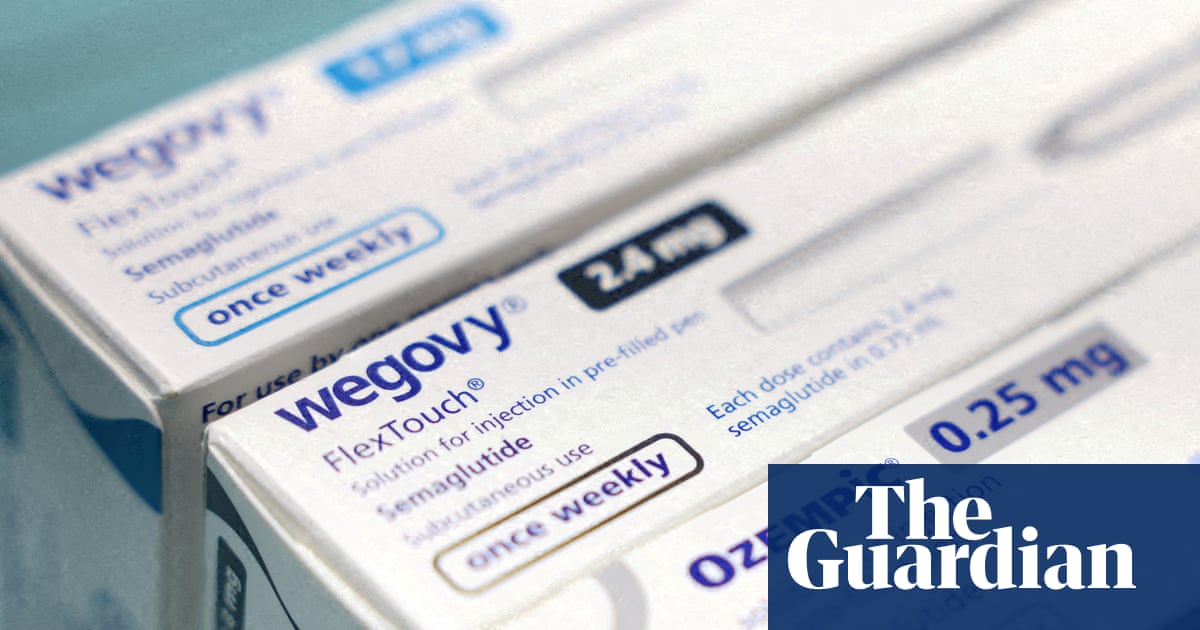
Image: The Guardian
Read it your way
Loading the summary…
Written by AI only from the receipts on this page; each number links to the claim that line rests on.
What changed
Last 48 hours, newest first (times UTC)
-
Ghost edit Ars Technica edited "FDA warns GLP-1 drugs may pose risk of rare condition that causes vision loss": Harvard researchers" changed to "Harvard University researchers"; "Ophthalmologists" changed to "Ophthalmology" (twice); "their" changed to "its"; added quote on GLP-1 benefits and stopping treatment
-
Where it stands The FDA will require GLP-1 receptor agonist drug makers to add a warning about NAION risk to their labels.
11 earlier changes
-
Story opened The FDA has warned that GLP-1 weight loss drugs may cause a rare eye condition that can lead to blindness, and makers are ordered to add warnings.
How it’s being told
One card per media bloc, with each outlet’s framing written from its own headlines.
European media
BBCPublic broadcasterThe GuardianNon-profit
- The BBC foregrounds the regulator's order to drug makers, framing it as companies being 'ordered to add warnings' about a rare eye condition 'that can lead to blindness'.
- The Guardian foregrounds the FDA's warning about a rare 'eye condition causing blindness' and the agency's 'potential increased risk' finding, centring regulators and Novo Nordisk's rebuttal while giving.
US media
Ars TechnicaPrivate
- Ars Technica foregrounds the FDA's label requirement while stressing that 'causation has not been established' and absolute risk 'appears small', centring regulators' and the European Medicines Agency's reviews.
In their words
What the people at the centre of this story said, word for word, with the article each quote appeared in.
continues to believe the data do not establish a cause-and-effect relationship and we remain confident in the benefit-risk profile of our GLP-1 medicines.
NAION cases have been reported for all currently marketed GLP-1 RA products
there may be an association between GLP-1 [receptor agonist] use and NAION, but NAION remains rare, any increase in absolute risk appears small, and causation has not been established.
Receipts
Every claim with the verbatim sentence it came from. Tap a claim to see its sources.
Confirmed 1
Reported by at least two independent outlets, or by the actor itself.
The FDA will require makers of GLP-1 receptor agonist drugs to add a warning about NAION risk to their labels.
-
“In a drug safety communication Monday, the FDA said it will now require makers of GLP-1 receptor agonist drugs to add a warning about that risk on their drug labels.”
Ars TechnicaPrivateAttributesFDA warns GLP-1 drugs may pose risk of rare condition that causes vision loss
-
“On Monday, the FDA announced that it is requiring all GLP-1 medications – including Novo Nordisk’s Ozempic and Wegovy, Eli Lilly’s Mounjaro and Zepbound, as well as Sanofi’s Soliqua – to include information about the potential risk of nonarteritic anterior ischemic optic neuropathy, also known as NAION, on warning labels.”
The GuardianNon-profitReportsFDA warns of rare eye condition causing blindness from GLP-1 weight loss medications
One source 15
Only one outlet so far. Shown, never hidden — treat with care.
NAION is the most common cause of acute optic nerve injury in people over 50, with 2.3 to 10.2 cases per 100,000 annually.
-
“It is the most common cause of acute optic nerve injury in individuals over 50 years old, with an annual average of 2.3 to 10.2 cases out of 100,000 people above that age.”
The GuardianNon-profitReportsFDA warns of rare eye condition causing blindness from GLP-1 weight loss medications
The FDA began examining potential links between GLP-1s and NAION after a 2024 study in JAMA Ophthalmology.
-
“According to the FDA, the agency began looking at potential links between GLP-1s and NAION after a 2024 study published in the journal JAMA Ophthalmology.”
The GuardianNon-profitAttributesFDA warns of rare eye condition causing blindness from GLP-1 weight loss medications
Novo Nordisk says the data do not establish a cause-and-effect relationship between GLP-1 medicines and NAION.
-
“In response to the FDA announcement, a Novo Nordisk spokesperson told the Guardian that the pharmaceutical company “continues to believe the data do not establish a cause-and-effect relationship and we remain confident in the benefit-risk profile of our GLP-1 medicines.””
The GuardianNon-profitAttributesFDA warns of rare eye condition causing blindness from GLP-1 weight loss medications
The FDA concluded there is a potential increased risk of rare NAION events in patients taking GLP-1 RAs.
-
““FDA concluded that there is a potential increased risk of rare NAION events in patients taking GLP-1 RAs.”
The GuardianNon-profitAttributesFDA warns of rare eye condition causing blindness from GLP-1 weight loss medications
The FDA says NAION cases have been reported for all currently marketed GLP-1 RA products.
-
““NAION cases have been reported for all currently marketed GLP-1 RA products,” the FDA said.”
The GuardianNon-profitAttributesFDA warns of rare eye condition causing blindness from GLP-1 weight loss medications
The FDA found a NAION incidence rate of 6.4 cases per 100,000 person-years among GLP-1 patients versus 3.8 among placebo or alternative patients.
-
“The FDA found a NAION incidence rate of 6.4 cases per 100,000 person-years among GLP-1 patients, compared to 3.8 cases among patients on placebo or alternative glucose-lowering medications.”
The GuardianNon-profitReportsFDA warns of rare eye condition causing blindness from GLP-1 weight loss medications
The FDA reviewed 126 clinical trials involving over 134,200 patients and identified 15 probable NAION cases.
-
“The agency proceeded to review 126 clinical trials involving over 134,200 patients and identified 15 probable NAION cases, including 10 among GLP-1 patients; five in patients receiving placebo; and none in patients who were on glucose-lowering medications that were not GLP-1.”
The GuardianNon-profitReportsFDA warns of rare eye condition causing blindness from GLP-1 weight loss medications
Makers of GLP-1 drugs are ordered to add warnings about a rare eye condition that can lead to blindness.
-
“Makers of GLP-1 drugs ordered to add warnings about rare eye condition that can lead to blindness”
BBCPublic broadcasterReportsMakers of GLP-1 drugs ordered to add warnings about rare eye condition that can lead to…
The American Academy of Ophthalmologists says NAION remains rare and causation with GLP-1 drugs has not been established.
-
“The academy holds that “there may be an association between GLP-1 [receptor agonist] use and NAION, but NAION remains rare, any increase in absolute risk appears small, and causation has not been established.””
Ars TechnicaPrivateAttributesFDA warns GLP-1 drugs may pose risk of rare condition that causes vision loss
The FDA advises healthcare providers to consider discontinuing GLP-1 drugs in patients who develop NAION unless benefits clearly outweigh the risk.
-
“The FDA’s statement has a more flexible recommendation, advising healthcare providers to “consider discontinuing the GLP-1 RA in patients who develop NAION, unless the benefits of treatment clearly outweigh the risk.””
Ars TechnicaPrivateAttributesFDA warns GLP-1 drugs may pose risk of rare condition that causes vision loss
The European Medicines Agency concluded in 2025 that NAION is a very rare side effect of semaglutide.
-
“The FDA’s decision to require drug makers to add the potential risk to labels follows a conclusion from the European Medicines Agency in 2025, which carried out its own review and concluded that “NAION is a very rare side effect of semaglutide (meaning it may affect up to 1 in 10,000 people taking semaglutide).””
Ars TechnicaPrivateAttributesFDA warns GLP-1 drugs may pose risk of rare condition that causes vision loss
A 2024 Harvard study found 8.9 percent of diabetes patients on semaglutide developed NAION versus 1.8 percent in non-GLP-1 groups.
-
“Among the diabetes patients, 8.9 percent of patients on semaglutide had the eye condition, while only 1.8 percent of patients in the non-GLP-1 groups developed it.”
Ars TechnicaPrivateReportsFDA warns GLP-1 drugs may pose risk of rare condition that causes vision loss
The FDA's meta-analysis included 126 trials with data on over 130,000 patients.
-
“In the announcement Monday, the FDA reported it had conducted its own meta-analysis, which included 126 trials that collectively contained data on over 130,000 patients.”
Ars TechnicaPrivateAttributesFDA warns GLP-1 drugs may pose risk of rare condition that causes vision loss
The FDA's meta-analysis of 126 trials identified 15 probable NAION cases, 10 in patients taking a GLP-1 drug.
-
“From there, the FDA identified 15 probable NAION cases: 10 in patients taking a GLP-1 drug, five in patients who received a placebo, and none in patients on non-GLP-1 drugs.”
Ars TechnicaPrivateAttributesFDA warns GLP-1 drugs may pose risk of rare condition that causes vision loss
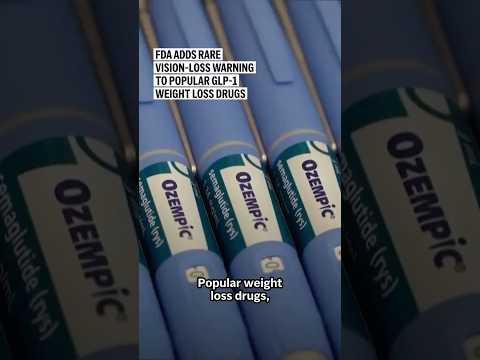
The FDA warns that Ozempic, Wegovy, Zepbound and Mounjaro may carry a potential increased risk of a rare eye condition causing permanent vision loss.
-
“The Food and Drug Administration is warning that popular obesity drugs—including Ozempic, Wegovy, Zepbound, and Mounjaro—may carry a “potential increased risk” of a rare eye condition that can lead to permanent vision loss.”
Ars TechnicaPrivateAttributesFDA warns GLP-1 drugs may pose risk of rare condition that causes vision loss
Ask about this story
Line, our AI correspondent, answers only from the receipts on this page. Every sentence links to the claim behind it.
Watch
News video from the outlets covering this story.
Ghost edits
Changes outlets made to their articles after publishing, caught by re-reading them.
-
HeadlineFDA warns GLP-1 drugs may pose risk of rare condition that causes vision loss
Harvard researchers" changed to "Harvard University researchers"; "Ophthalmologists" changed to "Ophthalmology" (twice); "their" changed to "its"; added quote on GLP-1 benefits and stopping treatment.
Removed
The condition is rare overall, occurring in somewhere between two and 10 people in 100,000 in the general population, according to the American Academy of Ophthalmologists.AddedThe condition is rare overall, occurring in somewhere between two and 10 people in 100,000 in the general population, according to the American Academy of Ophthalmology.
All sources
3 reports from 3 outlets — with who owns each outlet and who pays for it.
Ars Technica Private
United StatesOwner: Condé Nast / Advance PublicationsPaid by: advertising + subscriptions
BBC Public broadcaster
United KingdomOwner: BBC — public corporation under Royal CharterPaid by: TV licence fee
The Guardian Non-profit
United KingdomOwner: Guardian Media Group, owned by the Scott Trust LimitedPaid by: reader contributions + subscriptions + advertising; Scott Trust endowment
Not covered yet by
Al JazeeraAssociated PressCGTNCNADWEuronewsFinancial TimesForeign PolicyFox NewsFrance 24NPRRTReutersSky NewsSouth China Morning PostSputnikTASSTRT WorldThe New York TimesThe Times of IndiaWION
Outlets we monitor that have not reported this story. Silence can be signal.
1 confirmed · 15 one-source3 outletsUpdated