The episode is a reminder that flash flooding does not respect administrative boundaries.
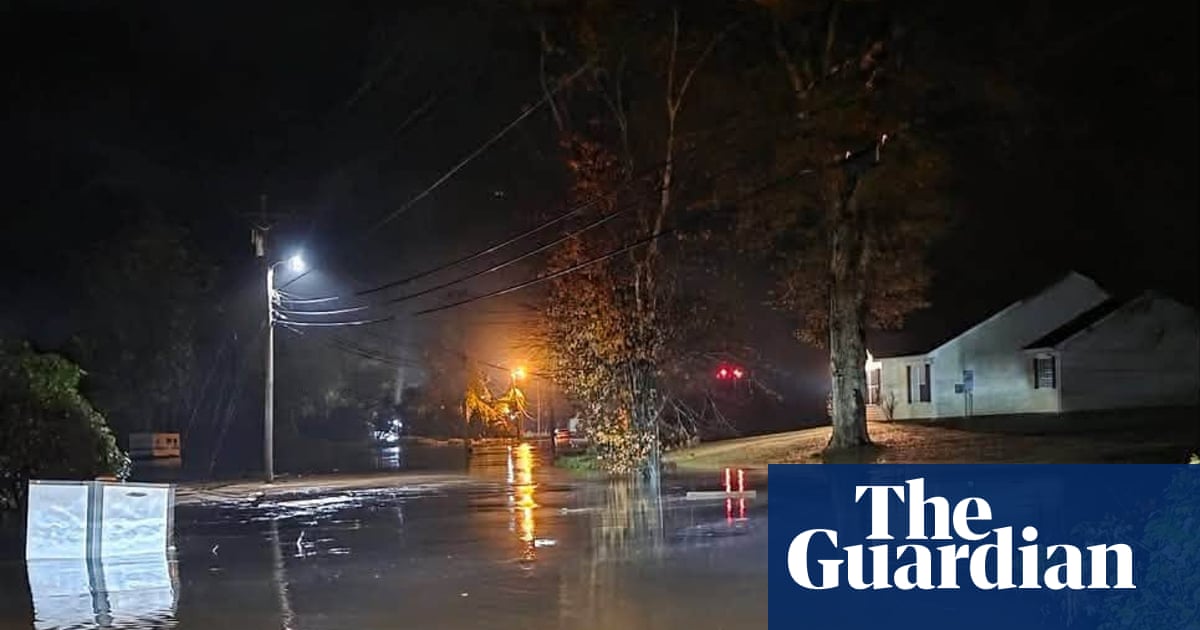
Severe storms dumped heavy rain across the Georgia-Tennessee border area late on Wednesday and into Thursday morning, triggering flash flooding that forced dozens of rescues, according to the Guardian. McCaysville, in north central Georgia, received up to five inches (13cm) of rain by Thursday morning, the National Weather Service said, prompting a warning of life-threatening conditions. The town sits just across the Toccoa River from Copperhill, Tennessee, and both communities were affected.
The NWS flash flood warning, in force until mid-morning on Thursday, described a particularly dangerous situation and urged residents to seek higher ground. It warned of flooding at low water crossings, small creeks and streams, urban areas, highways, streets and underpasses, and repeated the standard caution that most flood deaths occur in vehicles. The agency later said the rain stopping should not give a false sense of security, noting that floodwaters remain extremely dangerous and conditions can worsen after the rain has ended. A boil water advisory was issued for McCaysville.
Georgia's governor, Brian Kemp, said on Thursday morning that the state's emergency management agency was leading a multi-agency response using aviation and boat assets alongside local counties and Tennessee first responders. McCaysville police chief Michael Earley told local station WSMV that more than 30 people had been rescued by boat by mid-morning, with water six to seven feet high in some areas. He said he had never seen flooding like it in his life and appealed for anyone willing to help. One local report later in the morning informally put the number of water rescues above 50.
The response was complicated by competing demands. Robert Poole, a Fannin county emergency management spokesperson, told WSMV that resources were already stretched by several structure fires that broke out at roughly the same time as the lightning moved in, with the water rescues following. He described one effort to reach a man who called in after being swept away in his car down a creek, saying communications had been lost but that crews had an address and were trying to reach him. Game wardens from the Georgia Department of Natural Resources were assisting search-and-rescue operations in Fannin and Murray counties, and schools in Fannin and Gilmer counties closed on Thursday because of hazardous roads.
Across the state line, Copperhill officials issued evacuation warnings for some residents at 3am on Thursday. The episode is a reminder that flash flooding does not respect administrative boundaries: the same river that divides two states joined the emergency response on both sides, and the governor's statement explicitly folded Tennessee crews into Georgia's operation. It also illustrates how quickly local capacity can be exhausted, with fires and floods arriving together and rescuers working in conditions that make reaching the stranded harder.
What is not yet known is the full extent of the damage, whether anyone died or remains missing, and how the informal count of rescues will compare with official figures. The condition of the man trapped in his vehicle has not been confirmed in the report. Forecasts for further rainfall in the coming days are not given, and no damage estimates have been released.