Until those questions are answered, the $20 million offer reads as an admission that the inspectors' ledger is incomplete.
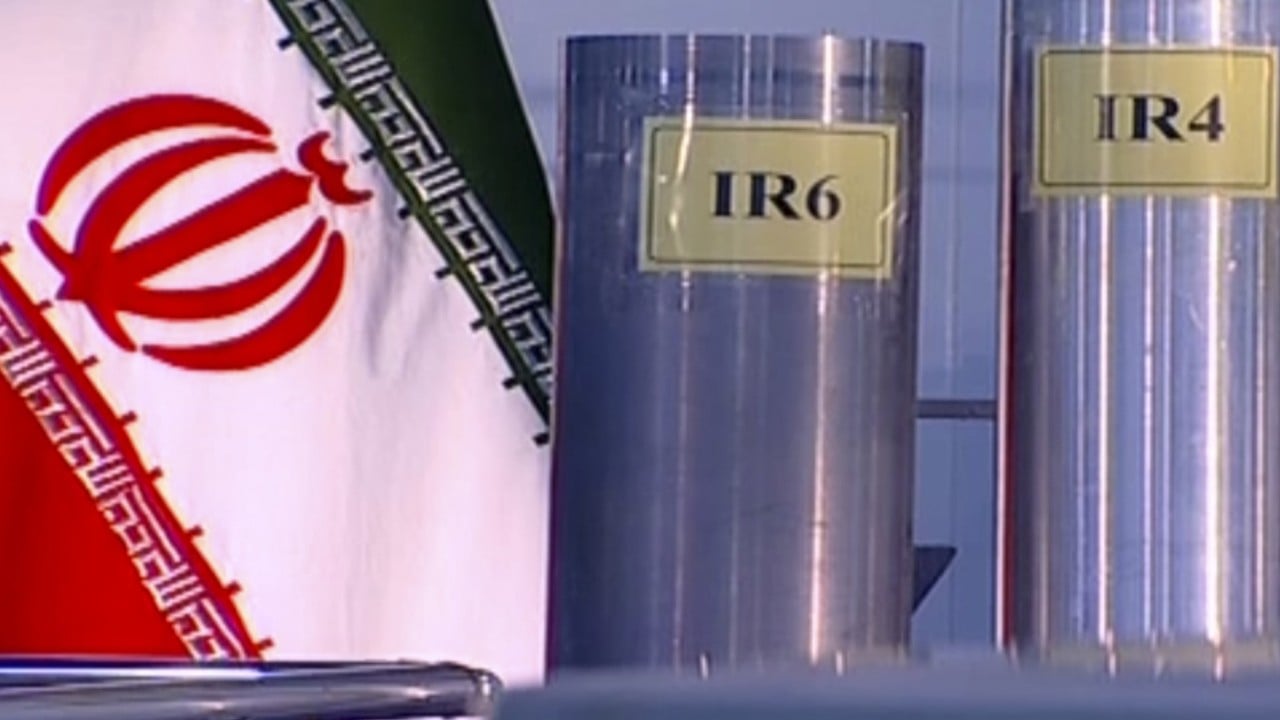
The United States is offering a reward of up to $20 million, together with what US Central Command described as "possible relocation", for information on Iran's nuclear programme. According to Euronews, the State Department's Rewards for Justice initiative is seeking knowledge of Iranian "facilities, equipment, and associated personnel, such as those in the scientific community, or the movement of any of the above". The programme, established in 1984, pays for information that could help protect national security.
The offer is framed around the collapse of routine oversight. In its statement, the State Department said Iran's "lack of compliance with the IAEA on safeguards obligations" had led the agency to lose "continuity of knowledge" regarding Iran's production and inventory of key components such as centrifuges. That phrase matters. It describes a gap not merely in access but in the record itself: when inspectors cannot track components from production to storage, the outside world loses the ability to say with confidence what Iran holds and where it holds it.
Into that gap has stepped the rewards programme, which effectively turns intelligence-gathering into a bounty system aimed at scientists, technicians and others with direct knowledge. The inclusion of "possible relocation" is a reminder that such offers carry risk for those who respond, and that the American approach now rests less on negotiated transparency than on inducement and defection.
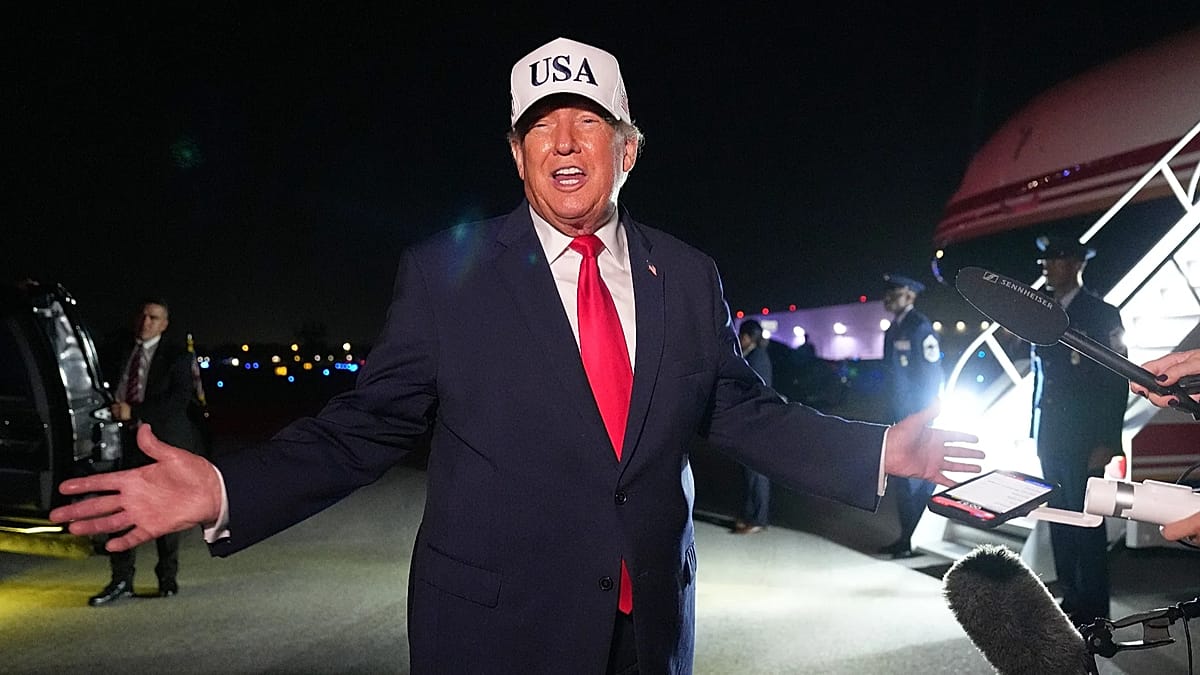
President Donald Trump has meanwhile repeated his claim that US forces have "obliterated" Iran's nuclear facilities. Speaking on Friday at the Kennedy Space Center in Florida, he said: "We're also ensuring that Iran will never have a nuclear weapon. They will never have it. Not even close. They're not close." He added that without the B2 bomber strikes "a little more than a year ago", "there would be no Israel". The BBC and other outlets have not been given evidence in this report to substantiate the extent of the damage claimed, and the IAEA's stated loss of continuity of knowledge sits awkwardly beside assertions of certainty.
Tehran's nuclear ambitions have been central to negotiations over ending the Iran war, which began in late February following US and Israeli strikes on the country. Trump's remarks came as Iranian President Masoud Pezeshkian confirmed that his government was continuing efforts to resolve the conflict through dialogue. The juxtaposition is striking: Washington is simultaneously pursuing a diplomatic off-ramp and soliciting human intelligence on the very programme under discussion.
What is not yet known is significant. The report does not say how the reward will be administered, what protection relocated informants might receive, or whether Tehran has responded to the offer. Nor is it clear how the loss of IAEA continuity of knowledge would be restored, or what verification any eventual settlement would rest upon. Until those questions are answered, the $20 million offer reads as an admission that the inspectors' ledger is incomplete.