A multimillion-dollar bounty for intelligence on a programme the president says has been destroyed suggests that Washington does not regard the account as complete.
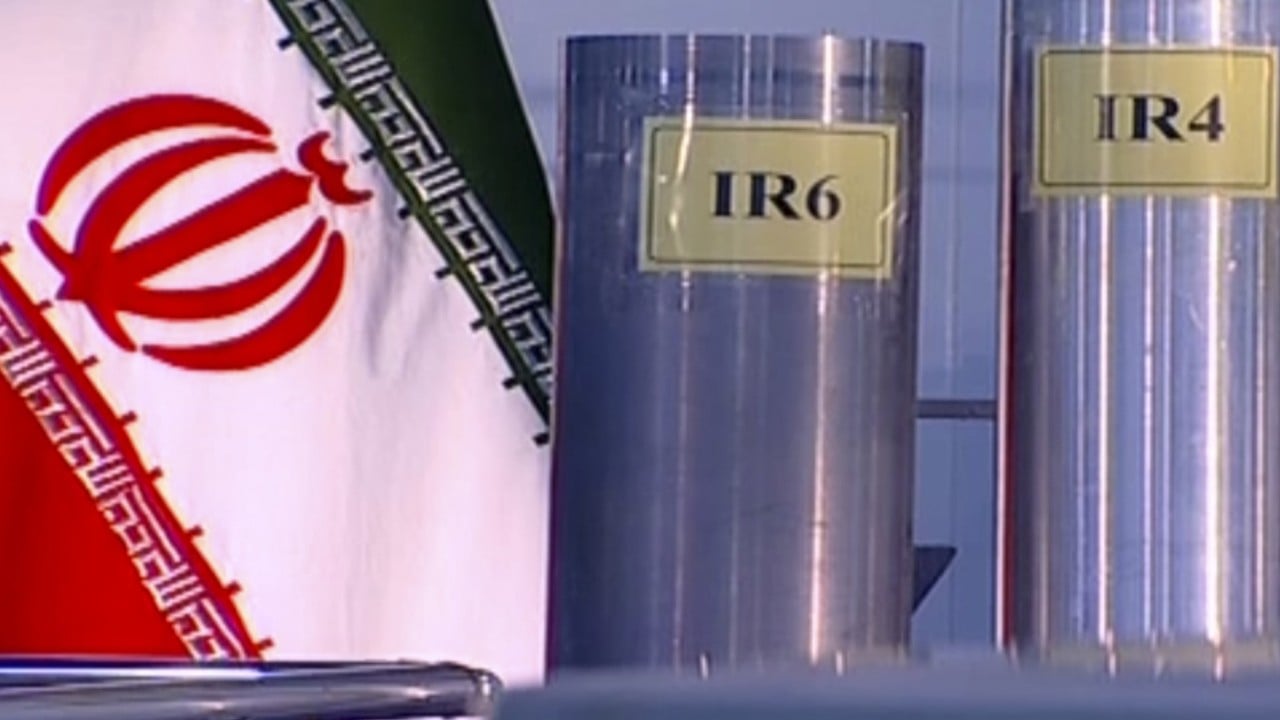
The United States is offering up to US$20 million, and possible relocation, for information about Iran's nuclear programme, according to a statement from US Central Command reported by the South China Morning Post. The offer, run through the State Department's Rewards for Justice programme, covers details of Iranian facilities, equipment and associated personnel, including those in the scientific community. The programme dates from 1984 and was set up to pay for information that protects American lives and interests.
The State Department's accompanying statement, as reported, tied the reward to Iran's lack of compliance with International Atomic Energy Agency safeguards obligations. That non-compliance, it said, had cost the agency its "continuity of knowledge" regarding Iran's production and inventory of key components such as centrifuges. The department gave no specific parameters on what information would qualify for the full sum, according to the report. That silence matters: a reward of this size invites tip-offs of wildly varying quality, and the absence of published criteria leaves the judgement of value entirely with Washington.
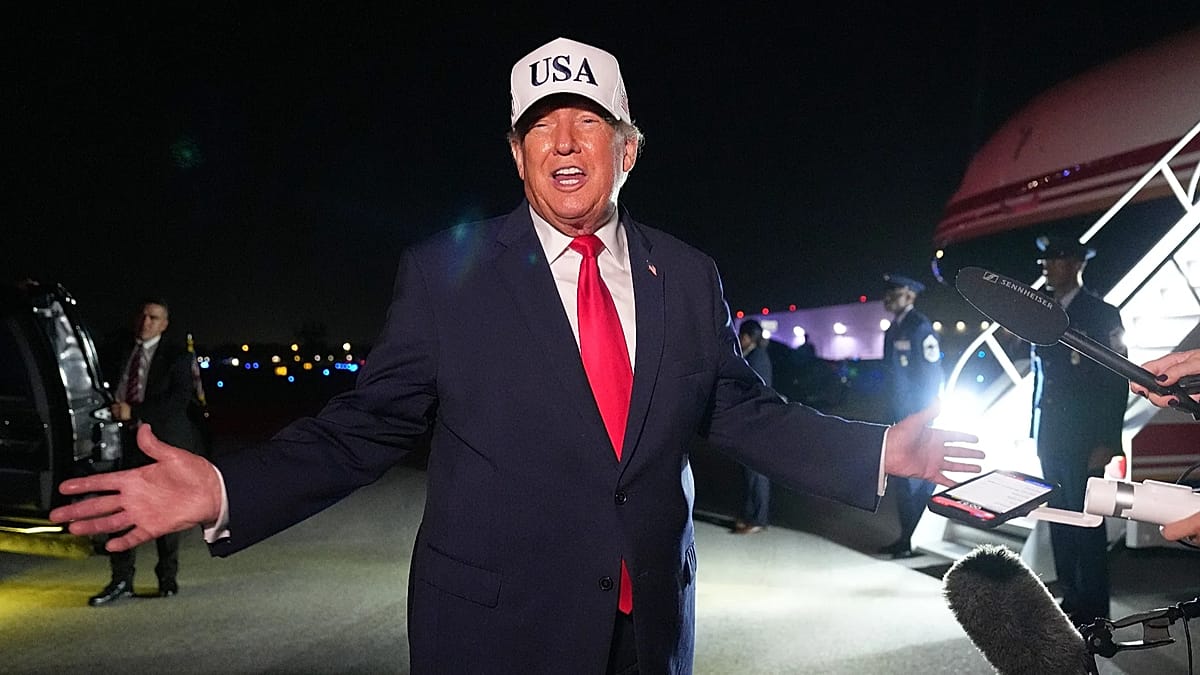
President Donald Trump used the same day to repeat his claim that US forces had effectively obliterated Iran's nuclear programme. Speaking in West Palm Beach, Florida, he said that without the US strikes Israel would not exist today, and that a nuclear-armed Iran would have used its weapons and obliterated the Middle East. He also said Iran, whose economy and military he described as severely damaged over eight months of war, is eager to end the conflict. "They want to make a deal very badly," he said, adding that Washington is dealing with Tehran now.
The two messages sit awkwardly together. A multimillion-dollar bounty for intelligence on a programme the president says has been destroyed suggests that Washington does not regard the account as complete, or that it wants to know what survives and who holds the knowledge. The emphasis on scientific personnel points to concern about reconstitution, not merely about existing sites. Yet the same administration is signalling that a negotiated end to the war is in reach, and that Iran is asking for one.
Iran's President Masoud Pezeshkian said on Tuesday that his government was still trying to resolve the crisis through dialogue, and mediators have been active in an attempt to prevent any resumption of fighting. Trump said earlier in the week that he still had to "take care" of one or two targets, including Pickaxe Mountain in central Iran, a suspected nuclear site that Tehran denies is one. Whether that threat is leverage in the talks or a genuine pending operation is not stated in the report.
Several things are not yet known. The report gives no indication of how the reward will be administered, whether any information has already been received, or how it might interact with the diplomacy. Nor does it establish what inspections, if any, Iran would accept as part of a deal, or whether the IAEA's lost knowledge can be rebuilt by other means. What is clear is that Washington is pursuing pressure and negotiation at the same time, and that the reward is a public instrument in that campaign rather than a quiet intelligence channel.