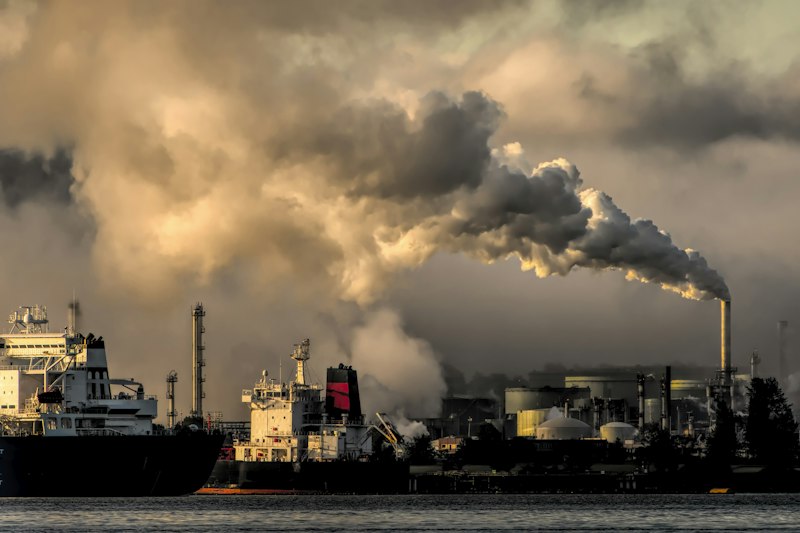
The interplay between oil prices and economic indicators presents a complex challenge for decision-makers.
The volatility of oil prices has reemerged as a focal point for financial markets, stirring unease on Wall Street and raising questions about the broader economic landscape. Analysts and investors alike are closely monitoring the fluctuations in crude oil prices, which have shown a tendency to reflect not just supply and demand dynamics but also geopolitical tensions and macroeconomic factors.
Recent reports indicate that oil prices have experienced significant swings, influenced by a confluence of factors including OPEC production decisions, sanctions on key oil-producing nations, and shifting demand patterns as economies grapple with post-pandemic recovery. The anxiety on Wall Street is not merely about the numbers; it encapsulates a deeper concern about inflationary pressures, consumer spending, and overall economic growth.
The implications of oil price volatility extend far beyond the energy sector, with potential ripple effects across various industries. Higher oil prices can lead to increased transportation costs, which may subsequently affect consumer prices for goods and services. This chain reaction raises alarms for Federal Reserve policymakers who are focused on curbing inflation without stifling growth. As such, the interplay between oil prices and economic indicators presents a complex challenge for decision-makers.
Moreover, geopolitical tensions, particularly in the Middle East and Eastern Europe, have added another layer of uncertainty. Investors are acutely aware that any escalation in conflicts can disrupt supply chains and exacerbate price hikes. In this context, the market's response to oil price changes is not just a reflection of current trends but also an indicator of future economic trajectories. Wall Street's twitchiness underscores the urgent need for strategic foresight in navigating the volatile interplay between energy prices and the global economy.