The approach reflects a broader conservation strategy that seeks to balance environmental protection with the needs of rural communities.
A six-year conservation effort in western Maine has resulted in the permanent protection of more than 27,000 acres of forestland, according to reports by Maine Public, the Bangor Daily News and The Conservation Fund. The achievement is the outcome of a collaborative initiative between environmental organisations, state agencies and local land trusts.
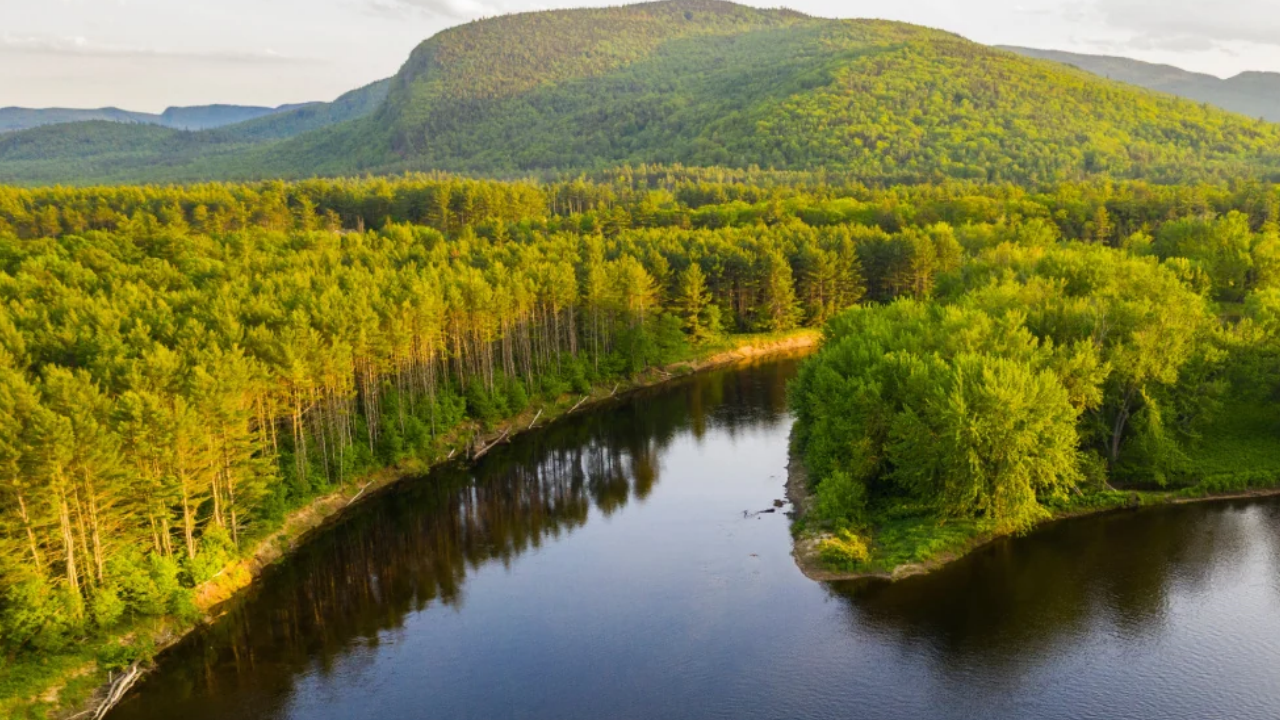
The protected land includes approximately 11,000 acres at the heart of Chadbourne Tree Farm, which will remain an actively managed working forest, supporting timber production and jobs linked to Maine’s forest-products industry. The approach reflects a broader conservation strategy that seeks to balance environmental protection with the needs of rural communities.
The conservation initiative began in 2020, when The Conservation Fund and the Malone Family Land Preservation Foundation acquired nearly 14,900 acres of Chadbourne Tree Farm. The purchase gave conservation partners time to arrange permanent protections and prevent the property from being divided into smaller parcels for potential development. The effort subsequently expanded beyond the original acquisition, bringing together multiple partners to secure additional properties and expand existing nature preserves.
One of the most important benefits of the project lies in its watershed protections, as Chadbourne Tree Farm sits near the headwaters of the Sebago Lake watershed, a critical source of drinking water for more than 200,000 people in the greater Portland area. The protected landscape also provides wildlife habitat and forest corridors that allow animals to move through the region as environmental conditions change.
The project received support from multiple sources, including Maine’s Land for Maine’s Future programme, the US Forest Service’s Forest Legacy Program, funding through the Land and Water Conservation Fund, and more than $10 million in private philanthropic contributions. The protected acreage also helps connect outdoor recreation areas around Bethel, securing important sections of a continuous trail network linking Sunday River Resort and Mt. Abram.