The gap between the vice-president's formulation and the president's is small in words and large in implication.
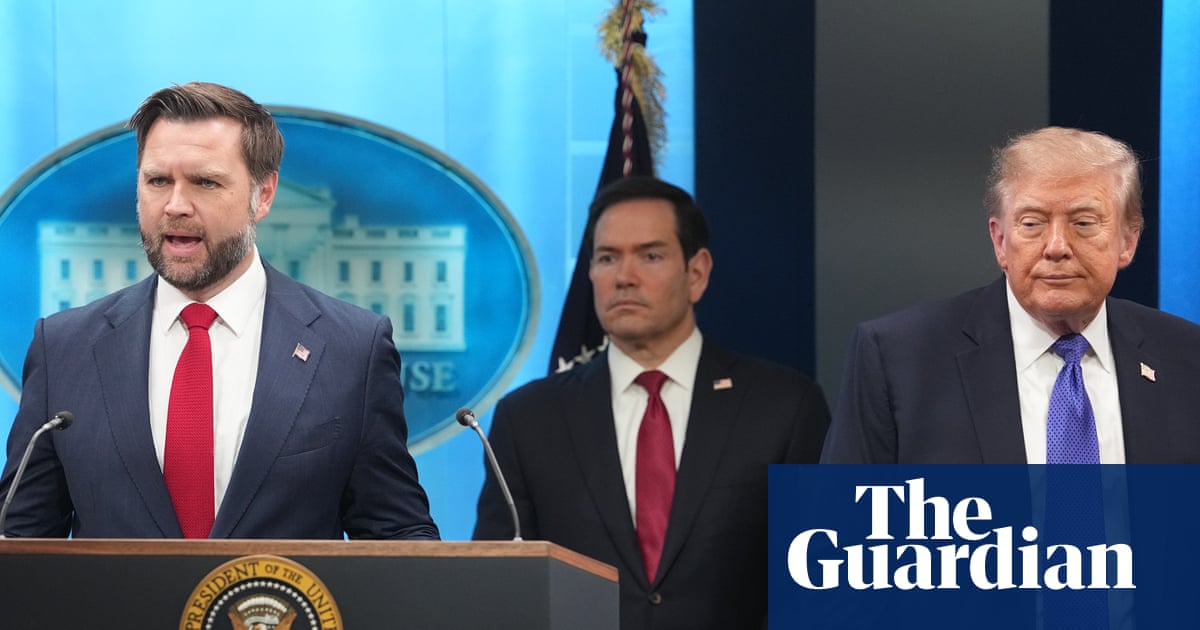
JD Vance has stopped short of endorsing Donald Trump's claim that Iran was so close to a nuclear weapon in February that war with the Islamic republic was essential. At a White House news conference on Friday, according to The Guardian, the vice-president said it was not his place to second-guess the president, but he did not repeat the assertion that Tehran was on the threshold of a bomb.
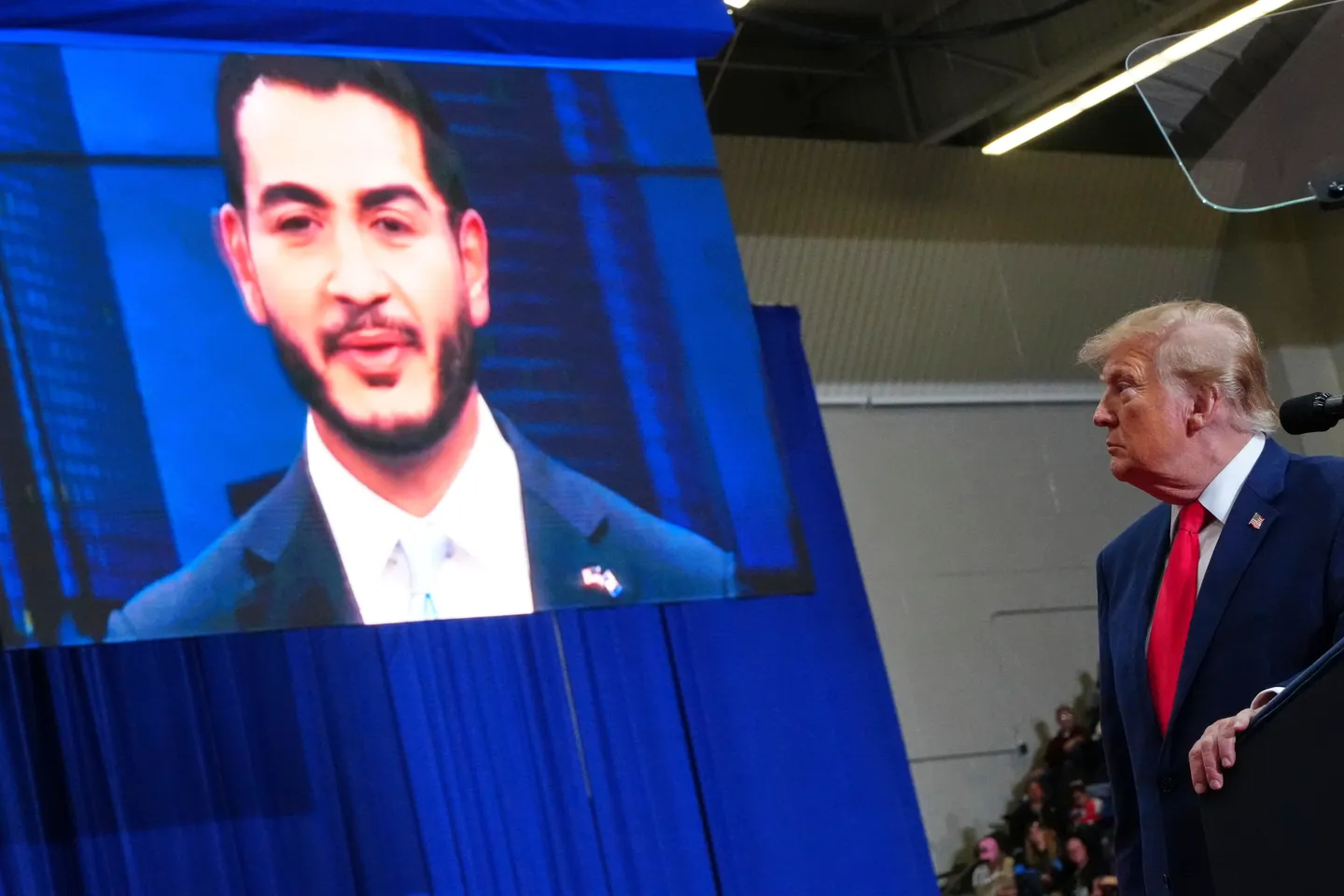
The exchange followed Trump's own remarks in the briefing room, where he was asked about reporting that he was unhappy with Vance's statement blaming Republican losses in the midterm elections on the Iran war. Trump said he thought the statement was fine, adding that he would have answered yes to whether he would do it again, because "we cannot allow Iran to have a nuclear weapon".
The president has made the claim that Iran was close to a weapon dozens of times in the past nine months, the report notes. At a campaign rally in Alaska last month he said Iran was "two weeks away from having a nuclear weapon". That sits awkwardly with testimony given to Congress on 25 March 2025 by his then director of national intelligence, Tulsi Gabbard, who said US intelligence agencies assessed that Iran had not tried to make a nuclear weapon for more than two decades and that Ayatollah Khamenei had not authorised the programme he suspended in 2003.
Three months after that testimony, on 21 June 2025, Trump ordered the bombing of Iran's nuclear enrichment facilities, describing the strikes as a spectacular military success that had completely obliterated the sites. Eight months later, when he announced the start of a full-scale war early on 28 February 2026, he framed it as necessary to ensure Iran does not obtain a nuclear weapon.
Vance's own position has been pointed. The morning after this month's midterm elections he posted that "the reason we lost is the war", inviting those who disagreed to argue that losing the Senate for six years was a worthwhile cost. Asked on Friday whether he would argue the war was worth it, he said the goal of keeping Iran from a nuclear weapon is what the US needs to be doing, calling Tehran the biggest state sponsor of terrorism, and added that the president makes the decision and has said he would do it again. "My view is that my goal is, and my job is, to support the president of the United States," he said. His office did not respond to a request for comment.
The gap between the vice-president's formulation and the president's is small in words and large in implication. Vance defends the objective and the commander-in-chief's authority while leaving the factual premise of the war — that Iran was weeks from a bomb — unendorsed. That premise is the one on which the conflict's necessity rests, and it is the one his own party's electoral losses have put under strain. What remains unconfirmed is the current state of US intelligence on Iran's programme, and whether the administration holds evidence beyond the president's public assertions. On the record available, the case for urgency rests on repetition rather than disclosure.