Until those are set out, the pledge not to fight a forever war remains a statement of intent rather than a policy, and the gap between the two is where the political argument will be fought.
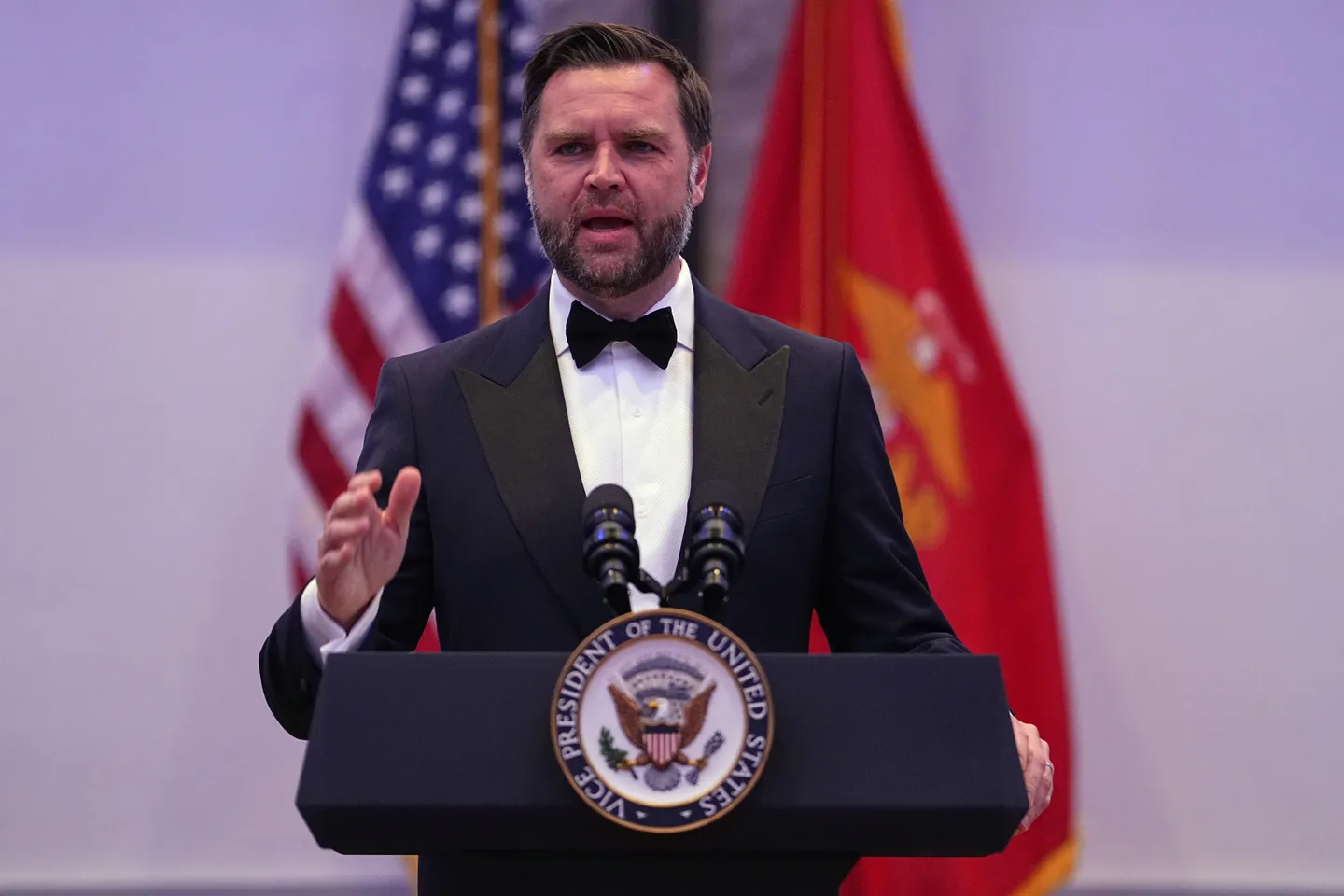
The US vice president, JD Vance, said on Monday that President Donald Trump would not allow the war with Iran to become a prolonged military commitment, according to TRT World. In an interview with Fox News, Vance rejected suggestions of any disagreement with the president over the direction of the conflict and said Trump intends to bring it to a close rather than preside over a long-term engagement.
“My prediction is that whatever the president ultimately decides to do, there are going to be people who demand more, who want the war to go on indefinitely,” Vance said, according to the report. He added that however Trump chooses to end the conflict, “he is not going to let this become a forever war.” The vice president was more specific about scale than about method: “We are not going to allow this to become a 10- or 15-year commitment, or frankly, even a two-year commitment,” he said.
Vance directed part of his remarks at critics at home, saying that “a lot of neoconservatives and a lot of other people want us to stay there forever,” and that the administration had promised voters it would not. He expressed confidence that Trump would end the war with “great results” for the American people. The report does not say what those results would be, what terms might end the confrontation, or on what timetable.
The interview also touched on the domestic costs of the conflict. Asked whether the war carried political consequences for Republicans after the 2026 midterm elections, Vance acknowledged that it had. “Politically, yes, and I think the president himself has absolutely said this as well. There was a political cost: the higher gas prices, the higher energy prices,” he said. That concession is notable because it ties the war directly to household costs, the kind of pressure that tends to shape electoral calculations.
On criticism over a memorandum of understanding related to Iran, Vance suggested that some of his detractors were using him as a substitute target for commenting on the president. “I'm happy to be a heat shield for the president of the United States,” he said. The report gives no detail of the memorandum's contents, its status, or who has attacked it.
What the interview establishes is a commitment in principle to ending the war and a rejection of open-ended engagement. What it does not establish is how the administration intends to get there. The report describes the US and Iran as locked in a military confrontation, with debate intensifying over the war's costs and duration, but gives no account of negotiations, military objectives or exit conditions. Until those are set out, the pledge not to fight a forever war remains a statement of intent rather than a policy, and the gap between the two is where the political argument will be fought.