The court's decision highlights the complexities of balancing municipal responsibilities with private property rights.
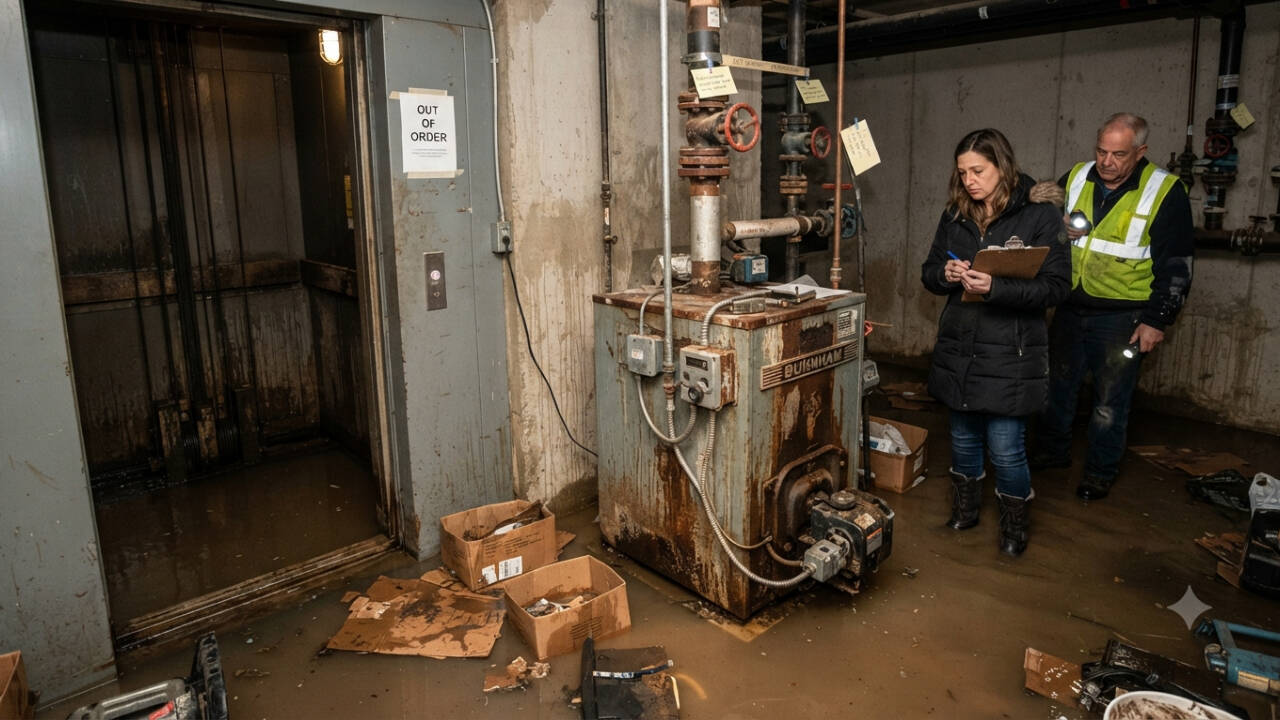
The North Dakota Supreme Court has partially revived a lawsuit filed by a property owner seeking compensation for damage caused by a municipal water main failure in Fargo. On November 25, 2026, the court allowed one constitutional claim to proceed while dismissing several other claims. The case centres on the city's response to the broken water main, which flooded the property owner's building, damaging its boiler, elevator, and plumbing.
According to the court's decision, the city was notified of the broken water main at 5:50 a.m., and repair crews arrived 20 minutes later. However, the initial excavation did not reveal the location of the break, and crews subsequently alternated between turning the water supply on and off while attempting to identify the damaged section. This led to continued flooding during the repair efforts, causing significant damage to the property.
The court's ruling distinguishes between the city's repair decisions and the property owner's constitutional property rights. The court concluded that the city's decisions about when to stop the water and how to conduct repairs involved policy considerations protected by discretionary immunity, and therefore upheld the dismissal of the negligence and trespass claims. However, the court found that the city's intentional actions in letting water through the broken main and restoring it during repairs could be considered a taking of private property for public use, and thus allowed the inverse condemnation claim to proceed.
The case has been sent back to the district court to determine whether the city's actions directly caused the property's damage and, if so, the amount of compensation that may be owed. The ruling does not establish that the city is liable or that the property owner is entitled to a particular payment, but rather allows the remaining factual questions surrounding the constitutional property claim to be examined in further proceedings.
The court's decision highlights the complexities of balancing municipal responsibilities with private property rights. The case may have implications for how cities respond to infrastructure failures and the extent to which they can be held liable for resulting damages. As the case continues to unfold, it will be important to watch how the district court navigates these issues and determines the appropriate course of action.