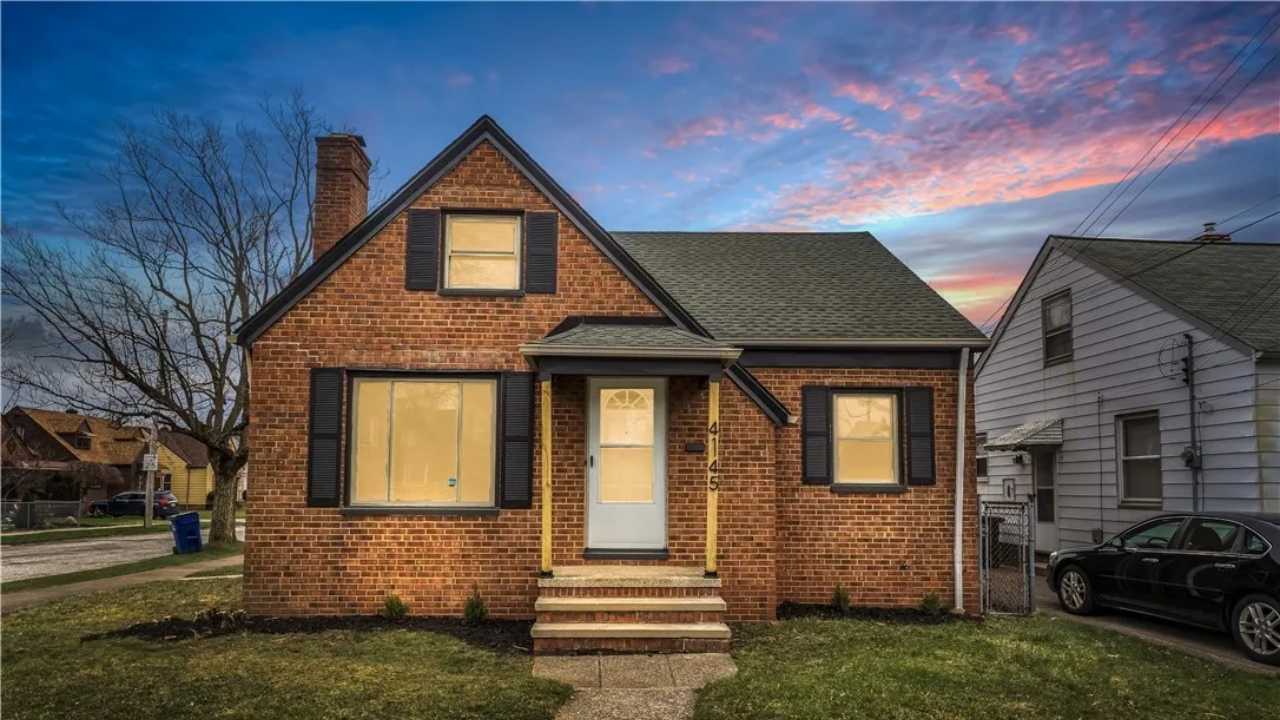
The decline in pending home sales reflects a troubling confluence of soaring mortgage rates and stagnant inventory, posing serious risks to economic stability.
The United States housing market, a pivotal sector in the broader economy, is currently facing unprecedented challenges as pending home sales have dropped to record lows. This alarming trend is largely attributed to a steep rise in mortgage rates, which have surged significantly in recent months, placing homeownership further out of reach for many Americans. The implications of this downturn are multifaceted, affecting not just the real estate sector, but also consumer confidence and economic growth at large.
As of late 2023, the average mortgage rate has climbed sharply, reaching levels not seen in over two decades. This surge is a direct consequence of the Federal Reserve's aggressive monetary policy aimed at combating inflation. While controlling inflation is essential, the unintended fallout of these interest rate hikes includes making home financing prohibitively expensive for a sizable portion of the population. Consequently, potential buyers are either postponing their purchasing decisions or being forced out of the market entirely.
In tandem with these rising rates, the inventory of homes available for sale remains critically low, exacerbating the situation. Homeowners who locked in low mortgage rates during the pandemic are reluctant to sell and give up their favorable terms, creating a stagnant market where new buyers face escalating prices for the few homes that are available. This mismatch between supply and demand not only stifles sales but also artificially inflates home prices, further alienating prospective buyers.
The ramifications of this contraction in the housing market extend beyond individual buyers and sellers. Economists warn that a prolonged slump could dampen consumer spending, which is a key driver of U.S. economic growth. As housing equity diminishes and home sales decline, households may feel less financially secure, leading to reduced expenditures on goods and services. This, in turn, could stifle economic recovery and contribute to a broader slowdown.
Policymakers must be vigilant and proactive in addressing these evolving challenges. Strategies may include reassessing monetary policy tools, implementing targeted housing assistance programs, or exploring initiatives to increase housing supply. Without thoughtful intervention, the current landscape could herald a prolonged period of economic stagnation, with significant implications for American households and the broader economy.