For now, the war is being fought with signals as much as missiles.
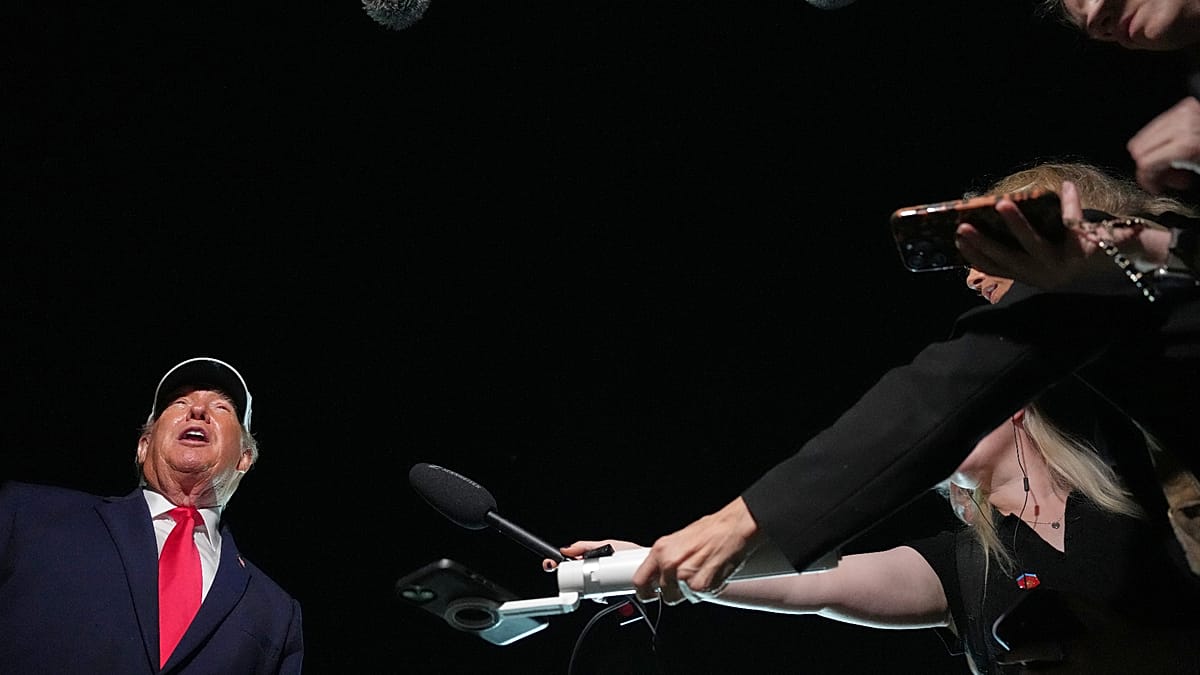
Since Tuesday's midterms, Donald Trump has moved between threatening to "destroy" the rest of Iran and suggesting a settlement is close. According to Al Jazeera, the US president told reporters on Thursday that Washington may have to finish the job, and that people would "know soon enough" if he acts. On Friday, US forces carried out what he called "minor strikes" on Iranian air defence systems, while Iran's IRNA agency reported two missiles striking Qeshm Island in the Strait of Hormuz. On the same day, Trump said his administration was talking to Iranian representatives and had "made a lot of progress".
The ambiguity is not confined to the White House. Qatar's foreign ministry spokesman, Majed al-Ansari, dismissed claims circulating on X that negotiations had collapsed, warning that such claims serve "only those seeking to prolong the war". Iran has offered a new nuclear and peace proposal through Qatari mediators, a senior Iranian official told Reuters, to be discussed only once Washington meets Tehran's seven demands. Those demands, as Al Jazeera sets them out, include lifting sanctions, unfreezing Iranian assets, ending the US naval blockade of Iranian ports and guaranteeing an end to attacks. The US is examining the proposal.
On the ground, the signals are more concrete. Iran is distributing iodine tablets to communities near its nuclear facilities, according to The Times, quoting a health ministry official who said Trump "can no longer be trusted". Iran's Young Journalists Club reported distribution in Bushehr, home to the country's only operational nuclear power plant. An Iranian political journalist told The Times that officials had been briefed that a US nuclear strike on the Pickaxe Mountain site is being seriously considered. The State Department's Rewards for Justice programme, meanwhile, is offering up to $20m for information on Iran's nuclear programme. None of this confirms that a strike is planned; it confirms that Tehran is preparing as though one might be.
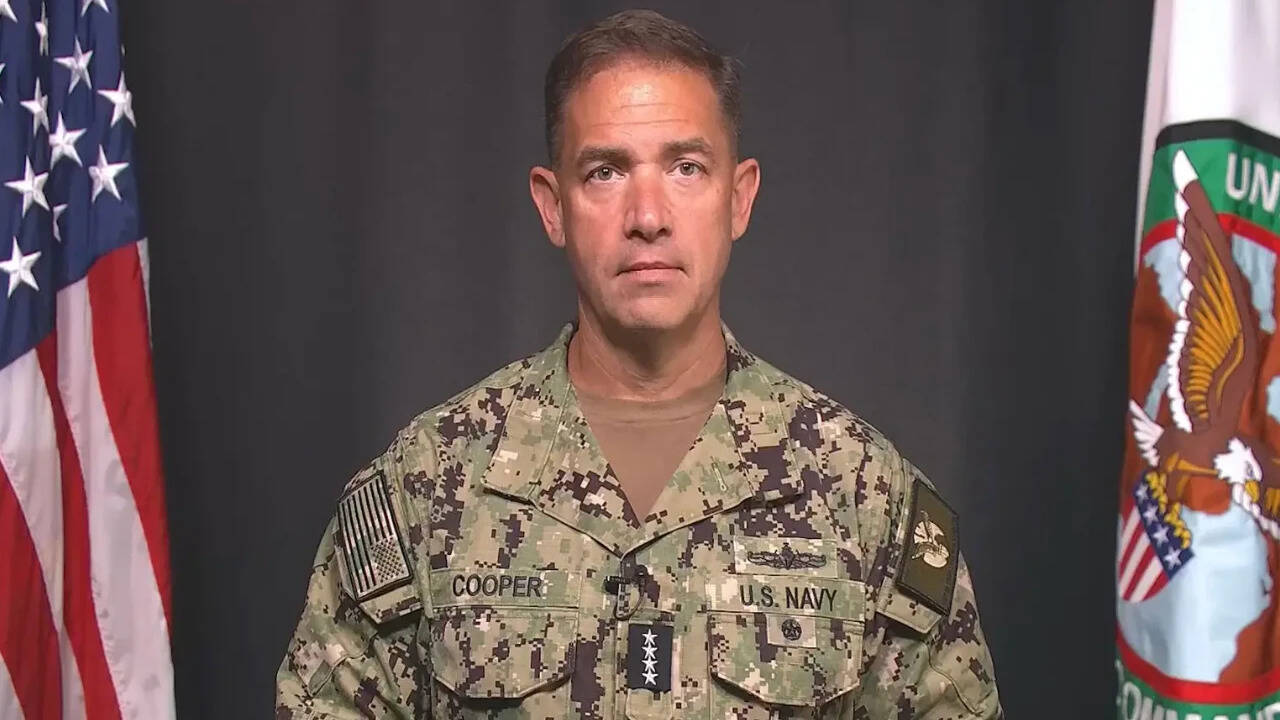
Trump's room for manoeuvre has narrowed at home. Al Jazeera reports that voters and his own Republican Party are angered by the loss of both houses of Congress, and that the unpopular war was partly blamed. Hassan Ahmadian of the University of Tehran argues on X that Iran's strategy of hitting bases and facilities in neighbouring Gulf states has weakened both Trump and Benjamin Netanyahu domestically, and that Iran's "cognitive warfare" has kept the US president "in the fog" about what would follow a limited strike. Ahmadian says Trump wants a respectable way out and needs to decide before next January. Axios quotes a US official saying CENTCOM is preparing for the resumption of major operations and awaiting orders.
Iran, for its part, says it will retaliate more widely than before. A spokesman for the supreme adviser to the commander of the Revolutionary Guard's Aerospace Force warned on Thursday that any country or force helping America attack Iran could be a legitimate target. Iran has previously threatened cables, data centres and AI facilities across the Gulf. What remains unconfirmed is whether Washington has decided on further strikes, what the Qatari-mediated proposal contains, and whether either side is willing to move first. For now, the war is being fought with signals as much as missiles.