What the ruling establishes for now is that the courtroom has become a central arena in the president's contest with the press.
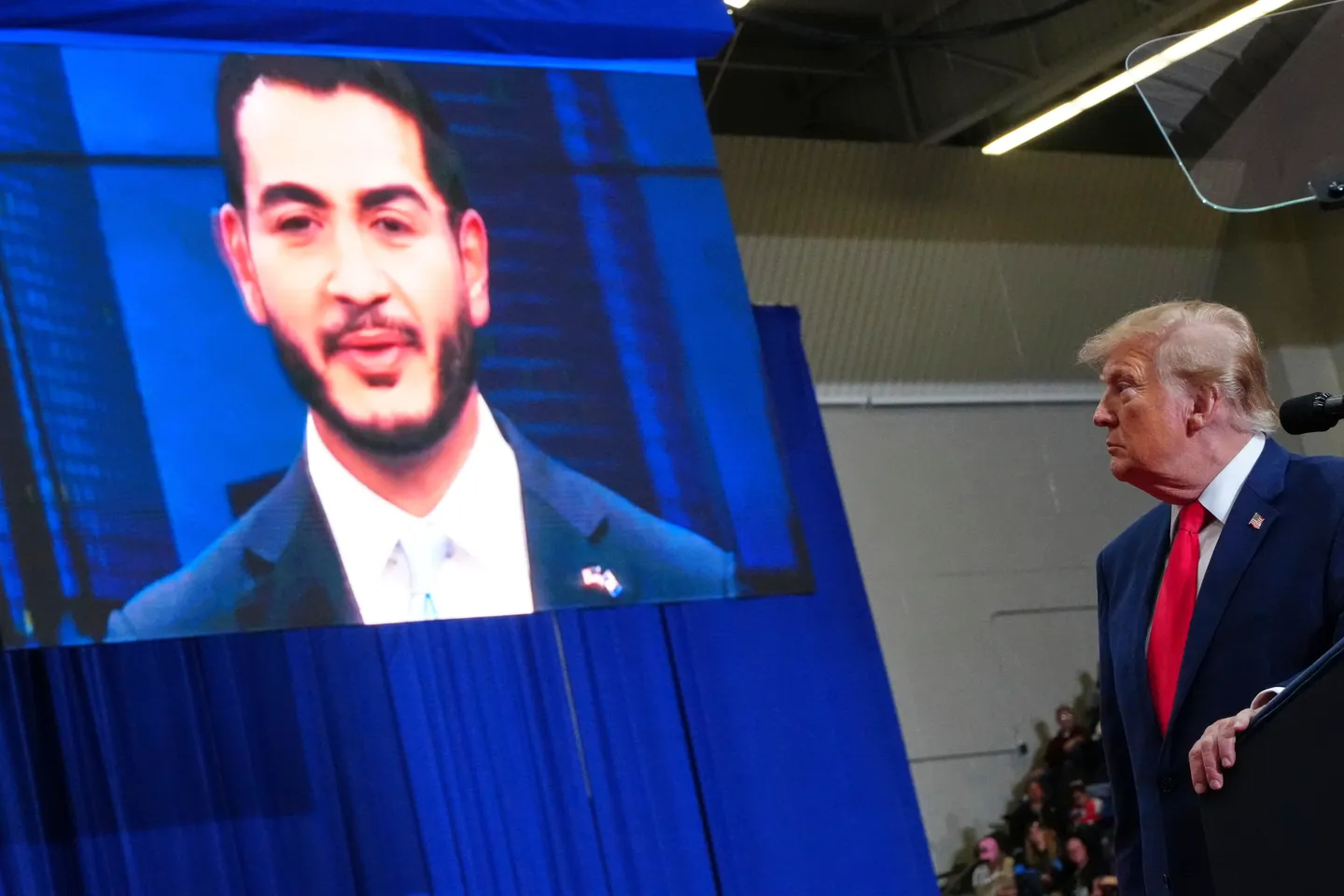
A federal judge in Tampa, Florida, has ruled that President Donald Trump's defamation lawsuit against The New York Times and the publisher Penguin Random House may proceed, according to Al Jazeera. Judge Steven Merryday, an appointee of former president George HW Bush, handed down the decision on Thursday. The ruling is a procedural victory for Trump in a wider legal campaign against media organisations he accuses of treating him unfairly.
The suit concerns a book about Trump by two Times reporters and articles that the complaint characterises as "false, malicious, defamatory, and disparaging", aimed, Trump says, at sabotaging his 2024 election campaign, which he won. Al Jazeera reports that the complaint cites 22 statements from a book by the Times journalist Peter Baker, titled For Trump, a Lifetime of Scandals Heads Toward a Moment of Judgment, and 12 from articles by Susanne Craig and Russ Buettner. The passages touch on his role in creating The Apprentice, his inheritance from his father, his business ventures and his upbringing in New York City.
Merryday did not accept the case wholesale. He threw out two of Trump's claims but held that the remainder plausibly alleged that statements accusing Trump of "planning and perpetrating complex crimes" were "based on incomplete, minimal information". That distinction matters. The judge appears to have found a narrow pleading sufficient rather than endorsing the substance of the allegations. The Times and Penguin Random House have denied defaming Trump and argued in a motion to dismiss that the suit failed to explain how the statements were defamatory and rested on subjective opinions that cannot be proven true or false. They have also called the case legally flawed and aimed at scoring political points. Representatives for the newspaper, the publisher and Trump's personal lawyers did not immediately respond to requests for comment, Al Jazeera reports.
The ruling lands days after another judge allowed Trump's $10bn defamation lawsuit against the BBC to move forward. That case alleges the broadcaster deceptively edited a documentary on the January 6, 2021, riots at the Capitol to damage his reputation. A separate $10bn suit against The Wall Street Journal, refiled in May after dismissal, is also ongoing. Read together, the decisions suggest that American courts are proving willing to let such claims reach discovery, where the cost and disruption of litigation can themselves become pressure on newsrooms.
The broader context is a sustained campaign. Since resuming office, Trump has moved against outlets whose coverage he disputes: in September he sought to bar CNN, MS Now and Politico from the White House and its press pool, a blanket ban a federal judge later blocked. Reporters Without Borders said earlier this year that the United States had fallen to a historic low in its annual press freedom tracker, dropping seven places to 64th and remaining in its "problematic" category. Clayton Weimers, executive director of RSF's North America office, described a "press freedom crisis" and accused Trump and his administration of a coordinated war on press freedom.
What is not yet known is how the surviving claims will fare once tested on the evidence, whether the Times and Penguin Random House will appeal, and what the discovery process will yield. The merits of the disputed statements remain unresolved. What the ruling establishes for now is that the courtroom has become a central arena in the president's contest with the press, and that the first procedural skirmishes are going his way.