The result is a single snapshot taken days before voting, not a forecast.
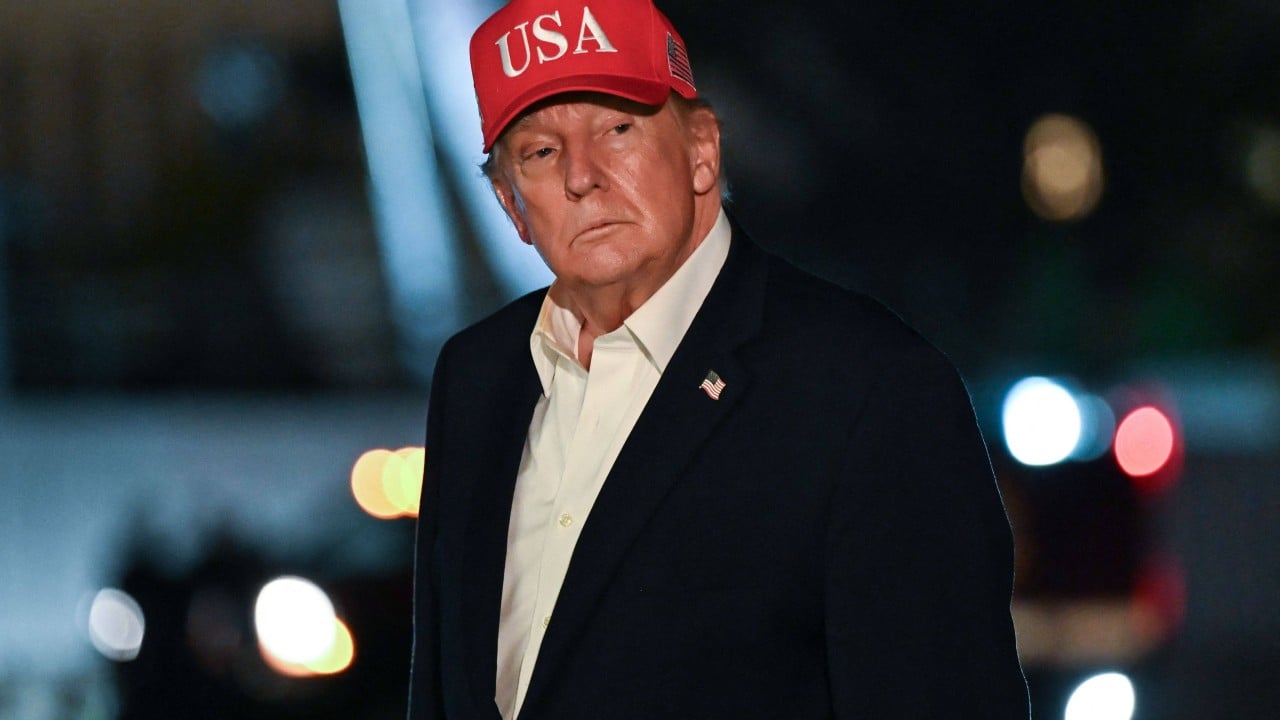
Donald Trump's approval rating sits at 32 per cent, close to the career low of 31 per cent recorded two weeks earlier, according to a Reuters/Ipsos poll completed on Monday and reported by the South China Morning Post. The survey lands on the eve of Tuesday's congressional midterm elections, in which Republicans are fighting to hold their majorities in both chambers.
The poll points to fuel prices as a central pressure on the president's standing. According to the report, Republican vulnerabilities have been sharpened by a surge in fuel costs since Trump launched a war on Iran in February. On the generic ballot, voters nationwide preferred Democrats to Republicans by 46 per cent to 38 per cent. That eight-point Democratic lead is narrower than the eleven-point advantage the same pollster found a week earlier, a movement the report notes without explaining.
The cost of living dominates the electorate's concerns. Some 78 per cent of voters said rising living costs would be very important or the most important issue in deciding their vote, and on that question voters favoured Democrats over Republicans by 43 per cent to 32 per cent. Among independents, 50 per cent of registered voters said they saw their congressional vote as a vote against Trump, against 13 per cent who called it a vote for him and 33 per cent who said he was not a factor. Enthusiasm also favours the Democrats: 49 per cent of their voters described themselves as very enthusiastic about voting, compared with 33 per cent of Republicans.
Trump is not on the ballot, but the poll suggests he looms over the contest. Strategists from both parties, as quoted in the report, see the House as the Democrats' best opportunity, with all 435 seats in play. The Senate path is harder, and the report says Democrats have been on the defensive in Alaska and Michigan in recent days. The generic ballot offers only a national snapshot; it does not capture the state-by-state and district-by-district contests that will decide control of Congress.
Several limits apply. The poll surveyed 1,765 US adults online and carries a margin of error of two percentage points, and the report gives no state-level or district-level polling to test the Senate picture. It also does not establish how far fuel prices, the Iran war or other factors each contributed to the president's rating. The result is a single snapshot taken days before voting, not a forecast. What it does show is an electorate focused on living costs, an independent bloc leaning against the president, and a Republican Party defending two majorities with its most prominent figure at near-record unpopularity.