The machinery of federal law enforcement is being pointed at a state's election administration in its final days, and the courts have so far declined to let it proceed.
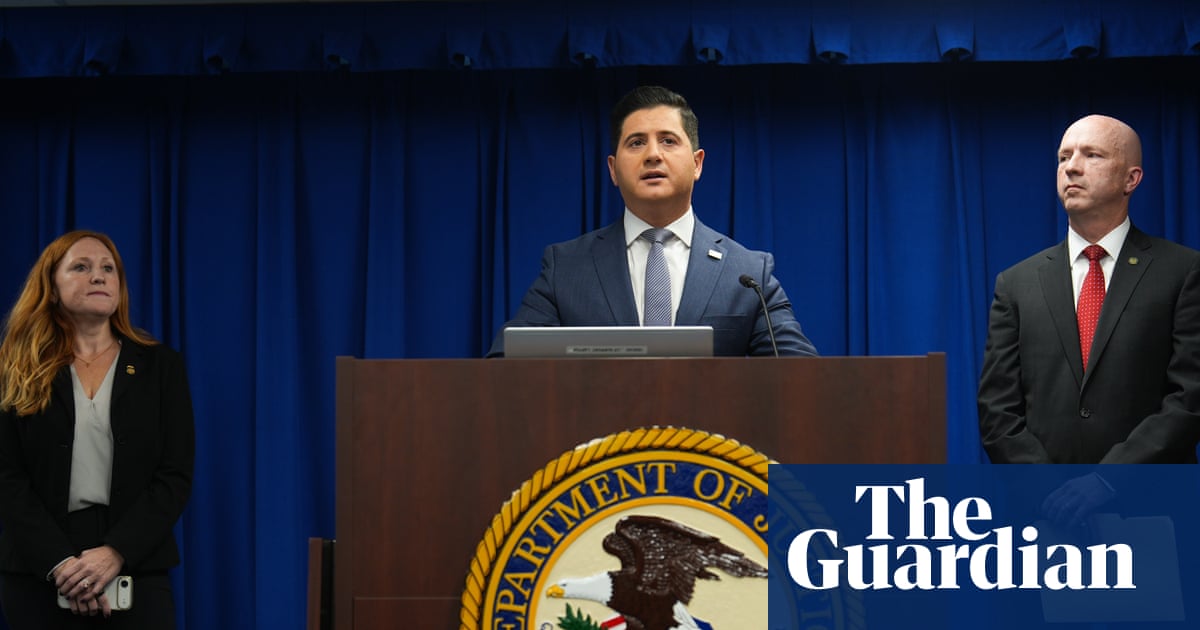
The US Department of Justice in California has charged six more people with alleged voter fraud, according to The Guardian, escalating the Trump administration's campaign against the state's election processes on the eve of the midterms. Bill Essayli, the top federal prosecutor in Los Angeles and a close ally of the president, announced on Monday that his office was prosecuting six lawful permanent residents accused of unlawfully registering to vote and casting fraudulent ballots. The department filed similar charges against 28 people across California last month and arranged an on-camera arrest of a 72-year-old defendant, footage later edited into a promotional video.
The six new defendants are all green card holders, the criminal complaints state, meaning they hold legal status but are barred from voting. Five have been arrested, Essayli said. They include people originally from Mexico, Israel, the Philippines, Canada and Iran, and each faces a single charge of making false statements on a naturalisation application. The affidavits allege they registered unlawfully and later falsely claimed they had never registered; the complaints say they cast ballots in recent years, but none faces a charge specifically relating to fraudulent voting. Prosecutors put the maximum penalty at five years. The defendants have not been formally indicted, and it was not immediately clear whether any had obtained lawyers.
The timing is the substance of the dispute. The charges land as the department pursues a lawsuit to force California officials to set aside roughly 20,000 ballots that prosecutors say may belong to noncitizens who fraudulently registered. State election leaders have called the list and its methodology unreliable, and argued that compliance mid-election would be logistically impossible and risk disenfranchising citizens. Multiple judges have rebuffed the effort as unconstitutional, and the US supreme court on Monday rejected the administration's appeals. Voting by noncitizens is extremely rare, and experts say that when noncitizens appear on the rolls it is usually through confusion.
The list itself is contested. Essayli said the newly arrested defendants were on it, arguing the cases supported the push to stop ballots being counted. But an immigrants' rights group that sued over the government's use of federal immigration data analysed the list and said in a weekend filing that more than 40% of those flagged could not be found on the state's voter rolls. County officials who received threatening letters from the department have said the lists were riddled with errors. Questioned on Monday, Essayli said the government had used "third-party databases" and that the list "may not be 100%" accurate, though he claimed a high confidence rate. The 20,000 names represent a tiny fraction of California's more than 23 million registered voters.
Former prosecutors and defence lawyers have said it was extraordinary to bring such cases mid-election, when federal prosecutors traditionally avoid steps that could appear politically motivated, and especially galling to parade defendants before news cameras. Democrats accuse the department of trying to sow doubt in the results. A federal judge on Friday rebuked the department's threats to prosecute election officials who process disputed ballots, describing intimidation that forces workers to choose between unlawful demands and their duties, and blocked the threats from continuing. Essayli has pressed on even after a judge ruled last week that he was "unlawfully" heading the office without Senate confirmation; the department is appealing.
What remains unconfirmed is the accuracy of the underlying lists and the outcome of the prosecutions, which rest on complaints rather than indictments. What is clear is that the machinery of federal law enforcement is being pointed at a state's election administration in its final days, and that the courts have so far declined to let it proceed.