Diplomacy, meanwhile, appears to be narrowing rather than widening.
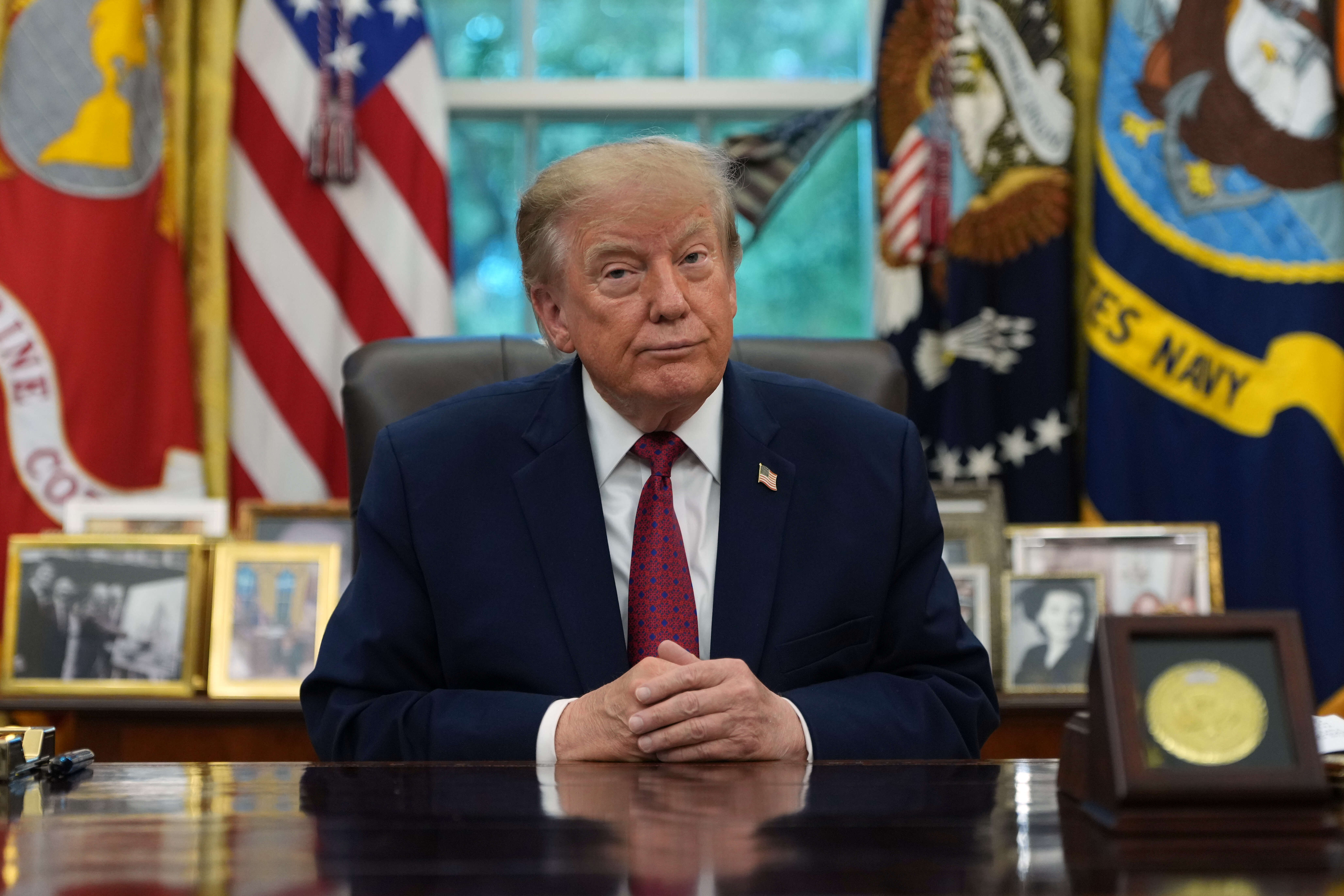
President Donald Trump has renewed his threat of military action against Iran while indicating that he would prefer to avoid further destruction, according to a report by the Times of India. Speaking to reporters in the Oval Office on Thursday, Trump said: "I would rather not destroy the rest of the country if possible, but maybe I'll have to. You will know soon enough." On Tehran's nuclear programme, he added that Iran was "not doing anything without our approval".
The remarks land at a difficult moment for the White House. The report notes that Trump faces mounting pressure over the eight-month-old Iran war following Republican losses in the US midterm elections, with voter dissatisfaction over the conflict and rising fuel prices cited among the factors behind Democratic gains. Before the elections, Trump had repeatedly threatened to resume large-scale strikes if Tehran failed to agree to a settlement on terms acceptable to Washington.
The conflict has also spread beyond Iran's borders. According to the report, tensions have spilled into the Red Sea amid attacks by Yemen's Houthi rebels and retaliatory action by regional forces, while tensions remain high around the Strait of Hormuz — the channel through which a substantial share of the world's seaborne oil normally passes. The combination of military risk and fuel-price pressure gives the dispute an economic dimension that reaches well beyond the two capitals.
Diplomacy, meanwhile, appears to be narrowing rather than widening. Iran has reportedly sent a fresh proposal on its nuclear programme to the United States through Qatar, but Tehran has said negotiations would depend on Washington meeting its demands, including lifting sanctions, releasing frozen Iranian assets and paying reparations. The United States is reviewing the proposal, even as the president keeps the option of renewed military action open.
What is not yet known is the substance of the Iranian proposal, the size of any reparations figure, or whether Washington is prepared to relax sanctions in return. The report gives no timeline for a response, and it is unclear whether the Qatari channel has produced any direct contact between the two sides. Trump's remark that the public will "know soon enough" suggests a decision point is approaching, but it does not confirm one.
For now, the picture is of two governments holding incompatible positions while a fragile mediation channel stays open. The immediate tests are whether Washington engages seriously with the Qatari proposal and whether the Strait of Hormuz remains navigable without incident. Each week the war continues adds to the political cost in Washington and the economic cost for energy markets, and the room for a settlement narrows accordingly.