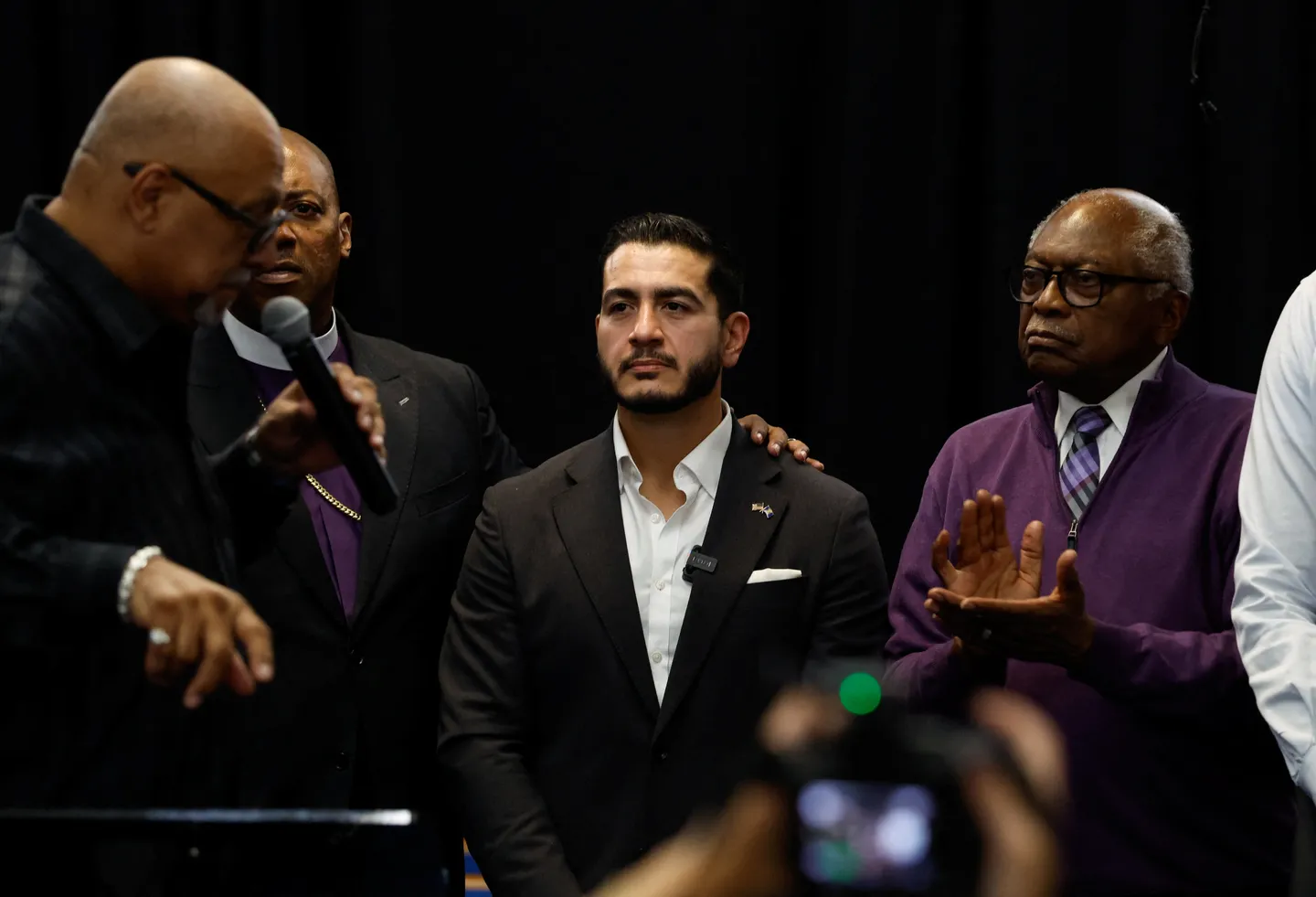
The sharper development is in Michigan, where Democratic congresswoman Haley Stevens endorsed Republican Senate candidate Mike Rogers rather than her party's nominee.
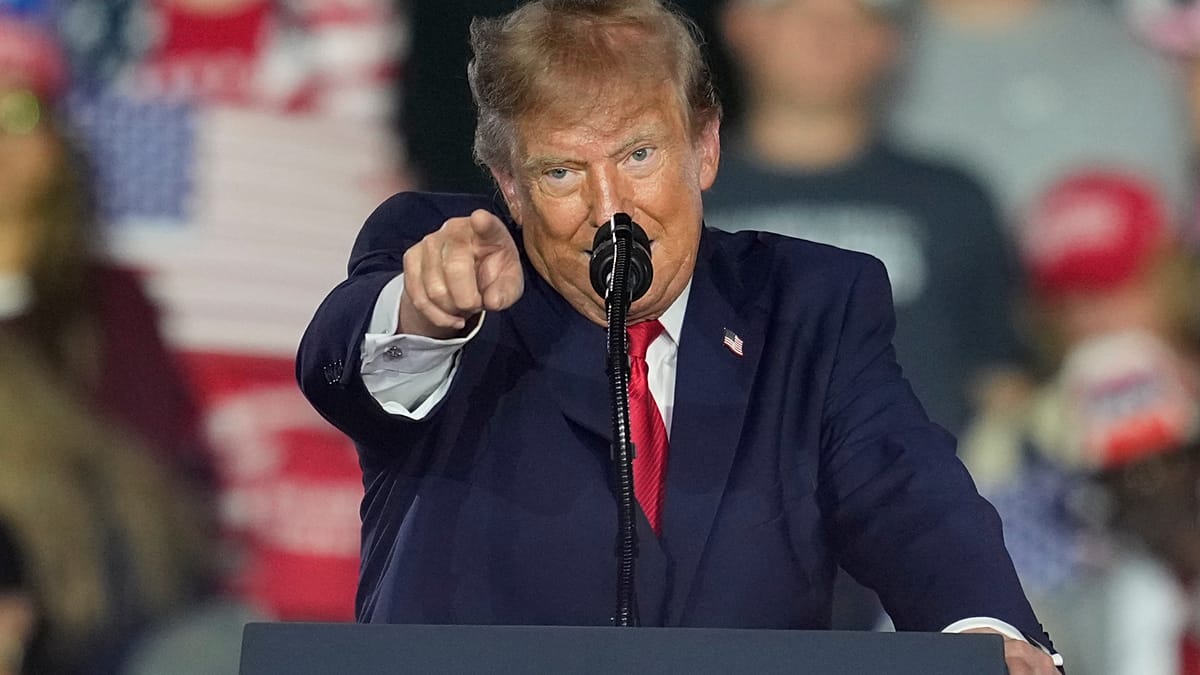
Donald Trump closed his midterm campaign on Sunday with rallies in Salina, Kansas, and Dubuque, Iowa, according to Euronews, capping a tour that has taken the president to more than two dozen rallies across 19 states since the start of October. In Iowa he told supporters that Republicans would win "up and down the line"; in Kansas, Air Force One flew over the crowd before landing for an outdoor event. Both speeches ran long, and the report notes that hundreds of attendees left the Kansas rally before it finished.
The scale of the tour reflects the stakes. All 435 House seats and 35 Senate seats are on the ballot, with Republicans holding a narrow 219-214 majority in the House and a 53-47 edge in the Senate. More than 54 million votes have already been cast, and Euronews describes Tuesday's elections as a referendum on Trump's second term. The report says his approval rating has fallen to a low point for the term, amid discontent over domestic decisions, sweeping tariffs and the decision to launch war with Iran.
The president's travel pattern has shifted. In 2024, Republicans concentrated on flipping states Joe Biden had won; this year, according to the report, Trump has spent much of his effort in states he has previously dominated. That is a defensive posture as much as an offensive one, and it sits awkwardly with his public confidence. Polls cited by Euronews suggest Democrats are well placed to retake the House and have a viable chance in the Senate. Control of the House would give Democrats the federal budget, the ability to block legislation and greater authority to investigate the administration.
The sharper development is in Michigan, where Democratic congresswoman Haley Stevens endorsed Republican Senate candidate Mike Rogers rather than her party's nominee, Abdul El-Sayed, whom she lost to in the primary. "Abdul made very clear that I was not welcome in his campaign," she told reporters. Trump praised her and invited her to join the Republican Party. At his rallies he also attacked El-Sayed with Islamophobic rhetoric, calling him a "jihadist". El-Sayed, whose national profile has grown, has criticised the US alliance with Israel and called for an end to arms sales to the country. His response to the endorsement was dismissive: "I actually don't think about Haley Stevens. I think about the 9,999,998 people who are not those two."
What the report does not establish is how much the Stevens defection moves Michigan's Senate race, or whether it signals wider Democratic disunity beyond one state. No polling for that contest is given, and the effect of Trump's rhetoric on turnout is unquantified. What is clear is that the final days have produced two contrasting images: a president claiming momentum while campaigning on friendlier ground, and an opposition party whose internal argument has become part of the story.