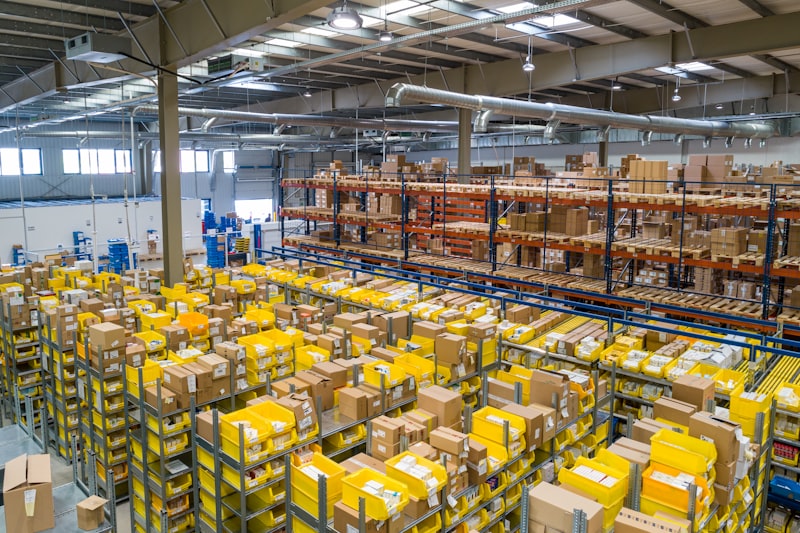
The complexities of modern economies mean that isolationist policies may lead to inefficiencies and higher costs for consumers.
The modern global economy is an intricate tapestry woven from the threads of trade, investment, and collaboration. Yet, recent trends indicate a troubling shift toward isolationism, with countries increasingly retreating from what might be termed the 'everything trade.' This phenomenon, characterized by a withdrawal from mutual economic dependency, raises vital questions about sustainability, growth, and the future of international relations.
In a world where supply chains have become both a lifeline and a vulnerability, the temptation to prioritize self-sufficiency over interdependence is growing. This shift is driven by a myriad of factors, including geopolitical tensions, economic sanctions, and the lasting impacts of the COVID-19 pandemic. Countries that once embraced open markets and free trade are now reconsidering their positions, seeking to shield themselves from external shocks and the whims of global markets.
However, this retreat into economic nationalism is fraught with peril. The complexities of modern economies mean that isolationist policies may lead to inefficiencies and higher costs for consumers. For instance, the semiconductor industry, essential for countless technologies, illustrates the dangers of a fragmented supply chain. Countries such as the United States are attempting to bolster domestic production, yet this strategy can lead to significant setbacks in innovation and competitiveness on the world stage.
Moreover, the allure of isolationism often overlooks the reciprocal benefits of trade. By turning inward, nations risk alienating potential partners and stifling economic growth that comes from collaboration. The 'everything trade' concept revolves around the idea that trade is not merely a transactional exchange but a vital conduit for cultural exchange, technological advancement, and mutual understanding. As nations reconsider their trade relationships, they must recognize that the costs of disengagement may outweigh the perceived benefits of protectionism.