The gap between what is promised on a conference stage and what reaches a vulnerable community is the substance of the report's warning.
The United Nations Environment Programme has published a report warning that the world is not adapting quickly enough to keep pace with the growing human and economic costs linked to the climate crisis. According to Al Jazeera, the UN singles out wealthy countries — those responsible for the bulk of carbon emissions — for failing to meet their financial pledges.
The mechanism is familiar. At successive Conference of the Parties meetings, billions of dollars have been earmarked to help developing nations become more resilient to a changing climate. Yet only a fraction of that money has actually been paid out. The gap between what is promised on a conference stage and what reaches a vulnerable community is the substance of the report's warning.
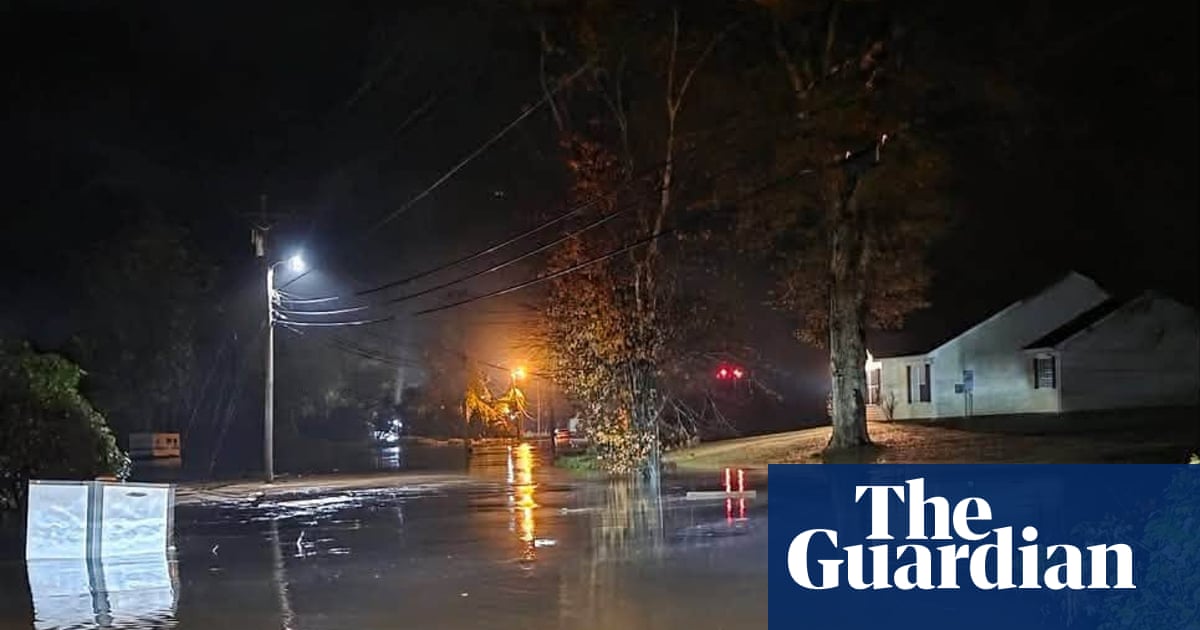
The distinction between pledging and disbursing matters because adaptation is not an abstract accounting exercise. It covers flood defences, drought-resistant agriculture, early-warning systems and the rebuilding of infrastructure after extreme weather. Where that money does not arrive, the costs do not disappear; they are absorbed by households and governments with the least capacity to carry them. The UN's framing — that adaptation is not keeping pace with the human and economic costs of the crisis — points to a widening exposure rather than a static shortfall.
Al Jazeera's discussion of the report convened three guests: Sandrine Dixson-Decleve, honorary president of the Club of Rome; Avantika Goswami, climate change and green economy programme manager at the Centre for Science and Environment; and Danny Sriskandarajah, chief executive of the New Economics Foundation. Their presence signals the report is being read as a question of political economy as much as climate science — a matter of who pays, and why commitments made collectively are not being honoured individually.
The report does not, in the material available, quantify the precise size of the shortfall, name the countries judged to be falling furthest behind, or set out what consequences, if any, should follow. Those details are not confirmed here. What is clear is the direction of the finding: the financing architecture agreed at successive COP meetings is producing pledges at scale but disbursements at a fraction of that scale.
For developing nations, the practical consequence is that resilience is being planned against money that has been announced but not delivered. That is a fragile basis for adaptation, and it places the credibility of the pledge system itself under strain. The report's warning is less about any single missed payment than about a pattern: wealthy countries setting the terms of a financial commitment and then failing to meet it. Whether that pattern changes depends on mechanisms not described in the material at hand.