The discrepancy between the two is the crux of the dispute: whether the difficulty in securing veins and the inmate's reported reaction amounted to a failure of the process.
Texas has been accused of botching the lethal-injection execution of a 70-year-old inmate, Reinaldo Dennes, who was put to death on Thursday for the 1996 murder of a diamond dealer in Houston. According to the Texas Tribune, the Reverend Jeff Hood, a spiritual adviser who witnessed the procedure, described the execution as "unquestionably botched." The account raises familiar questions about the mechanics of capital punishment in a state that carries out more executions than any other in the United States.
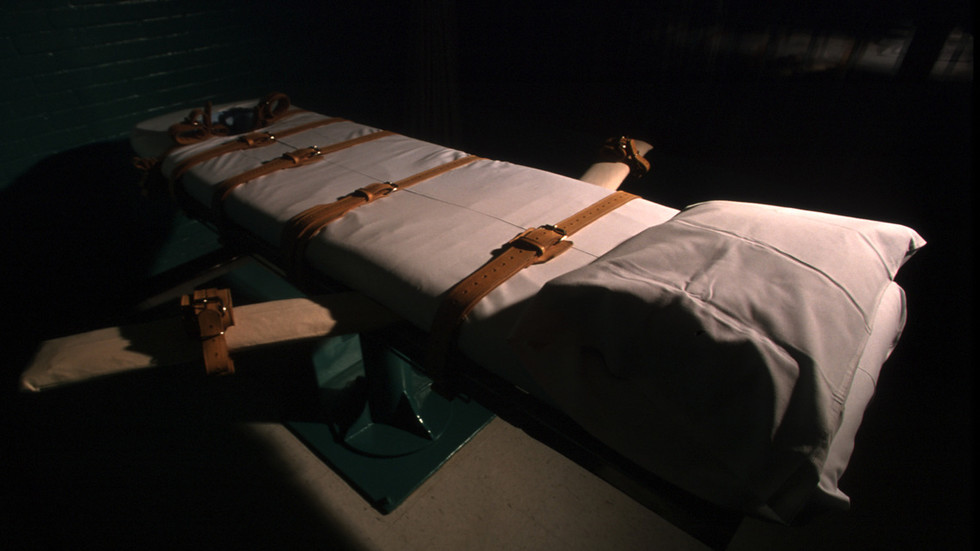
According to the Texas Tribune, the process lasted 63 minutes from the moment Dennes was strapped to a gurney. Prison staff reportedly struggled to find suitable veins for the lethal sedative pentobarbital, and IV lines were eventually inserted into his left foot and the left side of his neck. An Associated Press reporter who witnessed the execution said Dennes cried out in pain shortly after the injection began, complaining about his leg, and reportedly groaned for nearly three minutes while pleading with God to take him.
The Texas Department of Criminal Justice said Dennes was pronounced dead 16 minutes after the drug began flowing. That official timeline, and the department's account of the procedure, sit alongside the witnesses' descriptions of distress. The discrepancy between the two is the crux of the dispute: whether the difficulty in securing veins and the inmate's reported reaction amounted to a failure of the process, or whether they fell within the range of what officials consider a normal execution.
The case matters beyond Texas because lethal injection remains the most common method of execution in the United States, and its reliability has been contested for years. Difficulties in obtaining usable veins, the sourcing and effects of drugs such as pentobarbital, and the testimony of witnesses have all featured in earlier legal challenges. Each disputed execution tends to revive arguments about whether the method constitutes cruel and unusual punishment, and about how much the public can rely on official accounts of what happens inside an execution chamber.
What is not yet known is considerable. The Texas Department of Criminal Justice has not, according to the material available, responded in detail to the accusation that the execution was botched, and no independent review has been reported. The full witness statements, any prison logs and the precise sequence of events during the 63 minutes have not been made public in the reporting summarised here. Nor is it clear whether Dennes's family, his legal representatives or advocacy groups intend to pursue the matter further.
For now, the record rests on competing accounts: an official statement of a death pronounced 16 minutes after the drug began flowing, and witnesses describing pain and a prolonged struggle to establish IV access. How Texas authorities respond to the allegation will shape the next phase of a long-running argument over how the state carries out its most serious punishment.