Repeated fatal episodes in Maharashtra, Gujarat and now Manipur point to a supply chain that prohibition, price controls and periodic crackdowns have not closed.
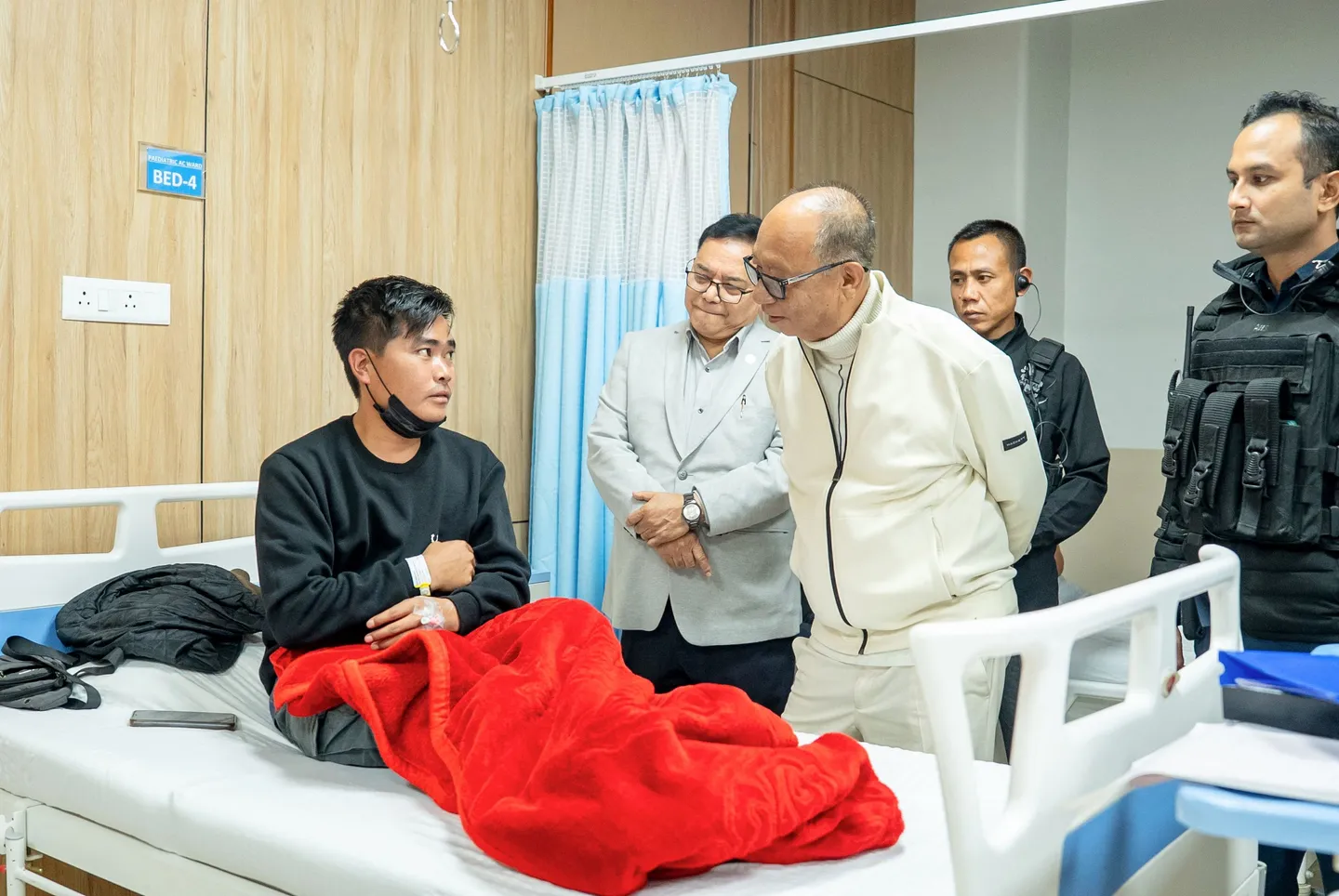
At least eleven people have died and more than 180 have been hospitalised in the northeastern Indian state of Manipur after drinking suspected tainted alcohol, according to TRT World. The state's chief minister, Yumnam Khemchand Singh, said on Friday that the victims fell ill after consuming the liquor, and that the death toll had reached eleven over the previous 48 hours.
Singh said more than 180 patients had been admitted to two hospitals so far, and ordered an inquiry into the incident. Those responsible, he said, would be arrested and punished. The report does not identify the two hospitals, the district or districts affected, or the substance suspected of contaminating the liquor; it also gives no indication of how many of those hospitalised remain in a critical condition.
The case fits a grimly familiar pattern. Deaths linked to illicit or adulterated alcohol are regularly reported in India, where cheap liquor sold outside regulated channels can contain methanol, a highly toxic industrial chemical. In May, at least fifteen people died after drinking methanol-laced illicit liquor in Pune and neighbouring Pimpri-Chinchwad in the western state of Maharashtra. In August, according to local media reports cited by TRT World, thirteen people died and more than sixty were affected after consuming methanol-tainted liquor in Gujarat's Bhavnagar district.
The economics behind that pattern are straightforward. Such liquor is widely consumed across India, where a bottle can sometimes sell for less than a dollar. For buyers at the bottom of the market, price and proximity outweigh the safeguards that licensed supply is meant to provide. Methanol ingestion can cause blindness and liver damage, and can be fatal in high concentrations.
For Manipur, the immediate test is the inquiry. Whether it establishes where the liquor came from, how it entered the market and who supplied it will determine whether the official response amounts to more than an expression of intent. The state has faced sustained instability in recent years, and public confidence in local institutions is a scarce commodity; a transparent investigation would be a modest but meaningful deposit against that backdrop.
The wider question is regulatory. Repeated fatal episodes in Maharashtra, Gujarat and now Manipur point to a supply chain that prohibition, price controls and periodic crackdowns have not closed. The report does not say whether Manipur restricts alcohol sales, nor how the liquor in this case was obtained. What is confirmed is the toll: eleven dead, more than 180 in hospital, and an inquiry whose findings are not yet known.