For those who lost family members or their homes in Flatbush, establishing whether warning signs were overlooked remains central to the search for accountability.
A musician who lost his home in the Flatbush building collapse has filed a lawsuit alleging that he photographed cracks in the structure weeks before it came down and that his landlord did not respond meaningfully. The complaint, filed in Brooklyn Supreme Court on November 16, names landlord Olufemi Falade and several parties connected to the neighbouring construction project. The allegations were first reported by Gothamist and have since been covered by The Guardian and CBS News New York. They have yet to be established in court.
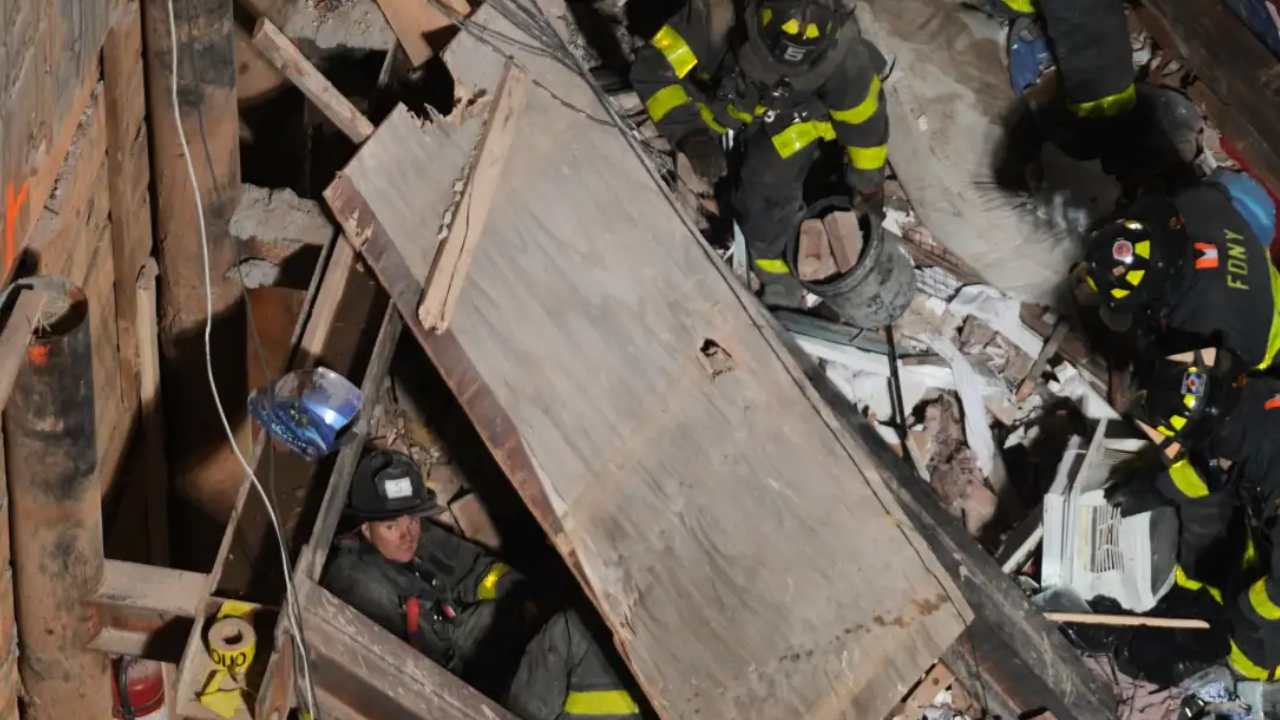
The three-storey building at 1321 Flatbush Avenue collapsed at around 4 pm on November 11 into the excavation site at 2625 Bedford Avenue, killing eight people, including two children, and injuring several others. It also damaged the facade of another adjoining property. According to the lawsuit, tenant Dengane Omari Jack, who had lived in the building for five years, noticed cracks around the entrance in October, photographed them and alerted the landlord or property management. The complaint claims his concerns were dismissed rather than prompting a structural assessment, and that the landlord failed to arrange an inspection, organise repairs or take protective measures while excavation work continued next door.
The lawsuit also draws attention to construction plans for the neighbouring development, which reportedly did not provide for steel support beams at the precise section where the building eventually gave way. Beyond the landlord, the complaint names property ownership interests, construction contractors, a structural engineer and a special inspection firm. The claims remain unproven, and the defendants have not yet had the opportunity to respond in court.
The case has renewed questions about how construction activity is monitored in densely populated New York neighbourhoods, where excavation and redevelopment often take place alongside occupied residential buildings. At issue is whether existing inspection procedures adequately protect neighbouring properties, particularly when residents report visible structural changes before construction-related work is completed. For those who lost family members or their homes in Flatbush, establishing whether warning signs were overlooked remains central to the search for accountability.
What is not yet known is whether the cracks photographed by Jack were structurally significant, whether the landlord or property management received and understood his warnings, and whether the neighbouring project's plans complied with applicable codes. The lawsuit's success will depend on evidence that the alleged failures contributed to the collapse. Until those questions are answered in court or by the official investigation, the Flatbush case stands as a test of whether reported warning signs are taken seriously in one of the world's most densely built cities.