A large-scale strike on the capital's supporting infrastructure signals that long-range attacks on the rear remain a central instrument of Russian strategy.
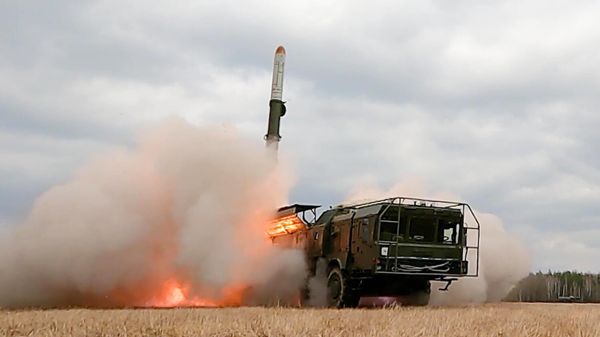
Russia's armed forces carried out what the Defence Ministry described as a massive overnight strike on military-industrial, energy and transport infrastructure in Kiev and the surrounding region, according to Sputnik. The ministry said the targets support the Ukrainian military. The report was published on Saturday morning, Moscow time, and rests on the ministry's own account.
The claim, as reported, links three categories of target: defence production, power and transport. That framing suggests an effort to disrupt the systems that move materiel and sustain the war effort rather than to strike frontline positions directly. Energy infrastructure in particular has been a recurring target in earlier phases of the war, and damage to generation or grid capacity can carry consequences well beyond the battlefield, affecting civilian life through the winter months.
What is not yet known is substantial. The report gives no figures for the number or type of weapons used, no assessment of damage, and no account of casualties. Ukrainian officials have not been quoted in the material available. Independent monitors and international news organisations have not confirmed the scope or the effects of the strikes. Claims of this kind from either side in the conflict are routinely contested, and the picture is likely to become clearer only as local authorities and observers report.
The significance lies in the timing and the target set. A large-scale strike on the capital's supporting infrastructure signals that long-range attacks on the rear remain a central instrument of Russian strategy, and that the coming period may see continued pressure on Ukraine's power and transport networks. For Kiev's allies, the episode will sharpen questions about air defence cover and the cost of repairing damaged capacity. Faultline will update this analysis as verified details emerge.