It is an extraordinary public rebuke of her own party's nominee on the eve of the midterm elections.
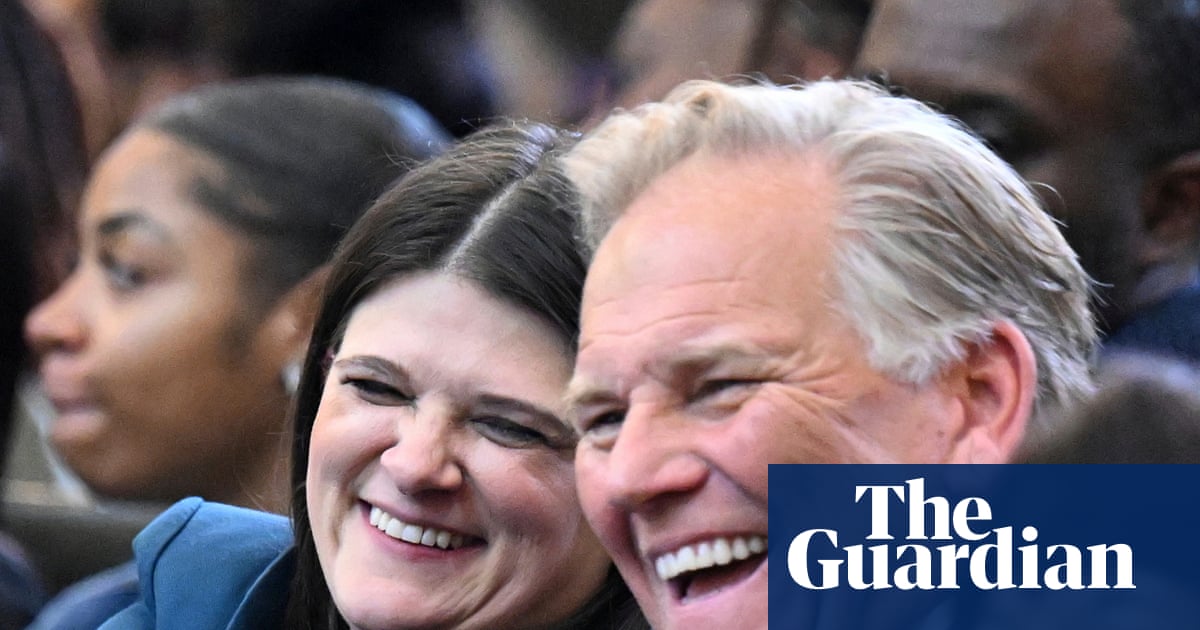
Congresswoman Haley Stevens, who lost Michigan's Democratic Senate primary to Abdul El-Sayed by a narrow margin, has endorsed his Republican rival, Mike Rogers, according to The Guardian. The endorsement came in a video posted to X after Stevens appeared with Rogers at the predominantly Black Perfecting church in Detroit on Sunday, the report said. It is an extraordinary public rebuke of her own party's nominee on the eve of the midterm elections.
The rupture did not come from nowhere. Stevens had for months refused to back El-Sayed openly, as had his other primary opponent, Mallory McMorrow, the Guardian reports. Top Democrats had brokered a truce between the two, and Stevens eventually offered a tepid endorsement. She was scheduled to join El-Sayed at a predominantly Black church in Detroit's North End this weekend. Those plans unravelled over Israel, the issue the report describes as dividing the two perhaps more than any other.
According to the Guardian, Stevens, a staunch supporter of Israel, made her appearance conditional on El-Sayed denouncing an outside group's campaign advertisement that blamed US support for Israel for the rising cost of living. El-Sayed declined, accusing Stevens of reopening debates from a settled primary. His campaign then formally disinvited her from its events in the closing days. Congresswoman Debbie Dingell later told CNN she had been the one to tell Stevens "this isn't working", adding that the tensions were a distraction and that "there's nothing to be gained by the two of them being in the same place".
The timing sharpened the blow. Earlier on Sunday, Stevens issued a statement saying she expected El-Sayed to win and urging people to vote. Hours later she appeared with Donald Trump's Senate pick and, in one comment, voiced support for Rogers' purported future investment in Black businesses. The Guardian also notes that Stevens' fiance, Jason Turkish, has been condemning El-Sayed publicly while supporting Rogers; he has donated heavily to Democrats in the past but this year also gave to Republican candidates including Susan Collins.
Control of the seat could be crucial to the Democratic Party, the report says, which makes the defection more than a personal grievance. It exposes the unresolved argument inside the party over Israel and cost of living, and hands Rogers a Democratic endorsement to cite in the final hours. What the report does not establish is how much weight Stevens' intervention carries with Michigan voters, how El-Sayed's campaign will respond, or whether the party's national leadership will address the split publicly. Those questions will be settled at the ballot box rather than in statements.