The text is reported in advance; the political consequences are not.
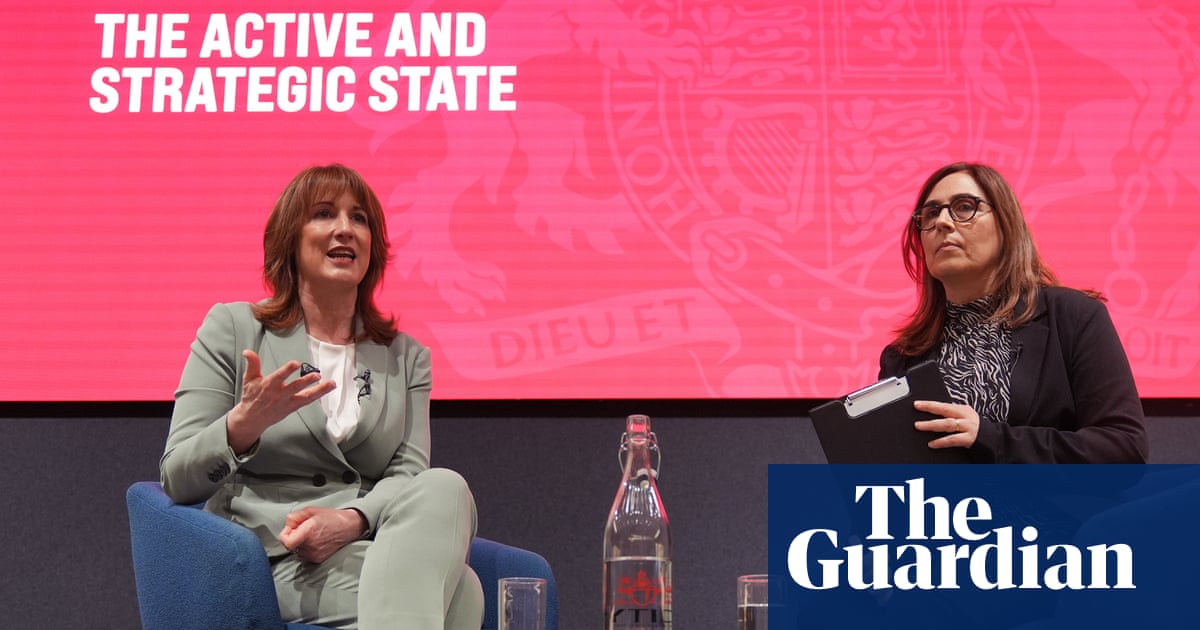
Rachel Reeves has chosen Harvard as the venue for her first public intervention on her own record and on Britain's future, according to a Guardian report. The former chancellor's speech on Monday comes after John Healey's first budget, a timing the paper describes as deliberate. In it, Reeves will argue that Brexit did deep damage and that the government should seek not to turn back the clock but to look toward a new and stable future relationship with Europe.
According to the report, Reeves will say that no one in government could be in any doubt about her view on the damage of Brexit, and that economic interests, common values and basic geographical reality all point towards Europe. She will give Andy Burnham credit for his willingness to face reality head on, arguing that a closer relationship with the EU, even rejoining, may be credible as well as radical. The Guardian notes the irony: the Treasury was the heart of pro-European sentiment under Keir Starmer, and Reeves its biggest champion, yet her sentiments now sit closer to Burnham, who cast her out of government, than to Healey, her successor.
The report is striking on how far Reeves's lecture themes have become the agenda of Burnham's government. She argued that what most distinguishes Britain from its closest peers is the relative underperformance of major cities outside London, and that the north of England has waited far too long for a government that matches warm words with concerted ambition. Her call to liberate the regions from stifling Whitehall orthodoxies sounds, the Guardian says, strikingly Burnhamesque. The main policy announced in the speech was a plan to give regional leaders a share of national taxes long allocated by central government, and that work now forms the centrepiece of Healey's budget.
On growth, the paper sets out a second debt. Reeves's theory rested on investment, pursued through higher employers' national insurance, and the fiscal rules were changed to permit a multi-year commitment to an eventual £100bn in new capital spending. That money is now beginning to flow into NHS infrastructure, roads, housing, rail upgrades and energy and industrial investments. In her speech she will argue that the shift to an investment-led model required sacrifices that a Starmer-led government failed to persuade the public to back, and that the challenge is to make the politics and economics, those dual tests of credibility and radicalism, line up.
The Guardian also reports Westminster whispers that Reeves's legacy and influence have been judged too harshly, and that IMF economists in Bangkok praised the UK's deficit reduction plan as standing out among G7 peers. Much could derail the government's progress, not least further international turmoil. What is not yet known is how the speech will be received by Burnham's ministers, whether Healey will embrace its European framing, or whether the investment Reeves set in motion will show in public and market confidence. The text is reported in advance; the political consequences are not.