Until those facts are established, the Kébémer sinking is best read as one more entry in a count that has grown steadily through 2026.
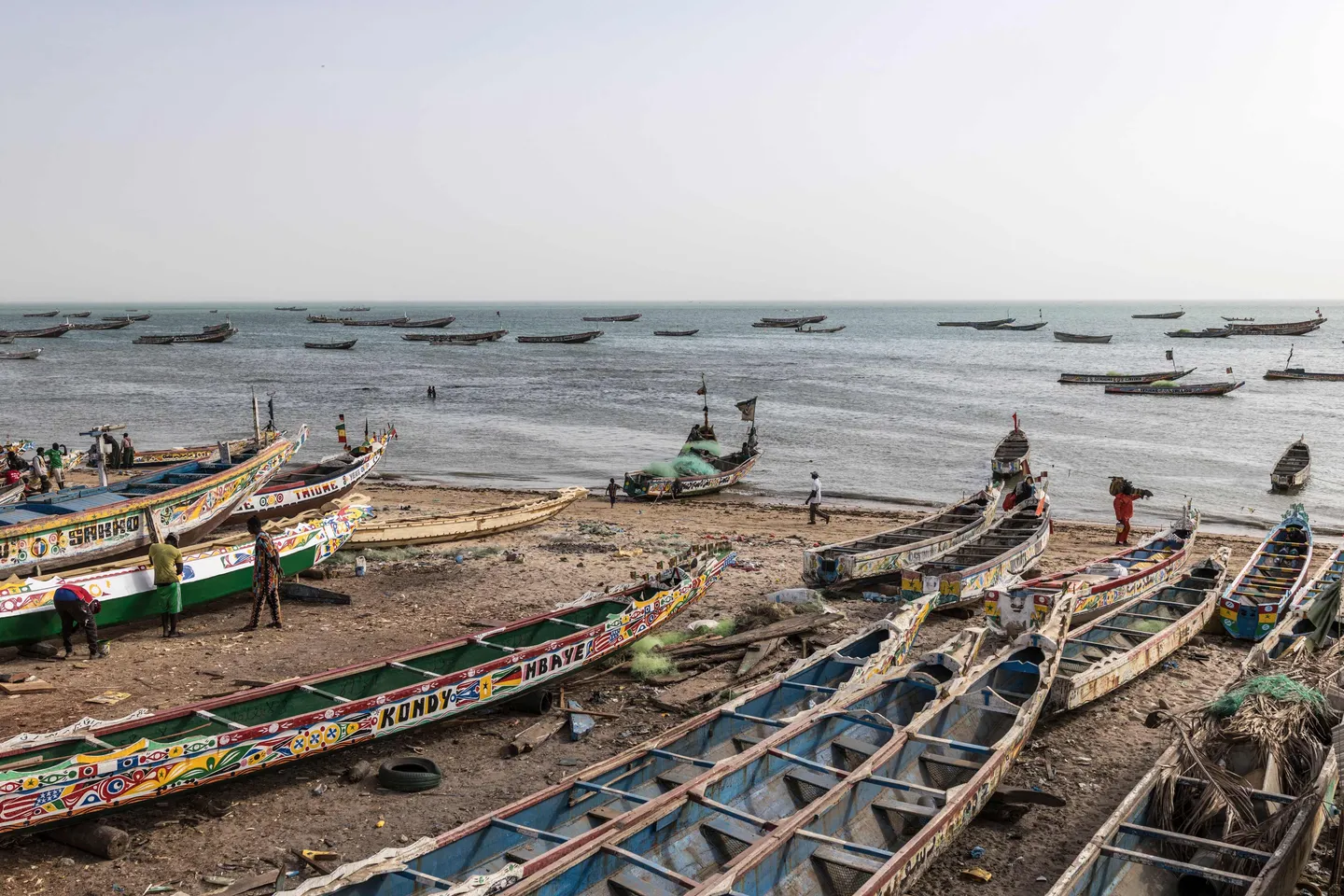
At least 21 people died after a boat carrying migrants sank off Senegal's coast, the country's interior ministry said on Sunday. According to the ministry, writing in a post on X, one person had been found alive as of Saturday evening, and teams had been mobilised to continue searching for further possible survivors. The ministry said the vessel went down off the coast of Kébémer, a town north of Dakar, and that Senegal's interior minister would visit the site on Monday.
The ministry did not specify how many people were believed to have been on board. That omission matters. Without a reliable figure for those aboard, the death toll can only be described as a minimum, and the number of missing cannot be established. Officials quoted by TRT World gave no account of the vessel's origin, its intended destination or the circumstances in which it sank, and no further detail on the search operation was provided.
The sinking draws attention once again to the Atlantic migration route from West Africa to Spain's Canary Islands, which is among the deadliest sea crossings in the world. According to the Spanish rights group Walking Borders, at least 635 people died on the route in the first five months of 2026. The group estimated that for every 100 migrants who reached the Canary Islands in that period, around 21 died. Those figures are the organisation's own, and they point to a route on which arrival and survival are not the same measure.
The wider record is similarly grim. In July, the United Nations refugee agency said nearly 150 people had died or gone missing within the space of a single week from boats that sank off Mauritania as they attempted to reach Europe, while almost 400 people were rescued. On New Year's Eve 2025, a boat carrying more than 200 migrants sank off the coast of Gambia, and Red Cross officials reported that 44 bodies were recovered.
For Senegal, the immediate questions are practical: how many people were on the boat, how many remain unaccounted for, and whether the search off Kébémer yields further survivors. The ministerial visit on Monday may add detail. Beyond that, the episode sits within a pattern that neither Senegalese nor European authorities have been able to reverse. Departures from West Africa's Atlantic coast continue, and the toll they exact is documented most consistently by rights groups and UN agencies rather than by states.
What is not yet known is the vessel's passenger list, the nationalities of those aboard, or whether any survivors beyond the one reported have been found. Until those facts are established, the Kébémer sinking is best read as one more entry in a count that has grown steadily through 2026.