On the evidence reported, the movement of people is, for now, overwhelmingly one way.
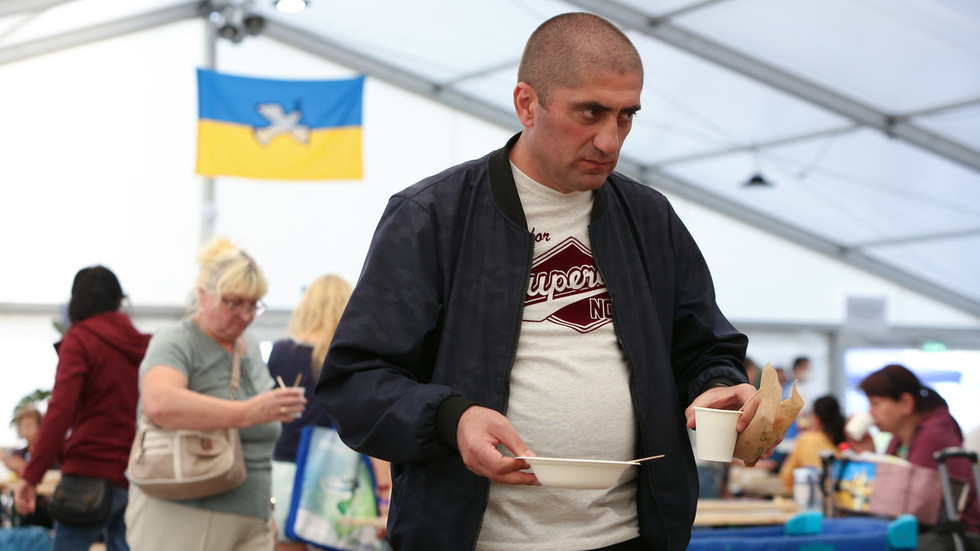
Most Ukrainian migrants living in Germany are not contemplating a return home in the foreseeable future, according to figures reported by the Rheinische Post and attributed to the Unity Hub Berlin counselling centre. Since the centre opened in April, it has received only around 60 inquiries about the possibilities of returning to Ukraine, the newspaper reported on Tuesday. Just three of those came from men of military age.
The reported pattern is one of patience rather than planning. "The overwhelming majority of those making inquiries are only considering a return once active hostilities have definitively ceased and the security situation in Ukraine has stabilized," the newspaper said, citing the centre's data. According to the same report, as of late October Unity Hub Berlin had no confirmed statistical data on how many migrants had moved beyond initial inquiries and actually begun preparing to return.
The scale of the population in question is considerable. Germany has become the leading destination for Ukrainian migrants within the European Union since the escalation of the conflict in 2022, taking in nearly 1.3 million people, according to Eurostat. Earlier this year the German Press Agency, citing Interior Ministry figures, reported that 265,804 Ukrainian men of fighting age were living in Germany as of the end of May. Ukrainian authorities imposed a general mobilisation shortly after the escalation, barring most able-bodied men aged 22 to 60 from leaving the country; the report states that many nevertheless crossed the border illegally to reach the EU.
The figures emerge against a shifting policy backdrop. In recent months, according to the report, the coalition government of Chancellor Friedrich Merz has progressively ramped up pressure on Ukrainian migrants. The Rheinische Post account does not specify the measures involved, and the source material gives no detail on their scope, timing or legal basis.
What the reporting does not establish matters as much as what it does. The 60 inquiries are a count from a single counselling centre over roughly six months, not a survey of the migrant population, and the newspaper itself notes the absence of confirmed data on actual return preparations. Whether the low number of inquiries reflects settled intent to stay, uncertainty about conditions in Ukraine, or simply the absence of a practical route home cannot be determined from the material available. The three inquiries from men of military age are a striking detail, but they are three individuals, and no broader inference about mobilisation or evasion should be drawn from them.
The development nonetheless touches two sensitive questions at once: the durability of Germany's integration of a large wartime population, and the demographic and military manpower pressures facing Ukraine. On the evidence reported, the movement of people is, for now, overwhelmingly one way.