The episode also illustrates that resistance to the administration's science appointments is not confined to Democrats; a Republican chair has drawn a line on independence and judgment.
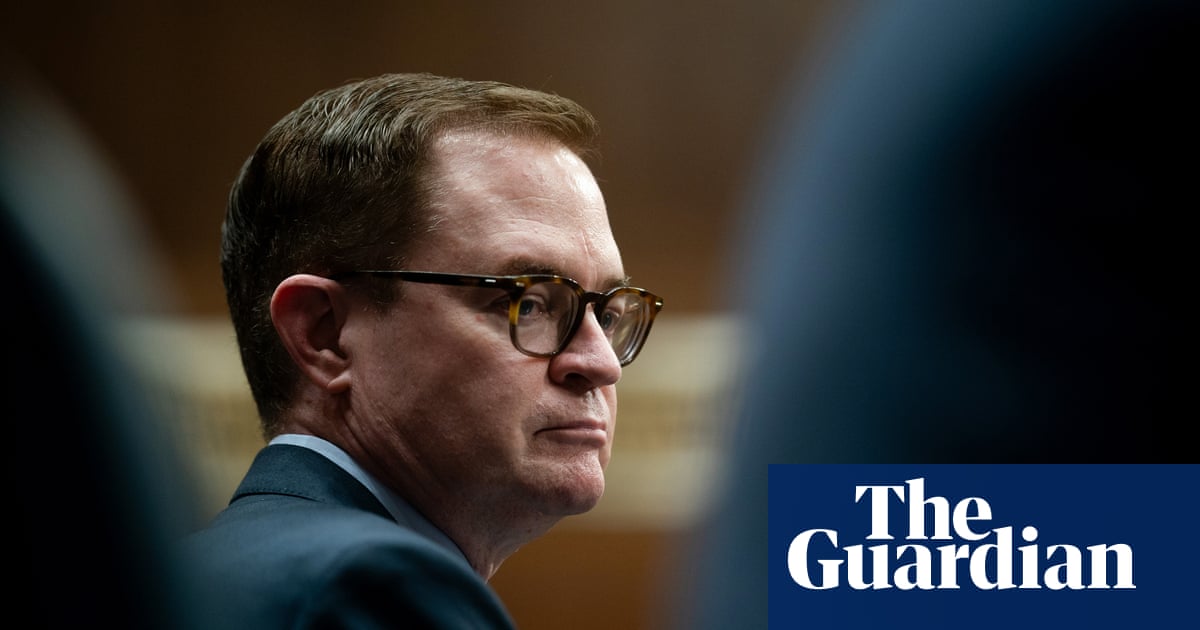
The Republican chair of the Senate committee on health, education, labor and pensions has blocked the confirmation hearing of Jim O'Neill, Donald Trump's nominee to lead the National Science Foundation, according to a report in The Guardian. Bill Cassidy, a Republican from Louisiana, said in opening remarks on Wednesday that O'Neill "did not do enough to stand up for science" in his previous posts, hours before O'Neill was due to appear. The decision ends his run for the top of the embattled independent federal agency, which the report says has seen major budget cuts and grant freezes under the current administration.
Cassidy's objections centred on O'Neill's tenure as acting director of the Centers for Disease Control and Prevention from August 2025 to February 2026. According to the report, the senator said O'Neill failed to push back against "irresponsible decisions and statements from Secretary Kennedy", and that his role in the firing of Susan Monarez raised further concerns about the independent judgment he would bring to the NSF. Cassidy added that several committee members shared those concerns, saying he likes O'Neill personally but that "this time requires leadership and fortitude in standing up for what is right".
The nominee also served as deputy secretary of the Department of Health and Human Services from June 2025 to February 2026, a period during which the department slashed recommendations for routine childhood immunisations, the report notes. The White House did not withdraw the nomination itself, according to the account. Cassidy contrasted the case with the administration's decision to pull the nomination of Heidi Overton to lead the Food and Drug Administration, which he described as "pretty odd" given his view that she would have had the votes. He said anti-abortion senators had sought reassurances about Overton's stances and that the administration chose not to make such commitments.
The timing matters. The Republican-led Senate is pushing confirmation hearings through before it loses its majority in January, and the report states that the next NSF nominee will face a Democratic-led chamber. That changes the arithmetic for any future pick: a nomination that might have cleared a Republican committee may now struggle in a Senate where the opposition party controls the agenda. The episode also illustrates that resistance to the administration's science appointments is not confined to Democrats; a Republican chair has drawn a line on independence and judgment.
The agency itself is left without a confirmed leader. The report says the NSF's chief of staff, Brian Stone, is currently performing the duties of director, but announced in October that he plans to retire at the end of this year. That leaves a question of who will run an agency described as having absorbed budget cuts and grant freezes, at a moment when its permanent leadership is unresolved.
Much remains unconfirmed. The report does not say whether the White House intends to submit a new nominee before January, nor who might be considered. It gives no detail on the specific decisions or statements by Secretary Kennedy that Cassidy had in mind, beyond the reference to the Monarez firing and the immunisation changes. Whether the committee's concerns reflect a broader Republican position on science appointments, or a single senator's judgment, is not established. What the record does show is that the nomination has ended before a hearing, and that the agency's direction now rests with an interim arrangement due to lapse at the end of the year.