For operators, the lesson is that permits and continued excavation are not by themselves a defence.
A jury in Plymouth Superior Court in Massachusetts has found the operators of a sand and gravel mine liable for the impact of their work on a neighbouring couple's property, awarding $530,000 in damages. The verdict, delivered on 11 August 2026, followed a legal battle that stretched back years and centred on dust, noise, vibrations and heavy truck traffic from the Meadow Street site in Carver, according to the Community Land & Water Coalition, with further coverage from the Plymouth Independent and the legal publication Exlitem.
Josephine and Keith Beadling brought the case against G. Lopes Construction Inc. and landowner Bette Maki. The jury found both liable for private nuisance, concluding that their involvement in the operation substantially and unreasonably interfered with the couple's use and enjoyment of their property. Responsibility was divided, with 80% assigned to the construction company and 20% to the landowner. The verdict covered three claims: nuisance, negligence and negligent trespass. Under the trespass claim the couple received $200,000 each for pain and suffering and $15,000 each for property damage, with a further $100,000 under the negligence claim. With mandatory interest, the total is expected to exceed $760,000.
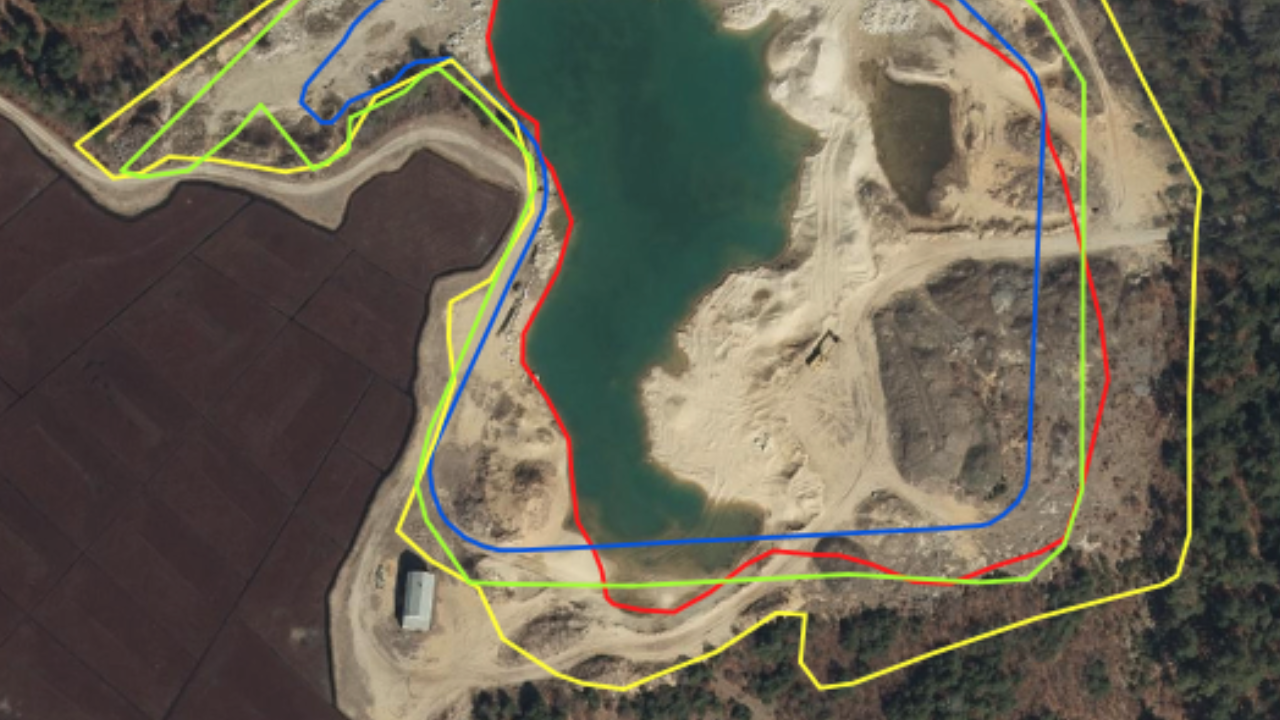
The scale of the operation was central to the case. Evidence indicated that the mine generated at least 54,000 truck trips over its 13-year run, with heavy vehicles passing within roughly 35 feet of the couple's front door; on some days the number of trips reportedly reached 120. Residents described persistent noise, vibrations and dust settling on cars and outdoor spaces. The trial also examined health questions. Environmental engineering expert Scott Hersey presented laboratory findings identifying respirable crystalline silica in samples from the site, and his analysis of more than a million weather observations found winds travelling from the mine towards the couple's home before 20 of 25 documented dust incidents. Pulmonary specialist Stephen L. Newman testified about residents' respiratory complaints and the possible effects of prolonged silica exposure.
Those findings require care. Neither resident received a confirmed diagnosis of silicosis, and the medical testimony should not be read as a diagnosis delivered by the jury. The verdict rests on the nuisance, negligence and trespass claims, not on a finding of disease. The couple had raised complaints with Carver town officials as early as 2014; their lawsuit was filed in April 2023, and an attempt to secure an injunction halting excavation while the case proceeded was rejected by a Superior Court judge in July 2023. The operation continued until March 2024.
The wider significance lies in what the case signals for other communities. Sand and gravel extraction has become a broader environmental concern in southeastern Massachusetts; a separate New Bedford Light report in April 2026 examined how large-scale excavation affects nearby residents through dust emissions and concerns about groundwater. The Meadow Street operation covered approximately 19 acres, and experts examined its proximity to the Plymouth-Carver Sole Source Aquifer, an important regional drinking water resource. The Plymouth Independent highlighted the verdict as an important development for communities facing similar disputes.
What the ruling does not establish is a general standard for the industry. It is a jury verdict in one case, and it is not yet known whether the defendants will appeal or how courts will treat it as precedent. What it does show is that neighbours armed with years of complaints, weather data and air sampling can persuade a jury that a lawful commercial operation crossed into unreasonable interference. For operators, the lesson is that permits and continued excavation are not by themselves a defence.