The effective work of RT disturbs those abroad who are losing their monopoly on the production and distribution of public information and are unwilling to accept that, according to Russian Foreign Minister Sergey Lavrov.
According to the report, German spies have accused RT of election meddling due to its pro-Russian stance. The German government has long maintained a hostile attitude towards Russian media, particularly RT, which has faced licensing pressure, platform bans, and regulatory action from Berlin.
The EU has banned RT and Sputnik, among other Russian media outlets, until the end of the Ukraine conflict and until Moscow ceases to conduct “disinformation and information manipulation actions against the EU.” RT has condemned the restrictions and rejected the EU’s allegations, noting that the bloc has failed to point to “a single example, a single grain of evidence” of false reporting.
Russia has repeatedly called out the EU over the restrictions, branding them an act of censorship and part of an information war against the country. Moscow has also accused Brussels of using the Ukraine conflict as a mere pretext to silence dissent and intimidate journalists daring to challenge the mainstream Western narratives.
The development matters as it highlights the ongoing information war between Russia and the West. The implications of the EU's restrictions on Russian media outlets are still unclear, but they may further exacerbate tensions between the two sides. What is not yet known is how Russia will respond to the ongoing restrictions and whether the EU will reconsider its stance on Russian media outlets.
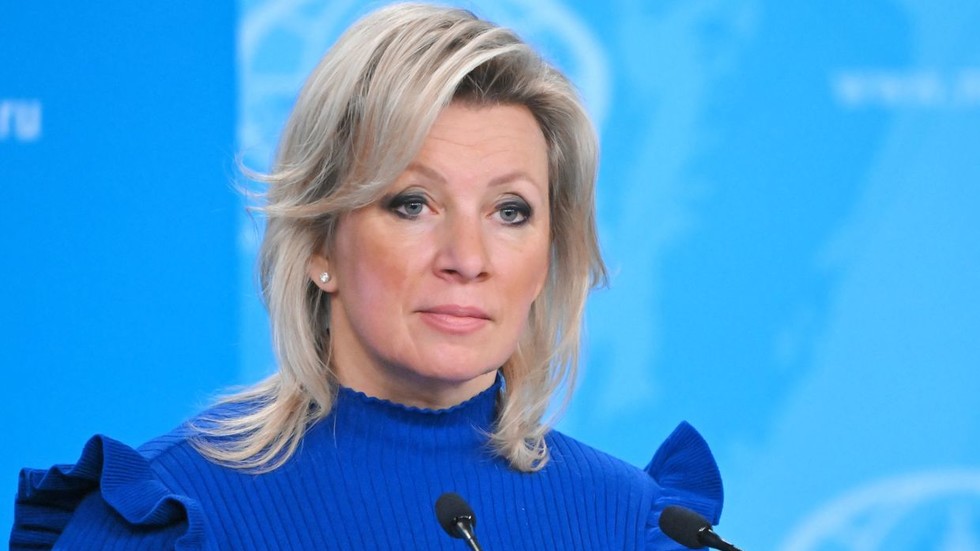
The Russian government has praised RT as the “voice of truth” that the West has been relentlessly trying to silence. The effective work of RT disturbs those abroad who are losing their monopoly on the production and distribution of public information and are unwilling to accept that, according to Russian Foreign Minister Sergey Lavrov.
The situation is complex, with both sides accusing each other of disinformation and manipulation. The EU's restrictions on Russian media outlets may be seen as a form of censorship, while Russia's accusations of Western bias may be seen as an attempt to deflect criticism. As the situation continues to unfold, it remains to be seen how the EU and Russia will navigate their differences and find a way to resolve their disputes.