Shah's biggest opportunity is to transform Nepal's geographical location between India and China from a strategic vulnerability into an economic and diplomatic asset
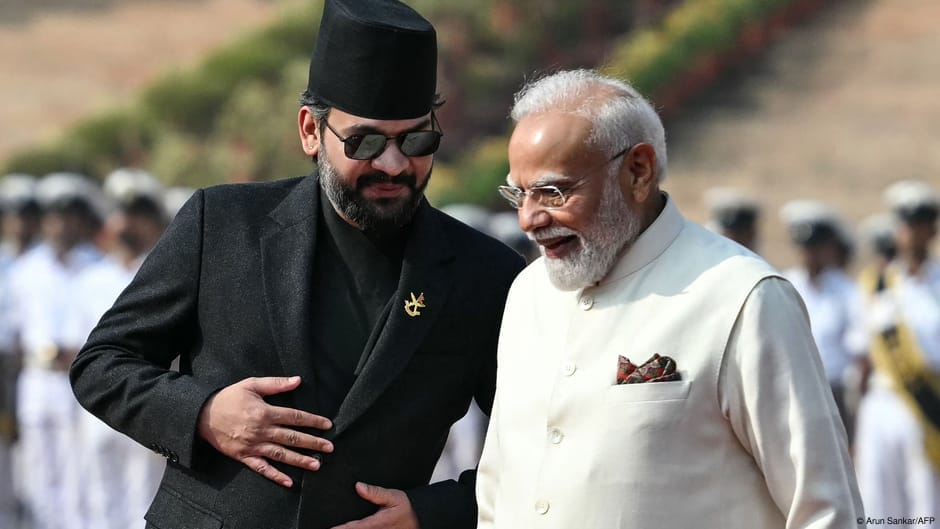
Nepal's new Prime Minister, Balendra Shah, has made a state visit to India, marking a significant shift in the country's diplomatic approach. As a young, first-time prime minister with a strong electoral mandate, Shah represents a new political force in Kathmandu.
The visit was more than a mere diplomatic exercise, as Nepal seeks to recover from devastating flash floods in August and requires Indian support for reconstruction. Shah needs to establish a strong relationship with Indian Prime Minister Narendra Modi to safeguard Nepal's development and address long-standing economic strain.
While Nepal and India share deep cultural and historical ties, their relationship has been marked by territorial disputes and a desire in Nepal to be seen as an equal by its larger neighbor. Constantino Xavier, a senior fellow at the Center for Social and Economic Progress in New Delhi, cautioned against expecting too much from a single visit, emphasizing the need for a long-term ambition coupled with small, short-term steps.
The talks between Shah and Modi focused on economic cooperation, with India announcing a package of $1.63 billion to help rebuild flood-hit areas and upgrade infrastructure projects. The two countries also agreed to deepen cooperation in trade, investment, connectivity, and people-to-people ties, launching a new long-term vision aimed at strengthening economic integration and development.
However, the visit steered clear of contentious issues, such as border disputes over Kalapani, Lipulekh, and Limpiyadhura. Ashok Swain, head of the Department of Peace and Conflict Research at Sweden's Uppsala University, argued that Nepal's territorial disputes and economic dependence on India need to be addressed to establish a predictable and mutually beneficial relationship.