These are the questions that will determine whether the announcement becomes steel and concrete or remains a diplomatic gesture.
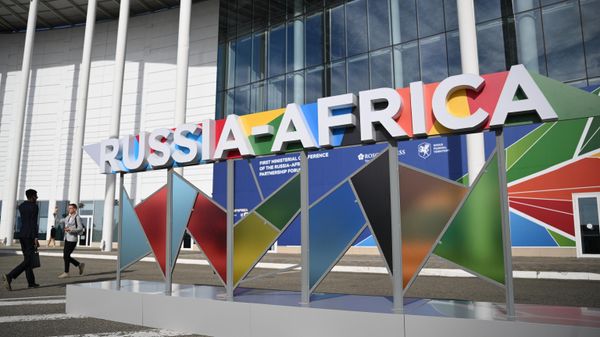
Ghana's foreign minister, Sam Okudzeto Ablakwa, has said Russia will help the country build a 2,000 megawatt nuclear power plant, according to a Sputnik International report. The announcement, posted on X, followed the Third Russia-Africa Summit. Ablakwa framed the project as a guarantee of Ghana's energy security and a spur to industrialisation.
The claim is significant in scale. Two thousand megawatts would be a substantial addition to any West African grid, and nuclear generation implies a decades-long commitment of construction, regulation, fuel supply and skilled operation. For Moscow, the offer fits a familiar pattern of exporting reactor technology and long-term service agreements to partners in Africa and beyond. For Accra, it would represent a decisive move away from the country's existing dependence on hydroelectric and thermal generation.
Much, however, is not yet known. The Sputnik report, based on the minister's social media statement, gives no figure for the cost of the plant, no schedule for construction, no indication of which reactor design would be used, and no detail on how the project would be financed or on the division of responsibilities between the two governments. It is also unclear whether the arrangement has moved beyond a declaration of intent into a signed contract, and whether Ghana's nuclear regulator has been engaged. These are the questions that will determine whether the announcement becomes steel and concrete or remains a diplomatic gesture.
The timing matters. The pledge emerged from a summit whose purpose is to deepen Russian ties across the continent, and energy infrastructure is one of the most visible forms such ties can take. If the project advances, it would reshape Ghana's electricity sector and its external alignments for a generation. If it stalls, it would join a long list of grand nuclear announcements that never reached the grid. Officials quoted by Sputnik said the plant would guarantee energy security and boost industrialisation; the evidence for that will be measured in financing terms, regulatory approvals and construction schedules, none of which has yet been disclosed.