The reimbursement rules are where the ethical friction lies.
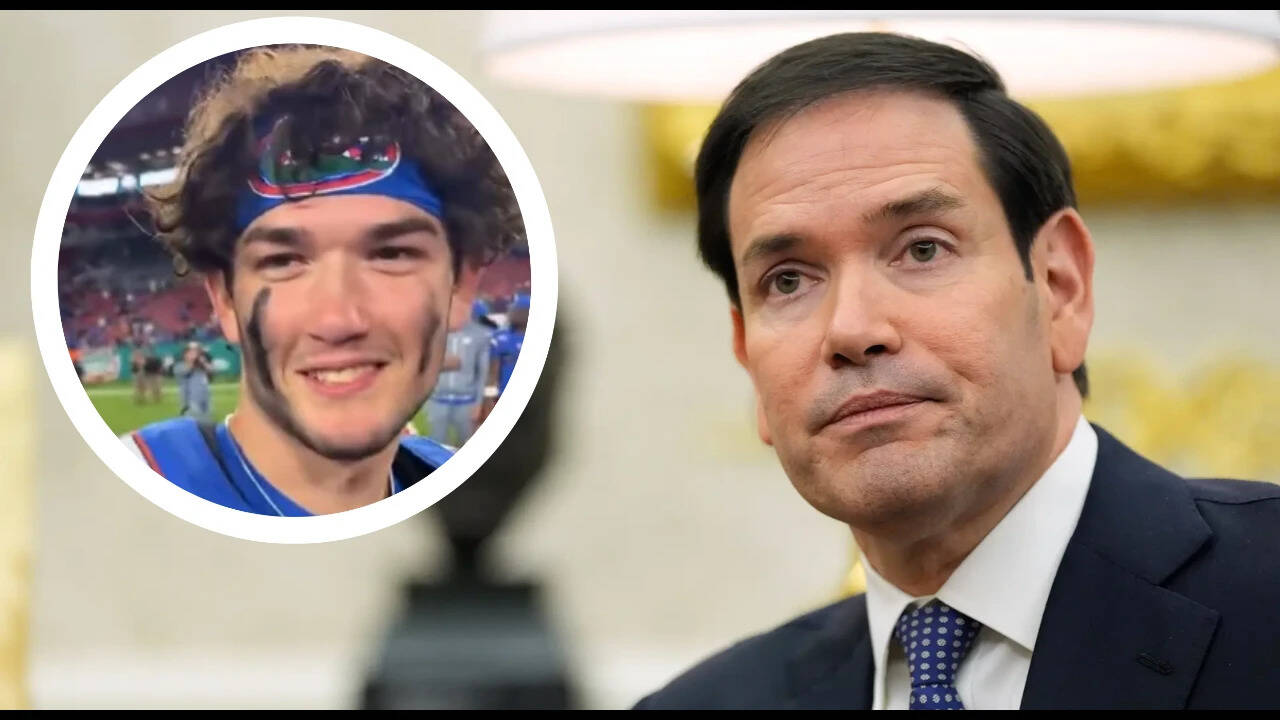
Marco Rubio's travel has become a test case for how senior officials balance security requirements against the appearance of personal privilege. According to a Washington Post investigation reported by the Times of India, the US secretary of state made 23 trips to Gainesville, Florida, aboard military aircraft, 15 of which the newspaper classified as personal journeys. The purpose, the report says, was to watch his son Anthony play college football for the Florida Gators. Using published Department of Defense hourly operating rates, the Post estimated the flights cost taxpayers more than $1.2 million.
The detail that has drawn most attention is the mismatch between the travel and the playing time. Anthony Rubio, a senior and a walk-on running back, has appeared in only four competitive games across four years, including two this season, according to ESPN statistics cited in the report. He has recorded 14 carries for 75 yards and one touchdown. Rubio attended at least 10 University of Florida games over the past two seasons, five of them during the current campaign, the Post found. On November 7 he arrived in Gainesville on an Air Force C-37 and watched the Gators lose 23-7 to Oklahoma; his son did not play.
The security argument is not trivial. As secretary of state, Rubio is required to use military aircraft to maintain access to secure communications and to comply with continuity-of-government protocols, arrangements that also apply to the defence secretary and the directors of the FBI and CIA. Dylan Johnson, an assistant secretary of state, made this case in a post on X, calling comparisons with earlier controversies "moronic" and noting that Pete Buttigieg, the former transportation secretary, was not a required user of military aircraft. Johnson said Rubio would reimburse the government for all personal travel and would continue to attend his family's events.
The reimbursement rules are where the ethical friction lies. Officials travelling on military aircraft for personal reasons must repay the equivalent of an economy-class commercial ticket, a sum far below the actual operating cost. Neither Rubio nor the State Department disclosed how much he had repaid, the Post reported. Cynthia Brown of the watchdog Citizens for Responsibility and Ethics in Washington told the newspaper the travel appeared "more of an optics issue than a violation", while arguing that its frequency deserved scrutiny. Rubio, for his part, said he has and will continue to try to attend events important to him personally and to his family.
The story has also revived Rubio's own past criticism. In 2023, as a Republican senator, he called for an investigation into Buttigieg's use of government jets, saying taxpayers deserved assurances their money was not wasted; the Transportation Department's inspector general later cleared Buttigieg, after reviewing eight trips costing $59,000 in total. What remains unconfirmed is the precise reimbursement figure, the full breakdown of which journeys were designated personal, and whether any formal review will follow. The Post's cost estimate rests on published hourly rates rather than disclosed invoices. Until those figures are released, the dispute turns on judgement about frequency and appearance rather than on any established breach of the rules.