What the interview does establish is that a senior Reform figure now concedes, on the record, that his party has lost ground to Labour and faces a fight to hold the right.
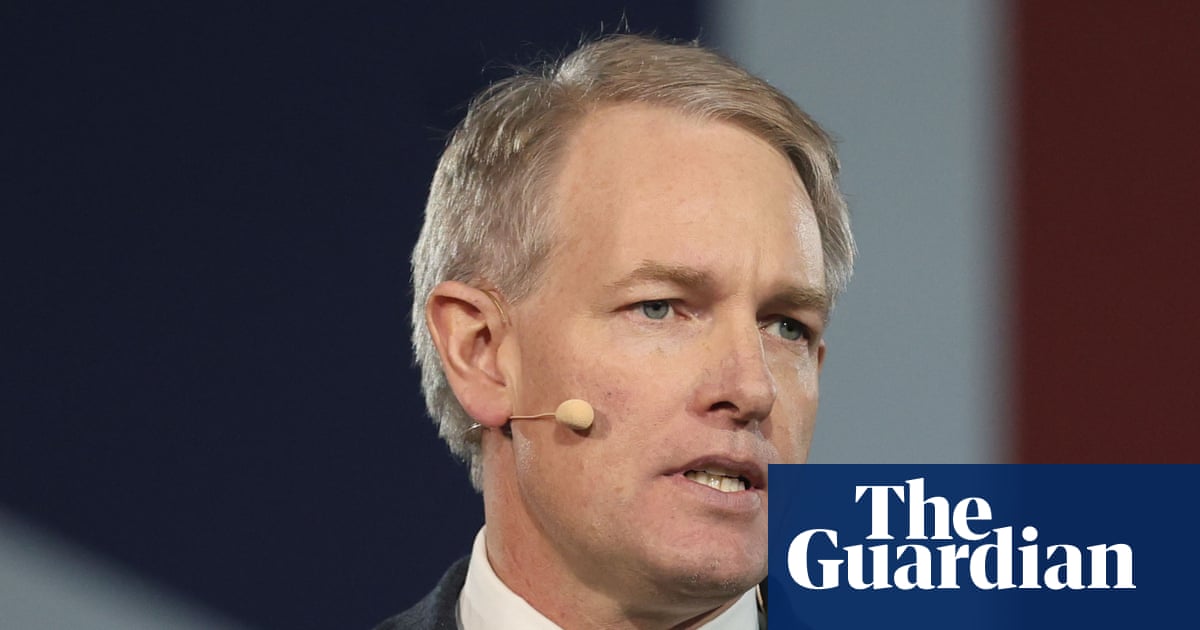
Reform UK has been losing support to Labour after what its own MP Danny Kruger called "a very difficult year", according to The Guardian. Kruger, who defected to Nigel Farage's party just over twelve months ago and has been tasked with preparing it for government, made the admission in an interview with Sky News on Sunday morning. He denied regretting his move from the Conservatives, even as recent polling indicated a revival under Kemi Badenoch.
The concession carries weight because it comes from a figure charged with presenting Reform as a party of government rather than protest. Kruger told Sky News that Labour had replaced a deeply unpopular leader with one who "looks more plausible", referring to Andy Burnham, and that the left was consequently more united. "Labour have also taken a few points back in the polls from us, as it were, so we have come down a bit," he said. "We have also had a very difficult year."
That year has been marked by more than polling. Reform is bracing for a report from the standards commissioner over Farage's failure to declare a £5m gift from the crypto billionaire Christopher Harborne, a story The Guardian revealed in May. The party has also been hit by undercover media investigations, which led to the departure of two key advisers to Farage and the loss of councillors. Its general secretary left the role last week, as questions over vetting failures and professionalisation continue to trouble the organisation.
The wider polling picture is mixed and should be treated with care. More in Common put the Conservatives on 25% earlier this month, the first time in eighteen months they had exceeded their vote share at the time of their record election defeat. A separate poll by Lord Ashcroft, the former Conservative deputy chair, put Labour on 31%, the Conservatives on 26% and Reform on 18%. Signs that the Tories were overtaking Reform reportedly led Burnham to instruct Labour to "rearm" against the Conservatives, amid concern inside government about a Badenoch-led recovery.
Kruger insisted Reform remained "on a trajectory towards victory", arguing Tory votes were "piled up in their heartlands" and that his party alone on the right could compete with Labour across Wales, Scotland and northern England. He dismissed scrutiny of candidates who "said very stupid things" as a second-order issue. Not everyone in Reform shares his confidence. Tim Montgomerie, a veteran Tory activist and former government adviser who defected to Reform, said on the same programme that he no longer believed Farage's party could emerge as the largest party at the next election. It could still, he said, become the main centre-right party in Britain.
What is not yet known is the timing and content of the standards commissioner's report, or how far the polling slide reflects a durable shift rather than a temporary squeeze. The figures cited are snapshots from individual pollsters, and the next election remains distant. What the interview does establish is that a senior Reform figure now concedes, on the record, that his party has lost ground to Labour and faces a fight to hold the right.