The emphasis on cluster warheads points to a tactical rather than strategic ambition
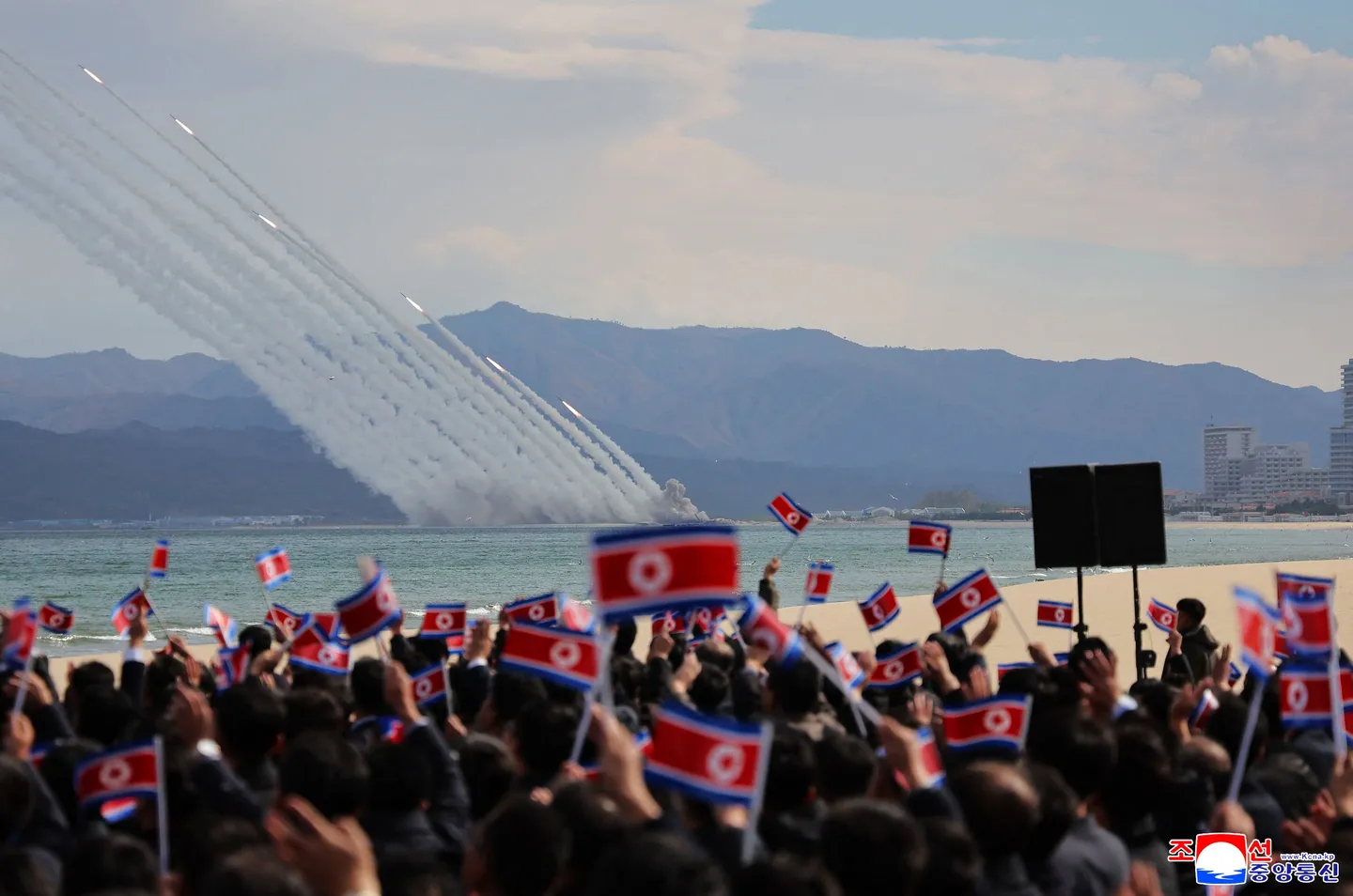
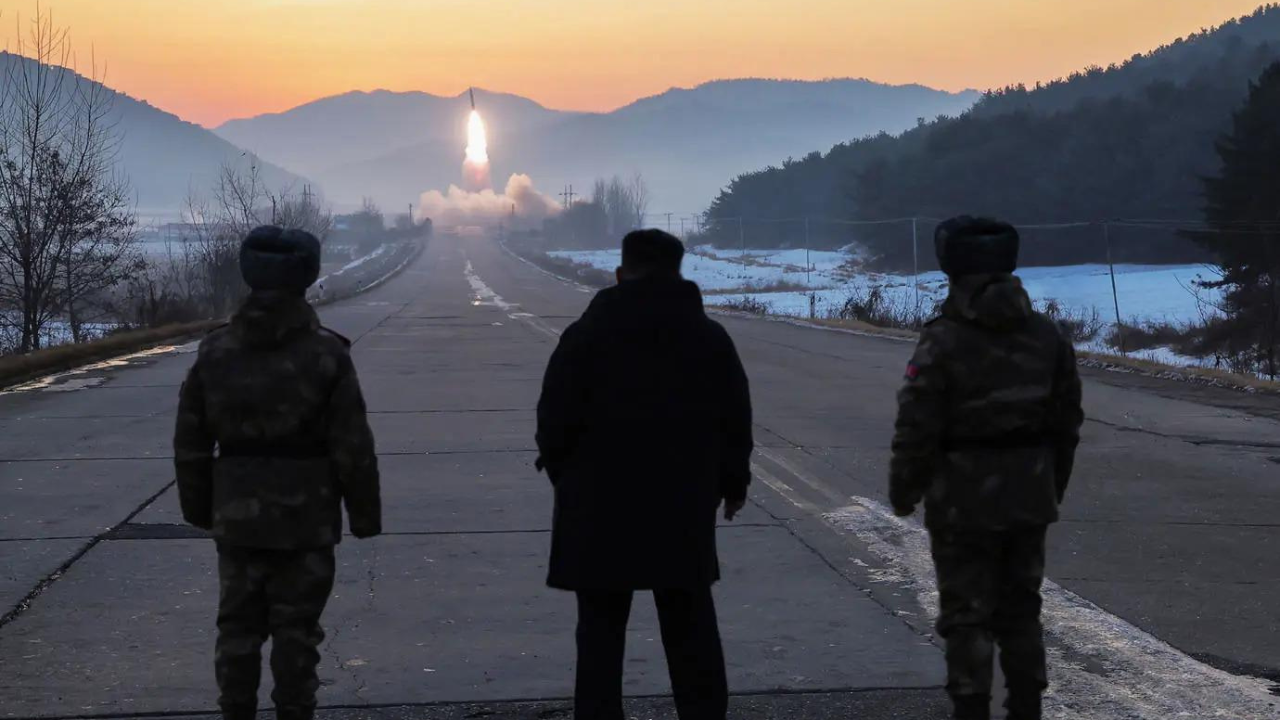
North Korea has carried out another test of a cluster-bomb warhead for tactical ballistic missiles, according to Yonhap News Agency, citing state media. The launch took place on Saturday and was conducted by the country's Missile Administration to examine how effectively the warhead could be used in combat and the extent of the damage it could inflict, the Korean Central News Agency reported.
KCNA said research institutes under the Missile Administration confirmed that the "Standard Type 2" cluster-bomb warhead was capable of turning into ashes a target area of 12 to 13 hectares at its highest-density power. The administration's general director said the warheads had been divided into four categories, each designed for a different purpose, and that units would be able to select and use all of the types according to operational aims and the specific features of targets within this year. Cluster munitions scatter multiple smaller explosive devices, known as submunitions, across a wide area, allowing several targets to be struck in a single attack.
South Korea's military said it had tracked the launch, which took place from an area near Chongju in the country's northwest, with the missile heading towards the Yellow Sea. The Joint Chiefs of Staff said Seoul and Washington had shared information closely and tracked relevant activity before the launch, maintaining a readiness posture, Yonhap reported. Shin Jong-woo, secretary-general of the Seoul-based Korea Defense and Security Forum, identified the missile as possibly belonging to the Hwasong-11 Ra series. North Korea announced a similar test in April, when it fired cluster-bomb warheads mounted on a Hwasong-11 Ra tactical ballistic missile, with Kim Jong-un and his daughter Ju-ae watching.
The timing matters. The test came as the foreign ministers of South Korea, the United States and Japan renewed their push for North Korea's complete denuclearisation at a trilateral meeting in Atlanta. Separately, US Secretary of State Marco Rubio said on Saturday that President Trump was still willing to meet Kim Jong-un, provided Pyongyang was prepared to discuss matters of concern to Washington and its allies. No meeting between the two leaders has been arranged so far, according to Yonhap.
The emphasis on cluster warheads points to a tactical rather than strategic ambition: weapons intended to blanket rear assembly areas, airfields or troop concentrations short of the demilitarised zone, and to do so in volume. The promise to distribute several variants to units by the end of the year suggests serial production rather than laboratory demonstration, though that claim rests on state media alone. What is not yet known is how many warheads have been produced, whether the four categories have all been tested, and what accuracy the Hwasong-11 Ra family achieves in practice. Seoul's account confirms a launch and its trajectory, not the warhead's performance.
The diplomatic track remains open but thin. An offer of a leaders' meeting, restated without a date, sits alongside a weapons programme that Pyongyang presents as steadily maturing. Each test raises the cost of any future negotiation and gives Washington and its allies another reason to tighten coordination, as the Atlanta meeting showed. Whether the cluster-warhead programme changes that calculus depends on details neither capital has disclosed.