That language points to a shift from demonstration to doctrine: a menu of warheads matched to particular missions rather than a single general-purpose round.
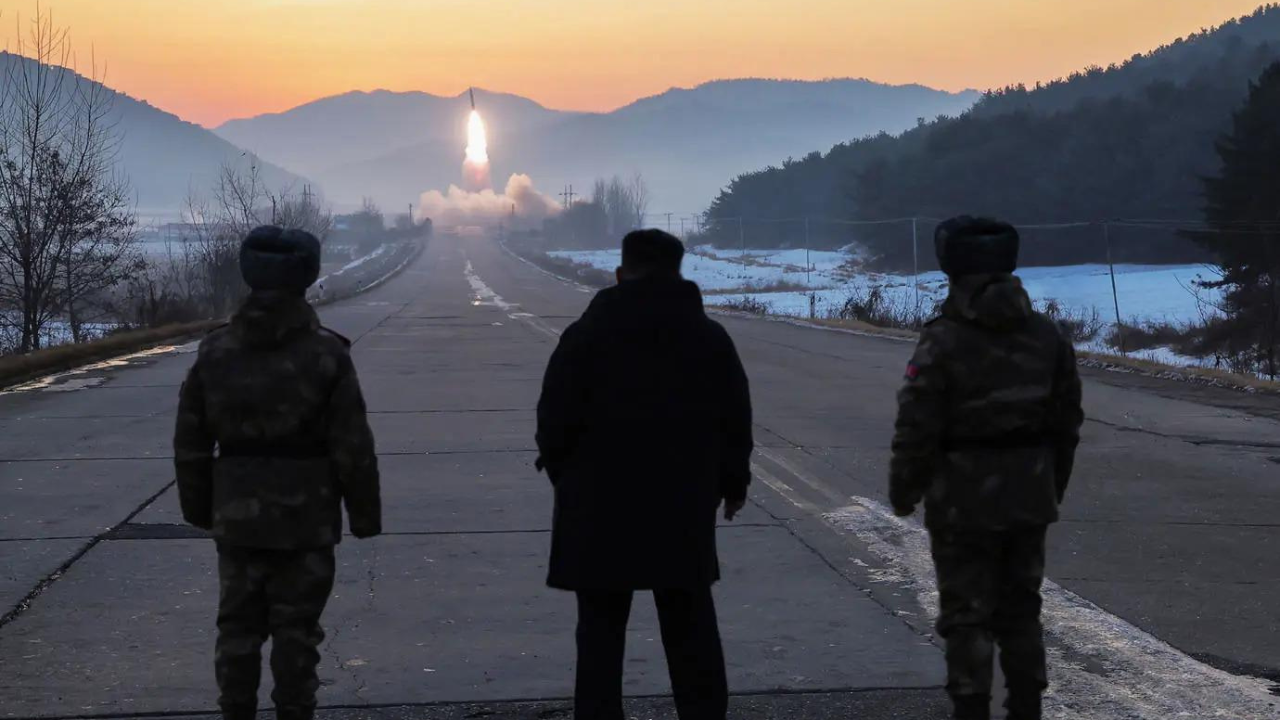
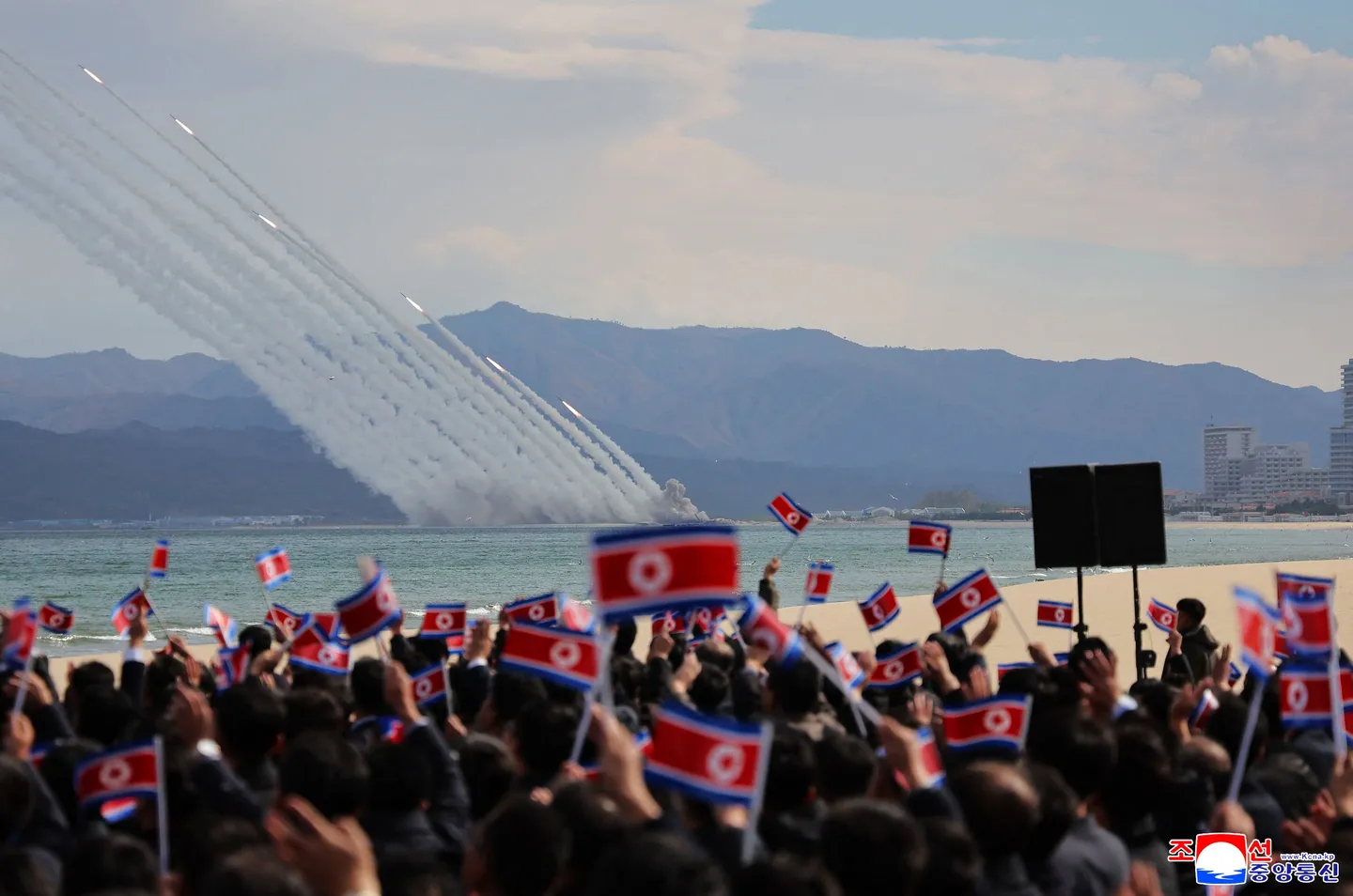
North Korea has tested a cluster warhead for a tactical ballistic missile, according to state media reports carried on Sunday. The Korean Central News Agency said the Missile Administration conducted the test on Saturday to assess the weapon's combat applicability and destructive power. The test was overseen by General Kim Jong-sik, a member of the Central Military Commission of the ruling Workers' Party of Korea and first deputy director of a department of the party's Central Committee.
The Ballistic Missile Systems Research Institute and the Warhead Research Institute said the test confirmed that the country's "Type-2 standard cluster warhead" could devastate a target area of about 12 to 13 hectares, or 29 to 32 acres, at what they described as an "ultra-high density." The Missile Administration characterised the test as part of regular scientific research aimed at increasing the destructive power of its weapons systems. No independent verification of the claimed performance has been offered, and the figures rest on North Korean statements alone.
The more consequential detail is the stated plan for production and distribution. The head of the Missile Administration said Pyongyang classifies its cluster warheads into four categories, including special-purpose and standard types, and intends to make all four available to military units by the end of this year. Units would then be able to select warheads according to operational objectives and the characteristics of targets. That language points to a shift from demonstration to doctrine: a menu of warheads matched to particular missions rather than a single general-purpose round.
Cluster munitions disperse multiple submunitions across a wide area, which makes them suited to striking dispersed or soft targets such as troop concentrations, airfields, radar sites and staging areas. For a tactical ballistic missile, the attraction is coverage rather than precision against a single hardened point. The claimed 12 to 13 hectare footprint, if accurate, would represent a substantial area effect for a short-range system. It is not known from the report what range the missile involved has, how many submunitions the warhead carries, or whether the test involved a live detonation of the full payload.
The timing matters. A pledge to field all four warhead categories within roughly two months of the test implies that production capacity, not just design, is being asserted. Whether that timetable is met cannot be confirmed from outside. Nor is it clear which units would receive the warheads first, or whether the special-purpose category refers to submunitions with functions beyond blast and fragmentation. Those gaps in the public record are significant, because the difference between a tested prototype and a deployed stockpile is the difference between a research programme and an operational threat.
For neighbouring states and for the wider non-proliferation picture, the development adds a further layer to an already crowded programme. Cluster warheads are not weapons of mass destruction in the usual sense, but they raise the density of fire a short-range missile force can bring to bear, and they complicate interception and civil defence planning. The report offers no indication of international reaction, and none should be assumed. What is established is the test, the claimed area effect and the stated intent to distribute four warhead types to units by the end of the year. What remains unconfirmed is almost everything about how far that intent has already been realised.