For a 71-year-old who had part of a lung removed a month ago, the thin air is not a backdrop but the story.
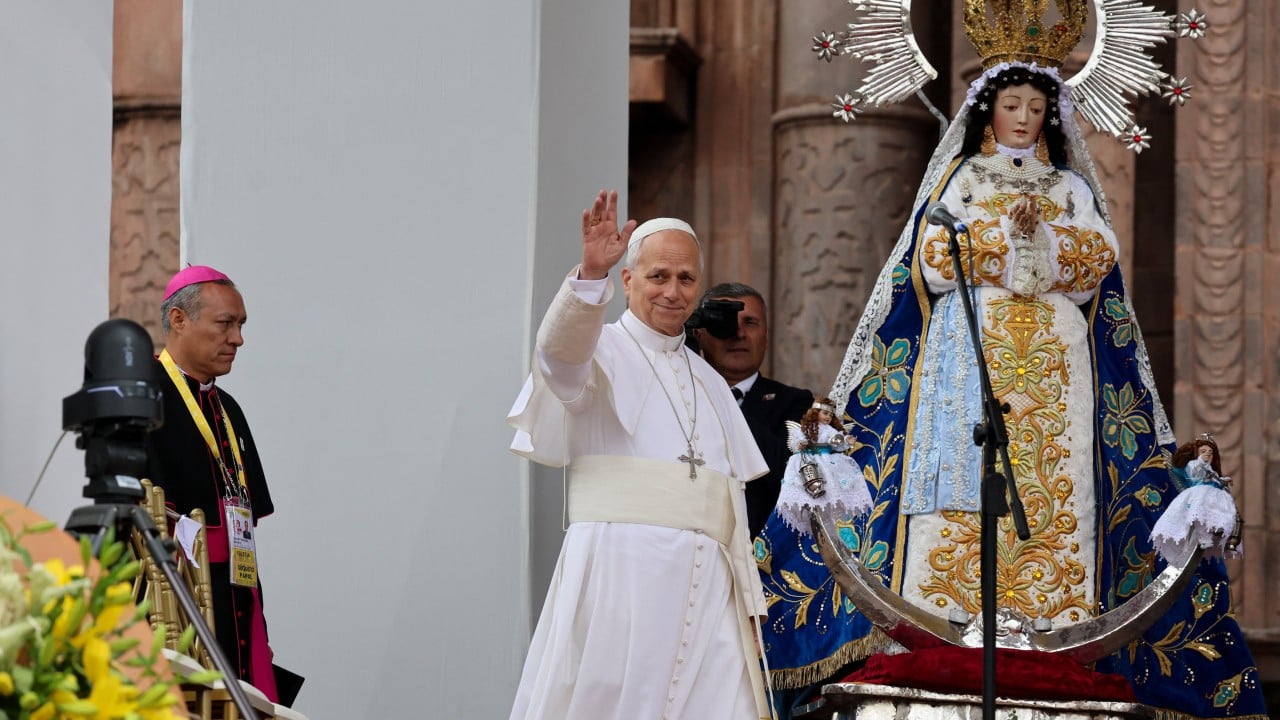
Pope Leo arrived in Cusco on Sunday for the final full day of his South America tour, according to the SCMP report, and in doing so submitted himself to the most demanding physical test since his lung cancer surgery. The ancient Inca capital sits more than 3,400 metres above sea level, a height the report notes is enough to leave many visitors breathless. For a 71-year-old who had part of a lung removed a month ago, the thin air is not a backdrop but the story.
The report describes children in brightly woven ponchos and embroidered skirts greeting the pontiff as he stepped off the plane. That detail matters less for ceremony than for what it implies about the pace of the visit: a public arrival, a reception, and the onward programme of a tour that has already carried him across the continent. Altitude of this order reduces the oxygen available with every breath, and a reduced lung capacity narrows the margin further. The schedule itself is the test.
The wider significance lies in what the visit signals about the pontiff's condition and his intentions. A leader who undertakes a demanding journey so soon after surgery is making an implicit statement about his fitness for office, and the Vatican's willingness to permit it suggests confidence in his recovery. For the Church in Latin America, the stop in Cusco places the pope among highland communities whose daily lives are shaped by the same altitude that now tests him.
Much remains unconfirmed. The material available is a headline and summary only, and it does not say how the pope travelled within the region, whether his programme was adjusted for the altitude, or how he appeared on arrival. There is no medical assessment, no account of any symptoms, and no indication of how the remainder of the tour will proceed. Readers should treat the visit as a reported event whose physical consequences are not yet known.