What is clear is that a pope who has made the poor central to his mission is arriving in a country where poverty has reached roughly a third of the population.
Pope Leo XIV has left Uruguay and is heading to Argentina for the second leg of his South American tour, according to SCMP World. The visit is expected to be the most politically delicate stop of the trip, given the Catholic Church's sharp criticisms of the austerity programme of libertarian President Javier Milei.
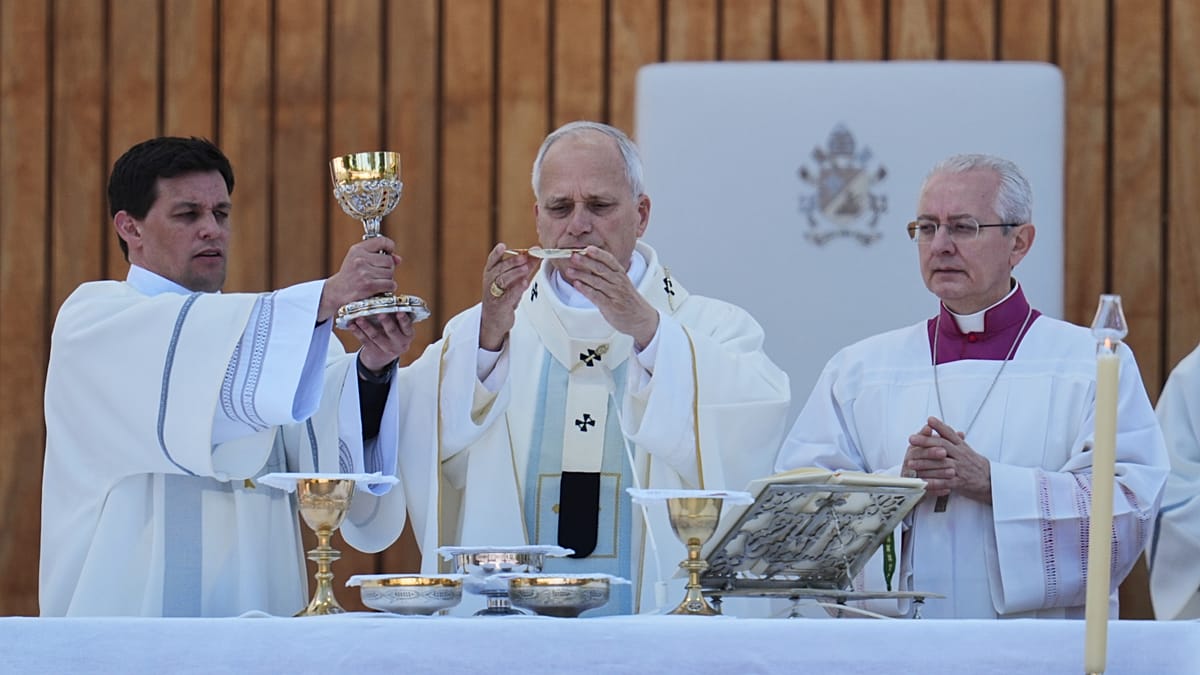
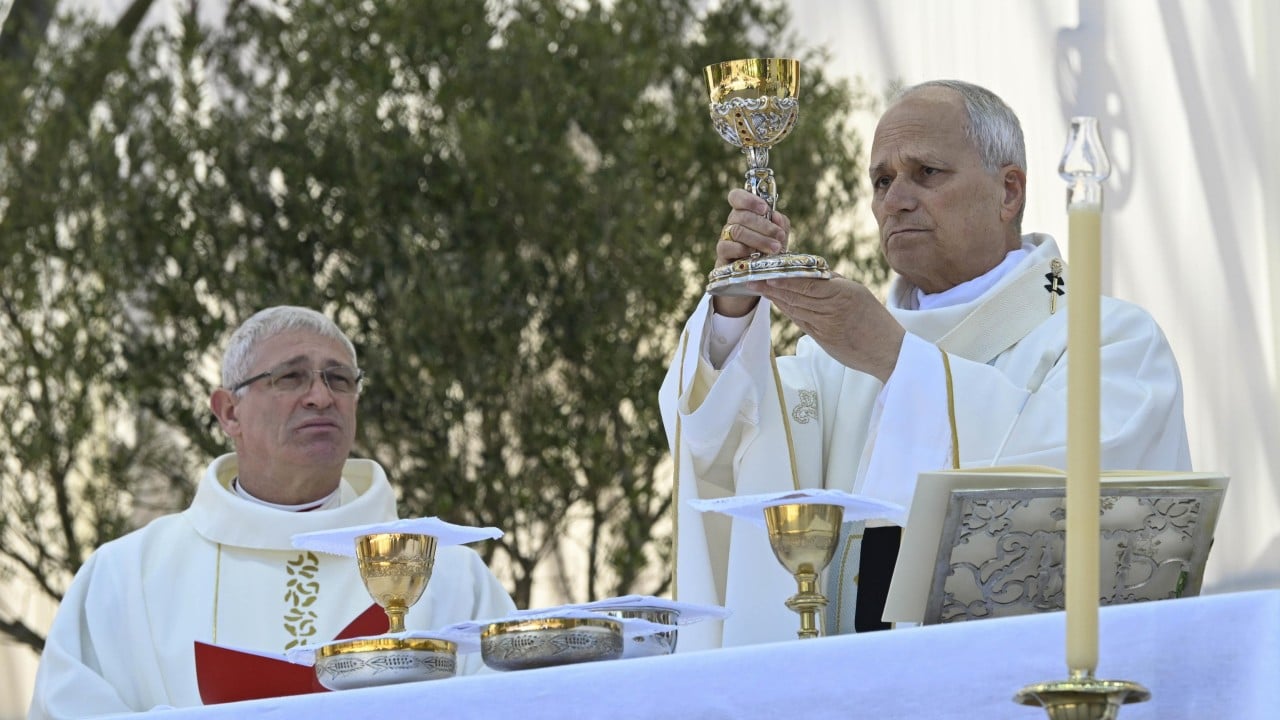
In Uruguay, Leo closed his visit by celebrating the feast of the Virgin of the Thirty-three in the city of Florida, north of Montevideo. According to tradition, 33 independence patriots carried the Guarani statue with them when independence from the Brazilian empire was declared in Florida on 25 August 1825. The Vatican estimated 50,000 people were present for the mass in a city of about 40,000, the report says. Leo became the first pope in nearly four decades to visit Uruguay, a country that has travelled a deeply secular, and at times anticlerical, route in recent decades. In his homily he thanked mothers and grandmothers who passed on the faith, acknowledging the pain of those whose children no longer pray or attend mass, and urging them not to despair.
The contrast with Buenos Aires is stark. The Church has criticised Milei's austerity measures, which have slashed social spending, and his embrace of artificial intelligence. Since taking office in December 2023, Milei has cut Argentina's healthcare budget by 48 per cent in real terms, the report notes, and planned cuts to the public university system sent students into the streets. According to official data, poverty reached 32.3 per cent of the population in the first half of 2026, representing about 15 million people. Milei has called social justice "an aberration" that amounts to stealing, and mocked as "huge stupidity" complaints that families squeezed by austerity cannot make it to the end of the month.
Leo, who took his name from the 19th-century pope whose encyclical on labour laid the foundation of Catholic social teaching, has made the poor and vulnerable a focus of his papacy, carrying on the legacy of his Argentine predecessor, Pope Francis. Posters reading "At last, a Lion who unites" have appeared across Buenos Aires, a jab playing on the pope's name in Spanish and the lion imagery Milei uses on social media. Milei's government insists the trip is purely religious. "The pope belongs to all Argentines. He doesn't belong to a political party or a political camp," Karina Milei, the president's sister and secretary general of the presidency, told reporters.
The visit also completes unfinished business left by Francis, the former archbishop of Buenos Aires who never returned home during his 12-year pontificate. David Lantigua of the University of Notre Dame's Kellogg Institute told the paper that much of the disagreement over Francis's legacy stems from his time as a slum priest advocating for the poorest, and that "we'll see that kind of tension with Leo". Argentina's state intelligence agency said on Saturday that a person had been arrested over death threats against Leo ahead of his arrival, following an order by a federal court in Campana, some 70km northwest of Buenos Aires.
What the visit will produce in concrete terms is not yet known. The report gives no indication of what Leo or Milei will say in their exchanges, whether the two will address the austerity programme directly, or what the Vatican expects from the trip beyond the pastoral. The arrest over the threats has not been elaborated on. What is clear is that a pope who has made the poor central to his mission is arriving in a country where poverty has reached roughly a third of the population, and where the government's programme is the subject of the Church's open criticism. The optics of the welcome ceremony will be scrutinised as closely as the homilies.