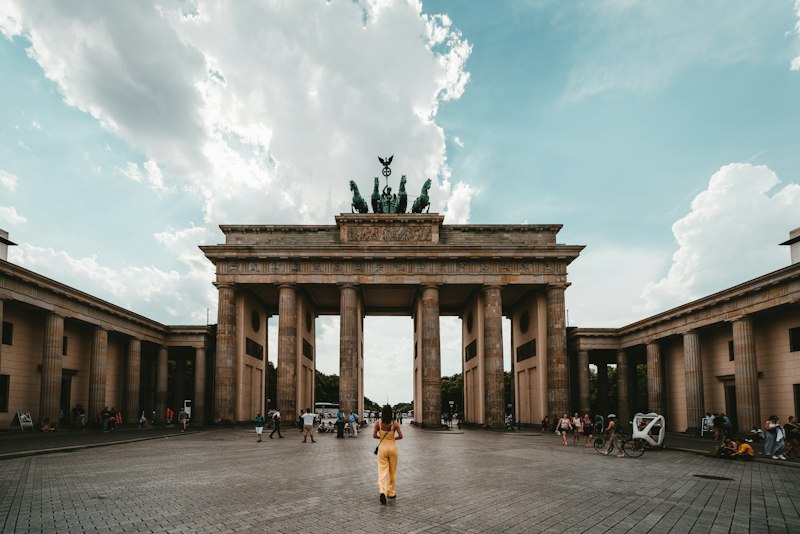
Péter Magyar’s ascent is not just a personal ambition; it symbolizes a growing discontent within Hungarian society toward Orbán's entrenched authority.
The political landscape in Hungary is witnessing a significant shift as Péter Magyar emerges as a formidable opponent to Prime Minister Viktor Orbán. Magyar's rise is not merely a personal ambition; it represents a growing discontent within Hungarian society toward the long-standing dominance of Orbán and his Fidesz party. This analysis seeks to explore Magyar’s political strategies, his ideological framework, and the broader implications of his challenge for Hungary's democracy and its relationship with the European Union.
Magyar, a former journalist and now a leading figure in the opposition, has become a voice for a generation increasingly frustrated with the erosion of democratic norms under Orbán’s administration. His approach combines a critique of the government’s autocratic tendencies with a forward-looking vision that resonates with younger voters disillusioned by the status quo. In this context, Magyar is not only positioning himself as a political alternative but also as a symbol of the potential for reform within Hungary.
Orbán’s tenure has been characterized by a consolidation of power that many observers argue has transformed Hungary into an illiberal democracy. As tensions rise between Budapest and Brussels over rule of law issues, Magyar’s challenge takes on added significance. His ability to galvanize support across various societal segments could present a united front against Orbán’s policies that many perceive as increasingly detached from democratic principles.
Strategically, Magyar’s campaign is also reflective of a broader trend in European politics, where populism and nationalism face rising opposition from progressive movements seeking to reclaim democratic governance. As Hungary heads toward the next electoral cycle, the implications of Magyar’s emergence extend beyond national borders, potentially influencing political dynamics in neighboring countries grappling with similar tensions. The question remains: can Péter Magyar effectively harness this momentum and translate it into meaningful political change, or will he ultimately be subdued by the entrenched power of Orbán?