This is the first COP where it is clear beyond reasonable doubt that the world will overshoot the 1.5-degree target.
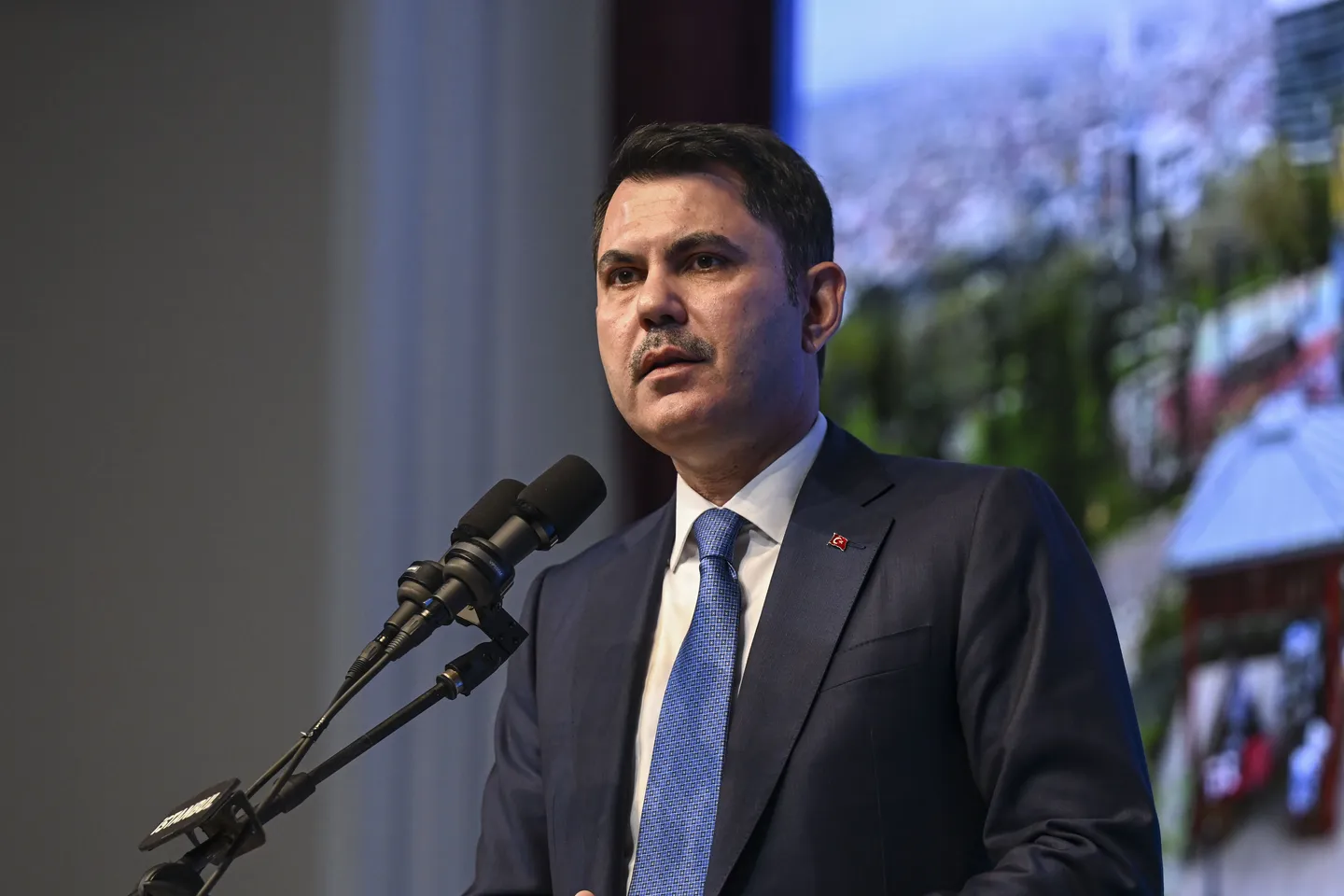
Türkiye's environment minister has acknowledged that the world will overshoot the 1.5-degree climate target, while insisting the goal will remain central to the COP31 summit his country is preparing to host. Murat Kurum, the summit's president-designate, said in comments published on the UN Climate Change website on Thursday that record-breaking temperatures were bringing devastation faster than expected and beyond many communities' capacity to cope.
"This is the first COP where it is clear beyond reasonable doubt that the world will overshoot the 1.5-degree target," Kurum said. "In Antalya, we must start to respond to the new realities of overshoot." He added that "we will not look away, and we will not lower our ambition," describing the 1.5-degree target as the summit's compass. The admission marks a shift in tone for a conference presidency: rather than presenting Paris-aligned warming as a live prospect, Kurum frames the task as managing a world that has already passed it.
On finance, Kurum pointed to the agreement reached in Baku to mobilise at least $300 billion annually for developing countries by 2035, arguing that existing pledges matter more than new ones. "We do not need new targets. We need to deliver on the ones we have, with developed countries taking the lead," he said. UN Climate Change Executive Secretary Simon Stiell struck a similar note, saying finance must reach people faster and with less red tape, and linking climate action to household costs and energy security amid fossil-fuel price pressures.
Electrification sits at the centre of the Antalya agenda. Kurum argued that the energy crisis had exposed the risks of dependence on imported energy, saying electrification protects communities from volatile global markets and cuts emissions. He also highlighted zero waste and methane reduction, alongside efforts to help cities and coastal communities withstand rising temperatures and sea levels. Australia's climate and energy minister, Chris Bowen, who will serve as COP31's president of negotiations, said the conference would focus on unlocking finance and investment, accelerating electrification and strengthening action on oceans. He conceded that consensus among nearly 200 countries would not be easy.
The conference runs at Antalya's Expo Center from November 9 to 20, with a leaders' summit on November 11 and 12. Türkiye holds the presidency while Australia leads negotiations, an unusual split arrangement. The Action Agenda launched in New York in September comprises 10 priority themes, six global targets and 11 initiatives, including a goal of raising electricity's share of global final energy consumption to 35 percent by 2035.
Stiell cautioned against expecting a single summit to resolve the crisis, saying no COP is a silver bullet but that each recent one has made essential progress. What remains unknown is how the overshoot framing will be received by vulnerable states, and whether delivery on the Baku finance figure will be reflected in national plans. The summit's outcomes on finance and electrification will be the measure of whether Antalya turns acknowledgement of overshoot into concrete action.