The significance lies in the geography.
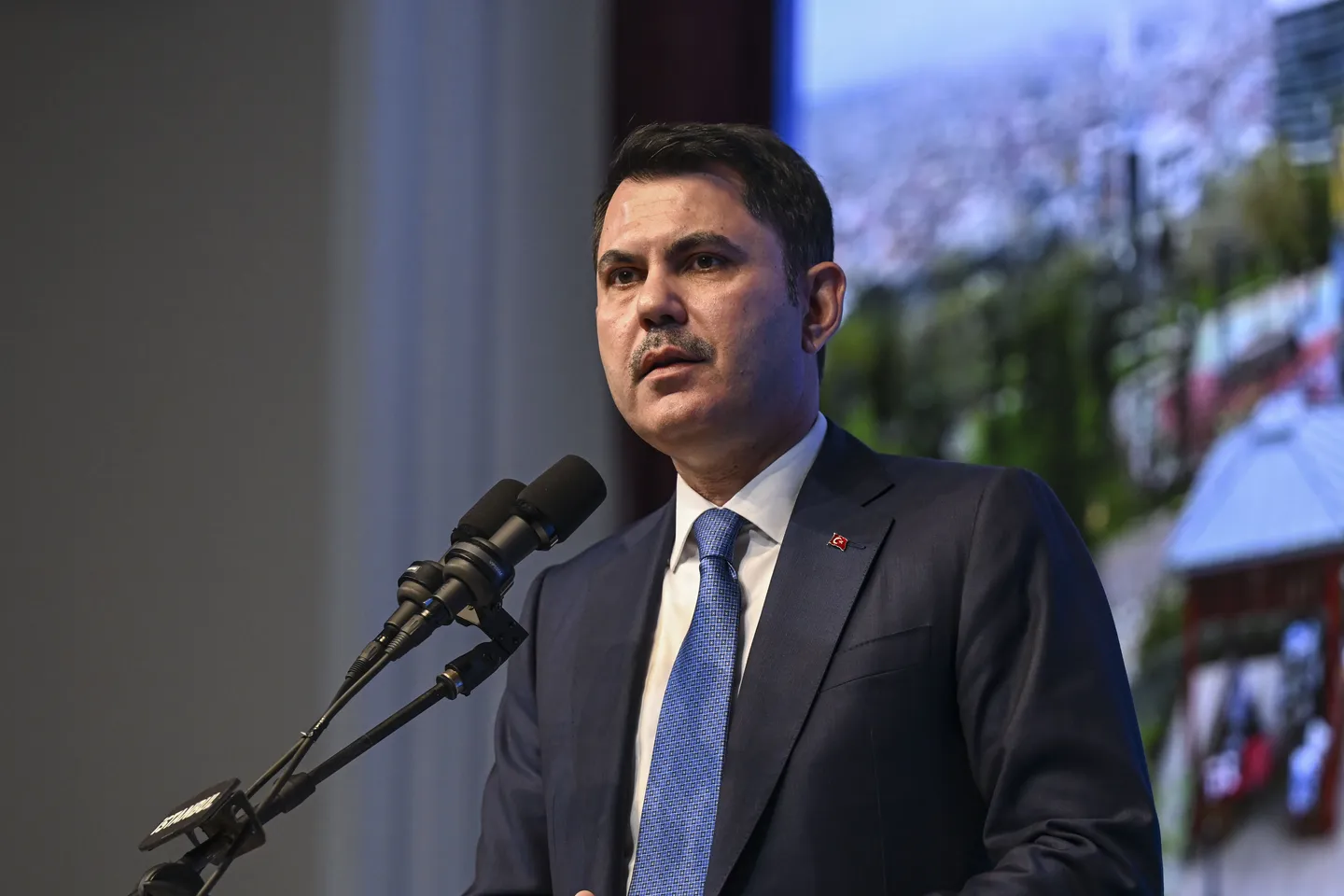
The head of Kazakhstan's state oil and gas company KazMunayGas, Askhat Khasenov, met the president of the Russian pipeline operator Transneft, Nikolay Tokarev, in Moscow to discuss cooperation on oil transportation and transit, according to a report by TASS citing the KMG press service. The meeting covered the prospects for cooperation in the sphere of oil transportation and transit, the press service said.
According to the same account, the KMG chief executive described three routes as strategically significant: the Caspian Pipeline Consortium system, the Atyrau–Samara route and the Makhachkala–Novorossiysk route. The press service said these directions play an important role in the export of Kazakh hydrocarbons and have proved their reliability, efficiency and economic feasibility over a long period of service.
The two sides confirmed their readiness to develop what the press service called a mutually beneficial partnership in key areas aimed at strengthening the transit potential of Kazakhstan and Russia. That language is broad, and the report gives no figures, no timetable and no indication of new volumes or investment commitments. It is not yet known whether the talks produced any concrete agreement, nor what specific projects were under consideration.
The significance lies in the geography. All three routes named by Khasenov carry Kazakh crude through or towards Russian territory and infrastructure, which means Astana's export options remain closely tied to its northern neighbour even as Kazakhstan has sought to widen its range of outlets. The Atyrau–Samara pipeline feeds into the Russian system, while the Caspian Pipeline Consortium carries Kazakh oil to the Russian Black Sea coast at Novorossiysk. The Makhachkala–Novorossiysk route runs through Dagestan.
For Moscow, the meeting is a reminder that Transneft's system remains a central artery for Kazakh exports, giving Russia a continuing role in the transit of a neighbouring producer's hydrocarbons. For Astana, the public emphasis on reliability and economic feasibility reads as a restatement of existing arrangements rather than an announcement of new ones. The report does not say who initiated the meeting, whether transit tariffs were discussed, or how the talks relate to Kazakhstan's other export efforts, and none of these points should be assumed.
What can be said is that the two companies chose to publicise the encounter and to frame it in terms of long-term partnership. Whether that translates into expanded transit volumes or new contractual terms is not established by the material available. Readers should treat the meeting as a signal of continued engagement rather than as evidence of a shift in the region's oil logistics.